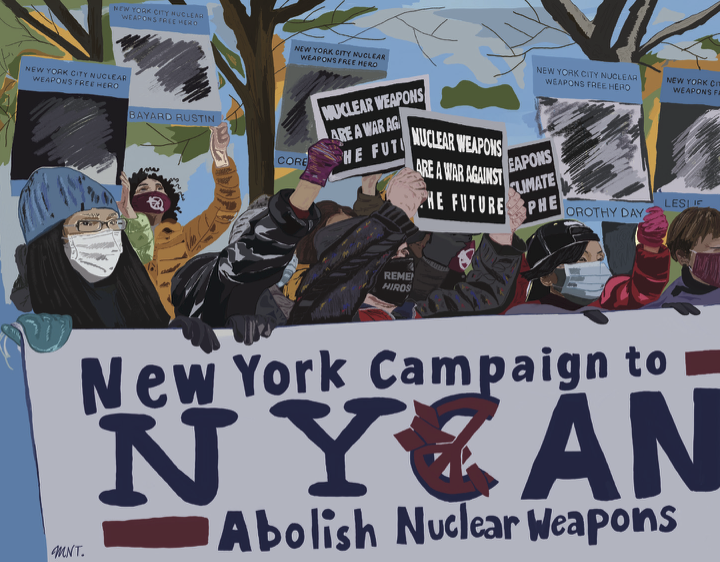
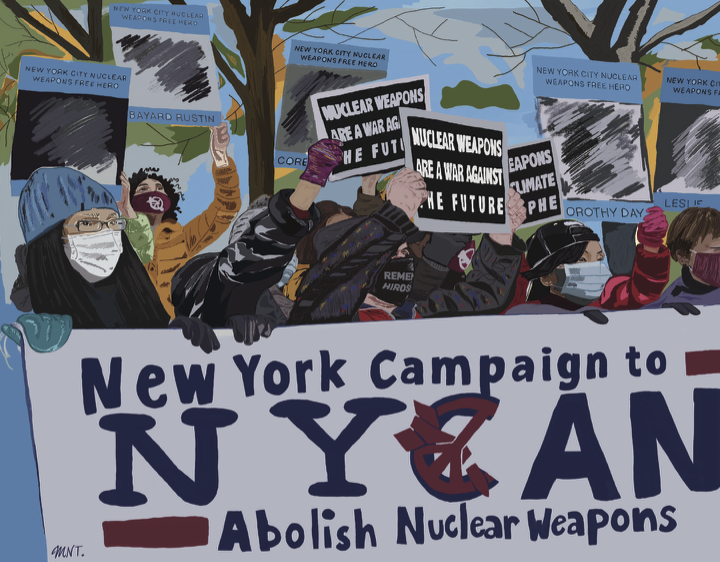
Artwork by Mayana Nell Torres
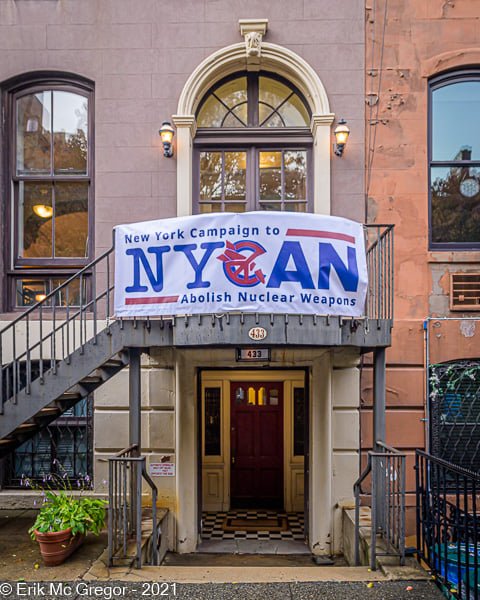
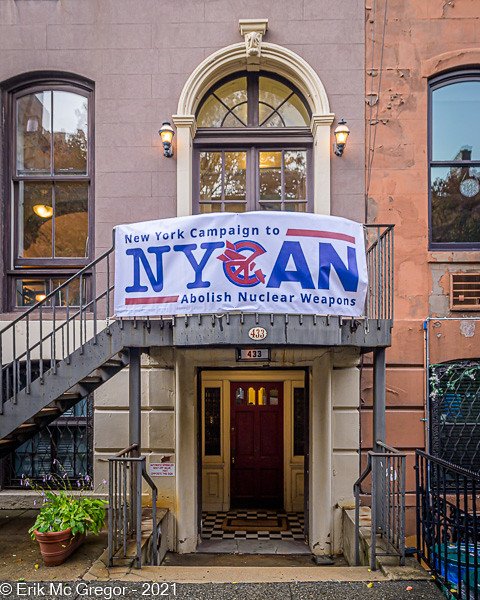
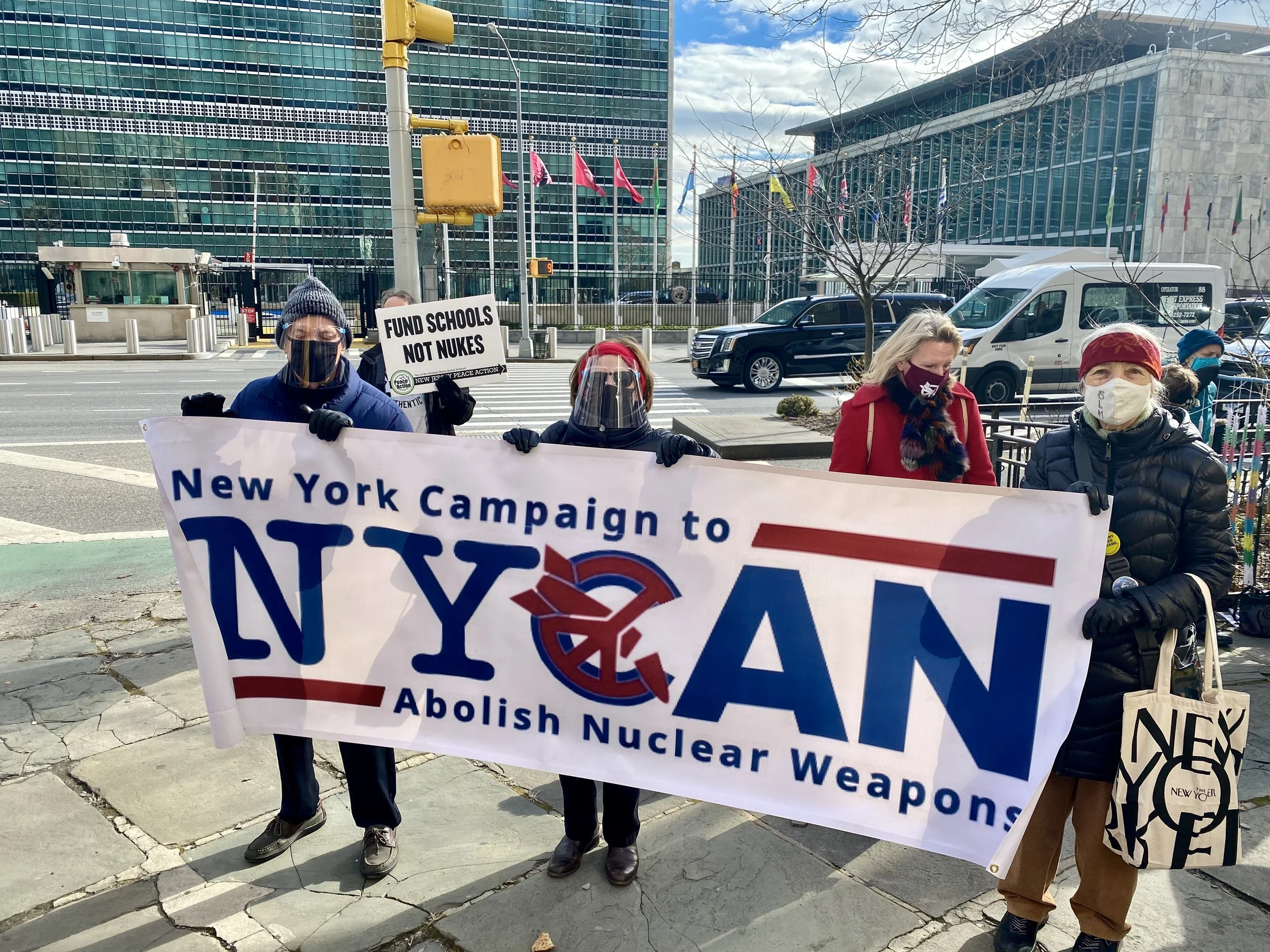
As New York City-based partners of the Nobel Peace Prize-winning International Campaign to Abolish Nuclear Weapons (ICAN), we advocate for nuclear disarmament in NYC and beyond.
We at the New York Campaign to Abolish Nuclear Weapons (NYCAN) are thrilled to share the news that two critical pieces of nuclear disarmament legislation have been passed by the New York City Council!
RES 976 calls on the NYC Comptroller to initiate divestment from all nuclear weapon producers.
INT 1621 sets up a committee to educate the public about nuclear disarmament and to reaffirm New York City as a nuclear-weapons-free zone and investigate sites where remediation may be necessary due to New York City’s Manhattan Project legacy, educate the public on nuclear disarmament, and advise NYC Council on these and related matters.
We are delighted that with this legislation New York City has also joined the ICAN Cities Appeal - the largest city in the growing list of cities ready to denounce nuclear weapons forever.
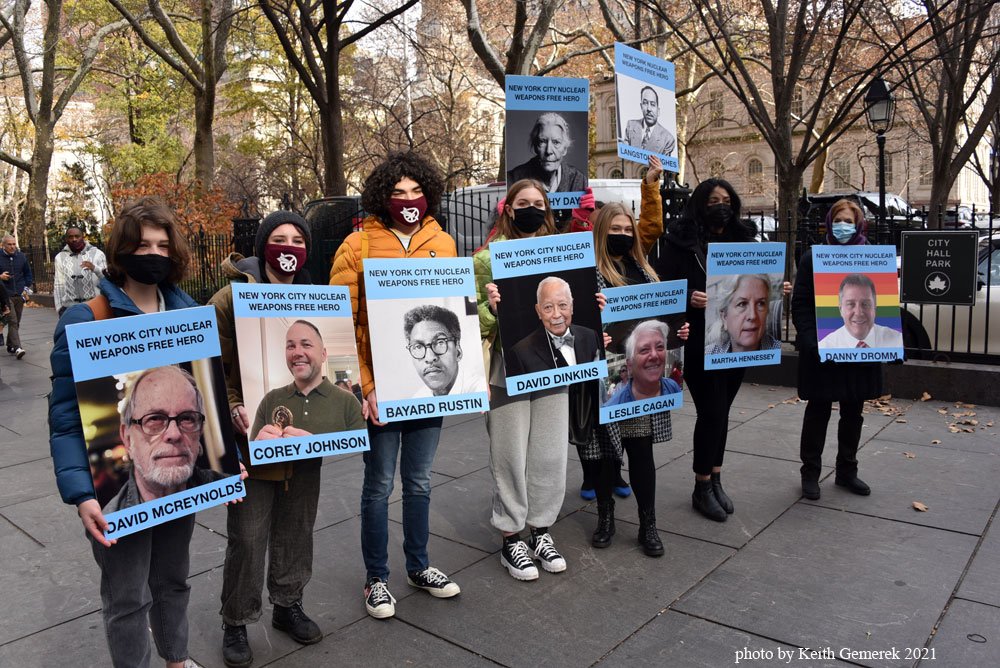
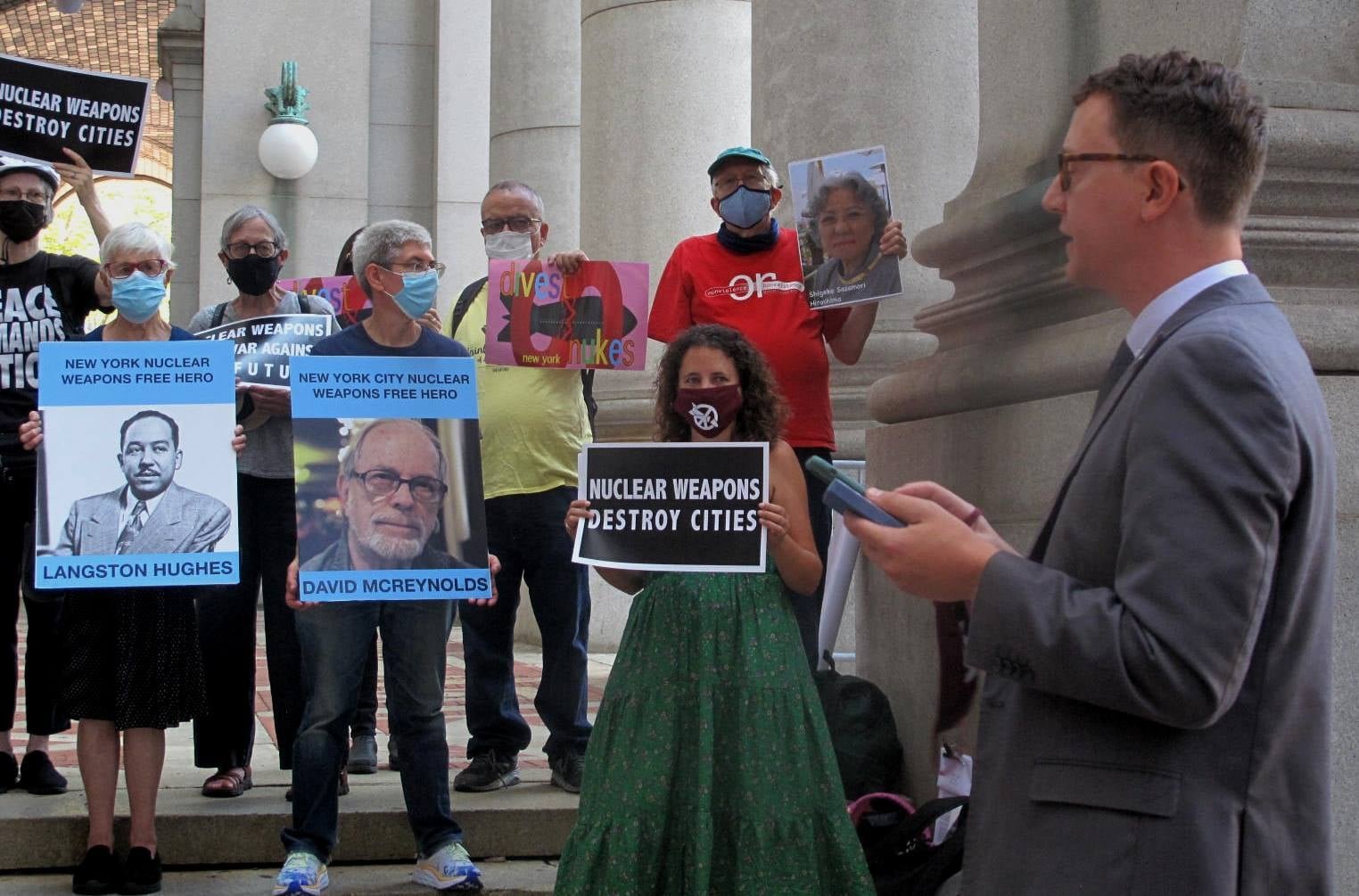
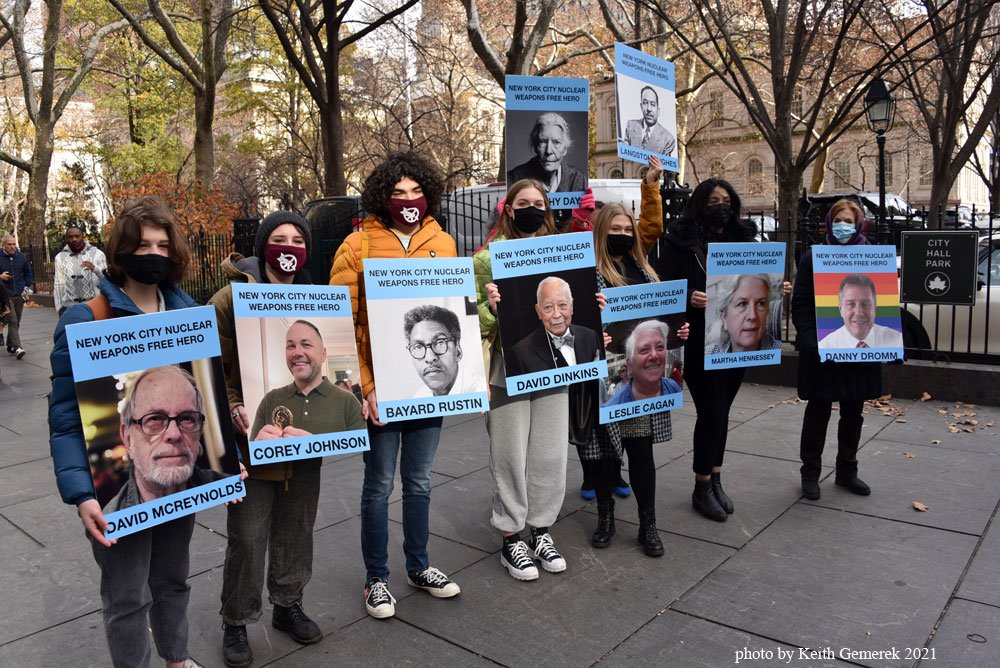
This work has been built on the courage, love, dedication, and grit of New York City-based activists and expands upon a legacy of New Yorkers who have dedicated their lives to abolishing nuclear weapons including Bayard Rustin, Dorothy Day, David Dinkins, David McReynolds, Martha Hennesy, Leslie Cagan, Langston Hughes, among many others. This work is the result of coalitions that have been built with other activists such as Rise and Resist, Gays Against Guns, Roses to Missions, and New York State Peace Action. We have been mentored by the wisdom of stalwart activists from legendary groups like ACT-UP and the 1982 Central Park action where over one million people marched for nuclear disarmament.
This legislation has been spearheaded by the political vision of the bills’ lead sponsor Former Finance Chair, Council Member Danny Dromm together with Council Member Ben Kallos and Council Member Helen Rosenthal.
New York City’s Nuclear Legacy
New York City was central to the development of the world’s first nuclear weapons. In 1939, at Pupin Hall, Columbia University, the United States’ first successful fission experiments were conducted. Throughout the aptly named Manhattan Project, NYC provided scientific and technical leadership as well as material support for the bomb project; such activities included:
Two-thirds of the Manhattan Project’s supply of uranium was stored in Port Richmond, Staten Island, at the Archer Daniels Midland Company Warehouse.
The Wolff-Alport Chemical Corp stored around 3.75 tons of thorium sludge in Ridgewood, Queens, now a Superfund site that includes a deli and an auto body shop.
Some 150 tons of uranium materials were stored at the Baker and Williams Warehouses on West 20th Street in Chelsea, in what is now the neighborhood that hosts the High Line, many art galleries and restaurants. As recent as 1989, a survey for the Department of Energy found radioactive contamination up to 38 times that which is federally allowed. It may be necessary to revisit this site for further remediation.
Since the Manhattan Project developed the atomic bombs that obliterated the cities of Hiroshima and Nagasaki, New York City continued to be central to nuclear weapons policy, as witnessed by the following.
The nuclear-powered merchant ship NS Savannah visited NYC in 1964 on its “maiden transatlantic voyage.” Savannah’s “output” exceeded its storage capacity and during its first year of operation released more than 115,000 gallons of radioactive waste at sea.
Starting in 1974, New York City was ringed by an archipelago of nuclear missile bases armed with 180 warheads. Two were within the city limits on Hart Island and at Fort Tilden. Nike Hercules anti-ballistic missiles with warheads of 3, 20 or 30 kilotons (the yield of the Hiroshima bomb was 15 kilotons) were based right next to the public beaches at Jacob Riis Park.
In 1985, the Navy announced it would build a “nuclear weapons capable” homeport on Staten Island to base the USS Iowa, retrofitted to carry 32 Tomahawk cruise missiles, becoming the most lethal shore-bombardment vessel in the world. Activists called it “a holocaust machine.” The homeport became a campaign issue that helped David Dinkins, New York City’s first African American Mayor, defeat incumbent Ed Koch. In 1988, an explosion on the Iowa killed 32 sailors. Mayor Dinkins vetoed the city’s contribution to the port and it was closed in 1994.
Nuclear missiles and the nuclear-capable Navy base once stationed in NYC have been decommissioned. Various locations on Staten Island, in Queens, and possibly in Manhattan, remain contaminated by radioactive materials associated with early nuclear weapon activities. Sites that may require further remediation are located disproportionately in marginalized communities of color.
The year 2022 marks the 40th anniversary of the March to End the Nuclear Arms Race, when in 1982, over 1 million people gathered in Central Park to demand the total elimination of nuclear weapons. The imperative to act for nuclear disarmament is more essential than ever. For the sake of humanity and our shared future, we believe a world without nuclear weapons is not only possible, but it is out only hope for survival.
Yours for a nuclear-free world,
Matthew Bolton, Linda Chapman, Christian Ciobanu, Robert Croonquist, Brendan Fay, Rebecca Irby, Seth Shelden, Alice Slater, Kathleen Sullivan, Mitchie Takeuchi, Emily Welty
This is our story
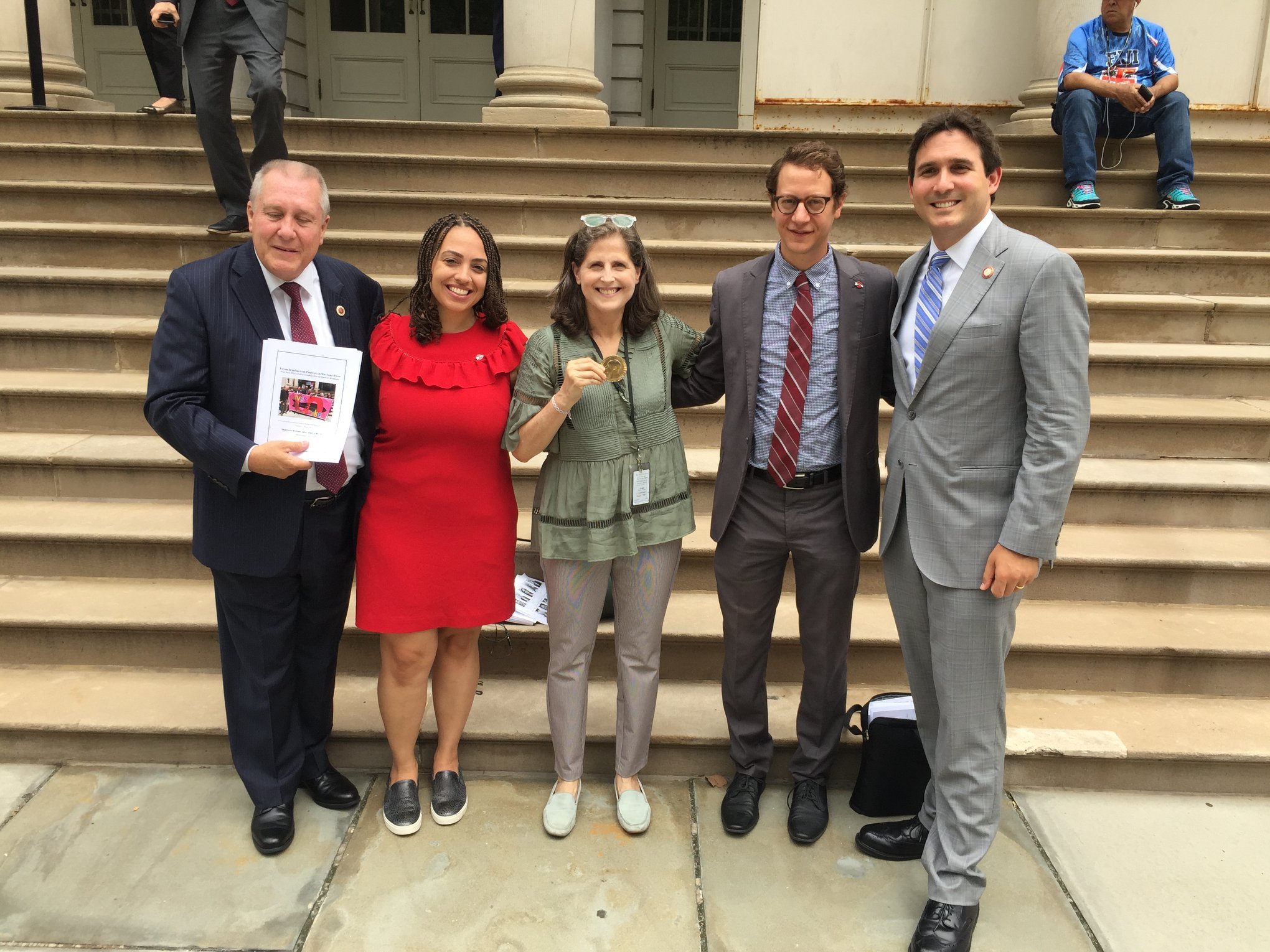
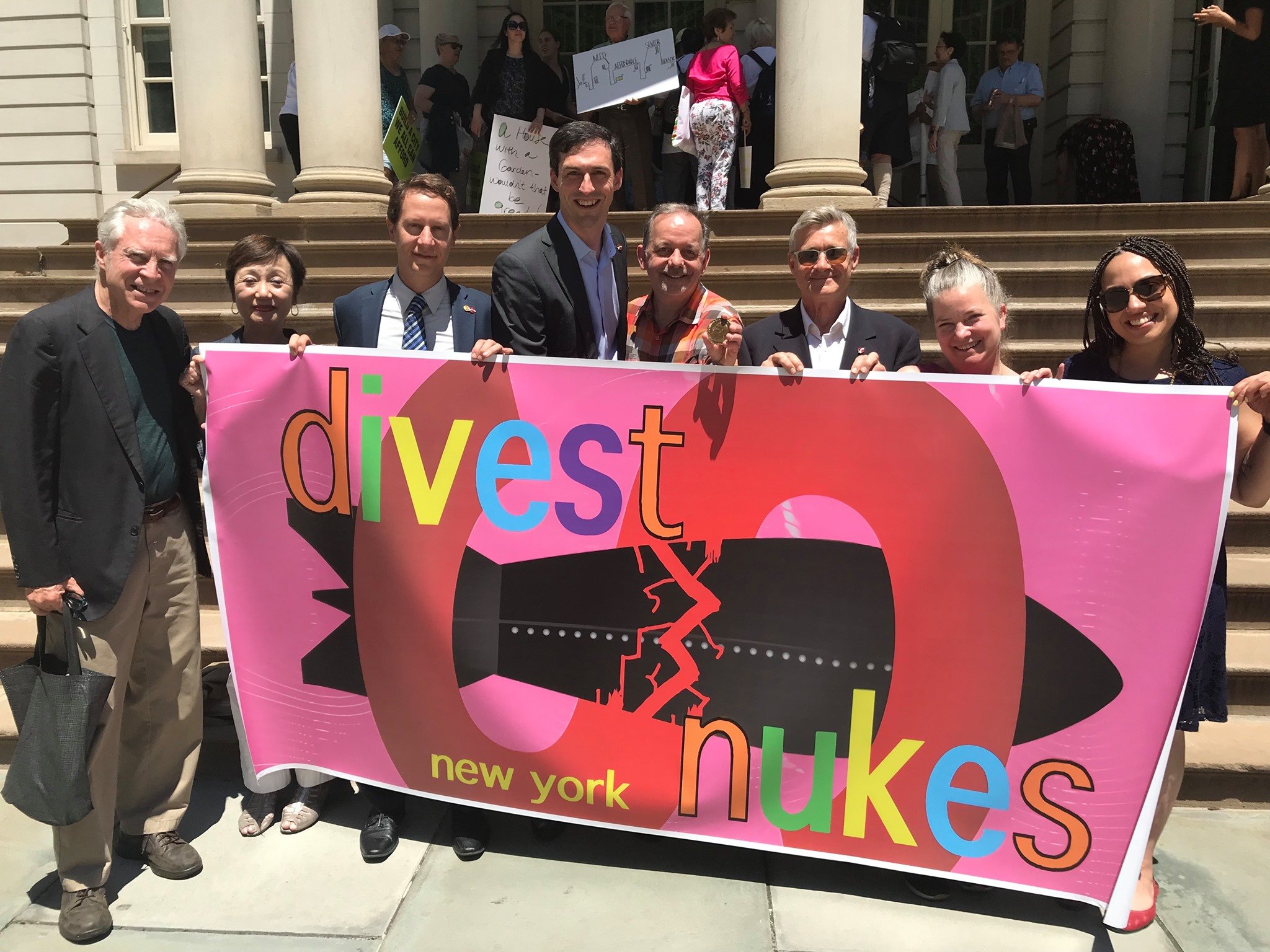
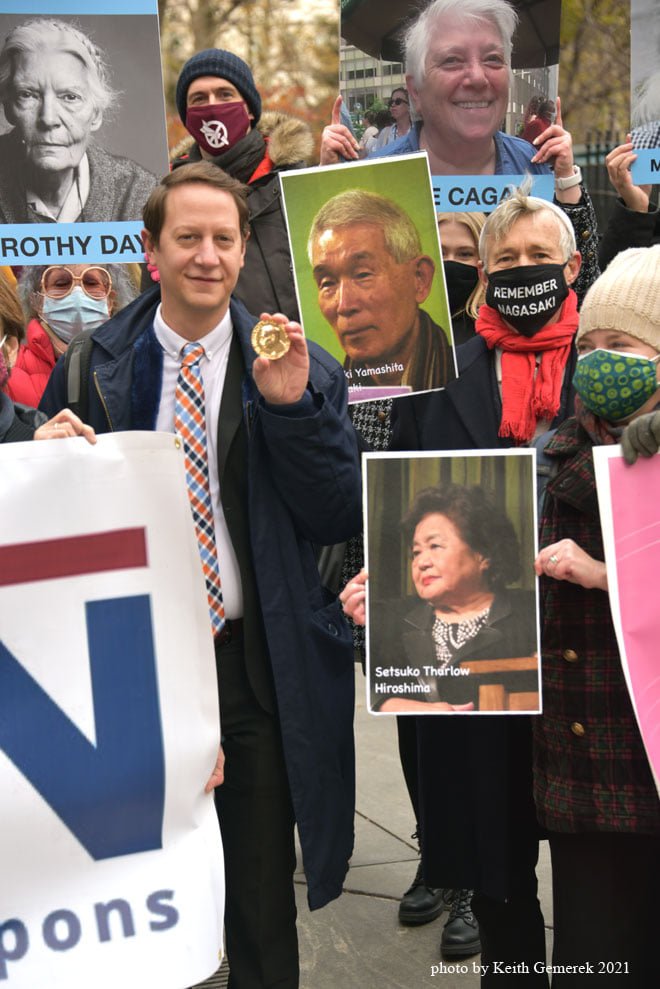
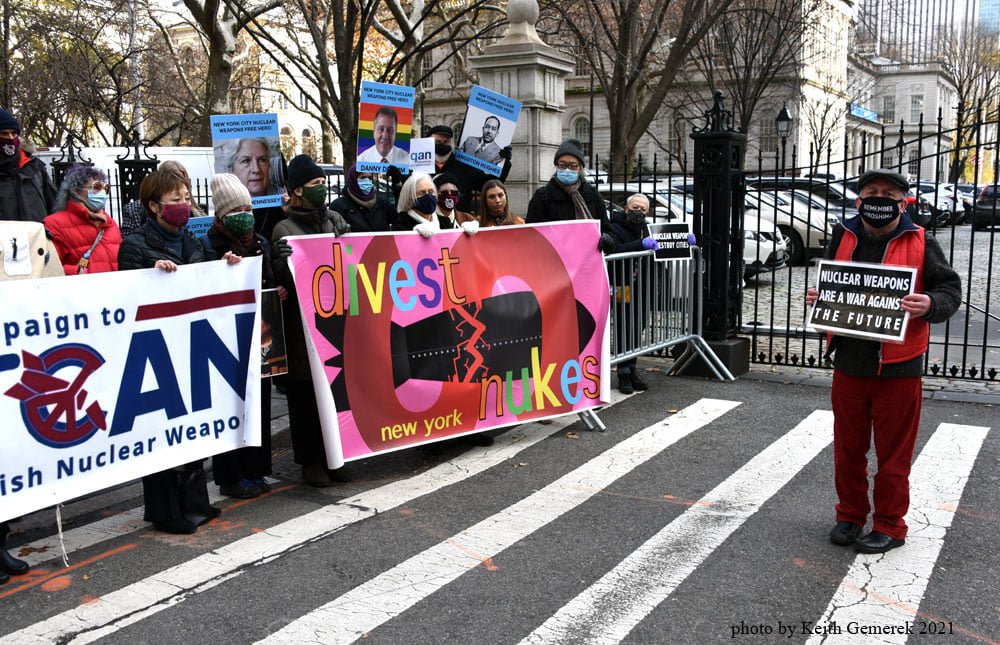
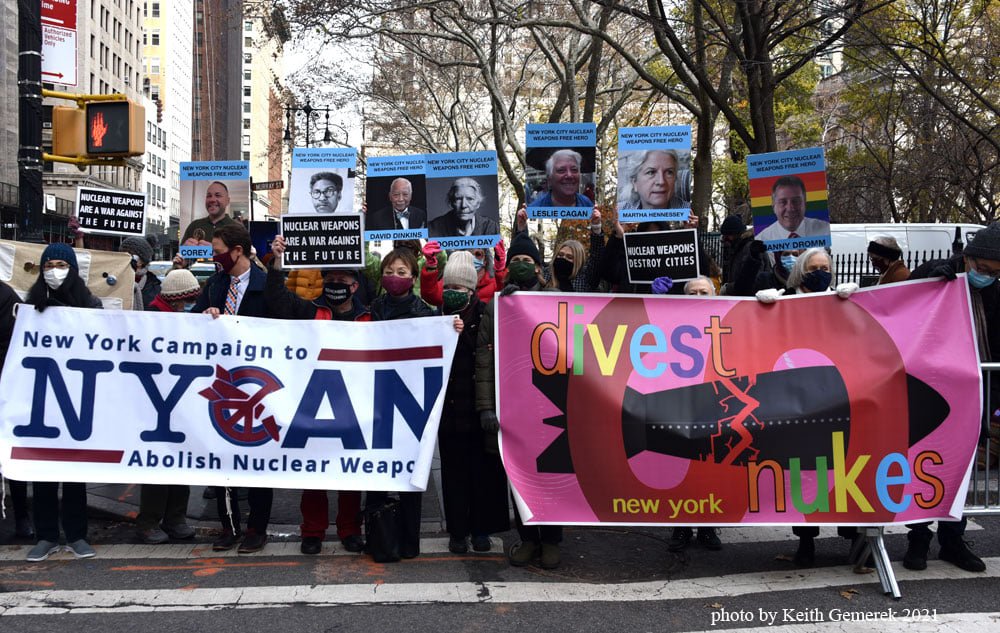
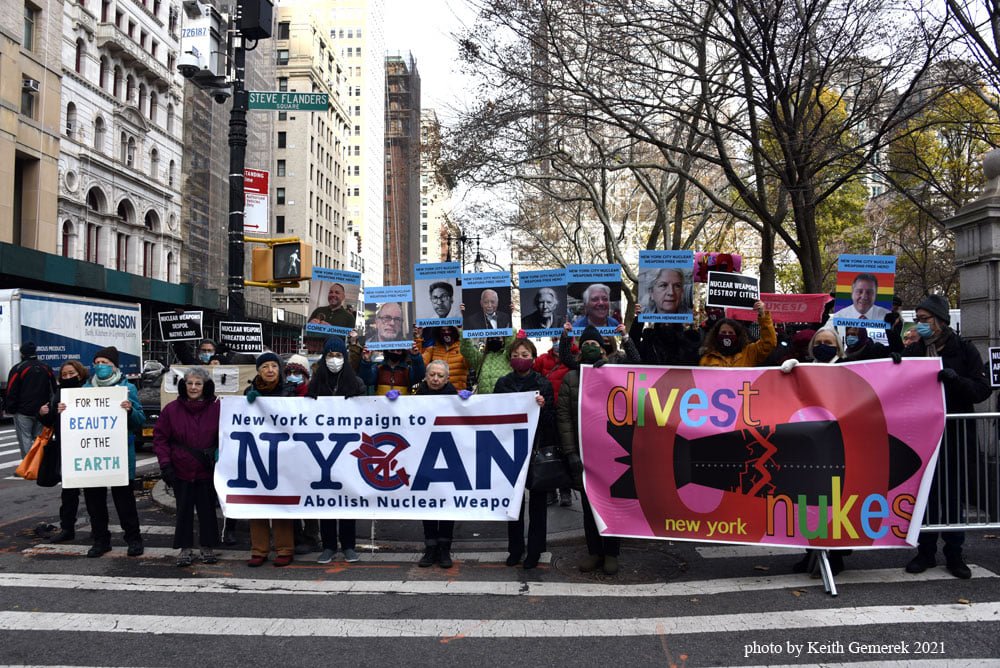
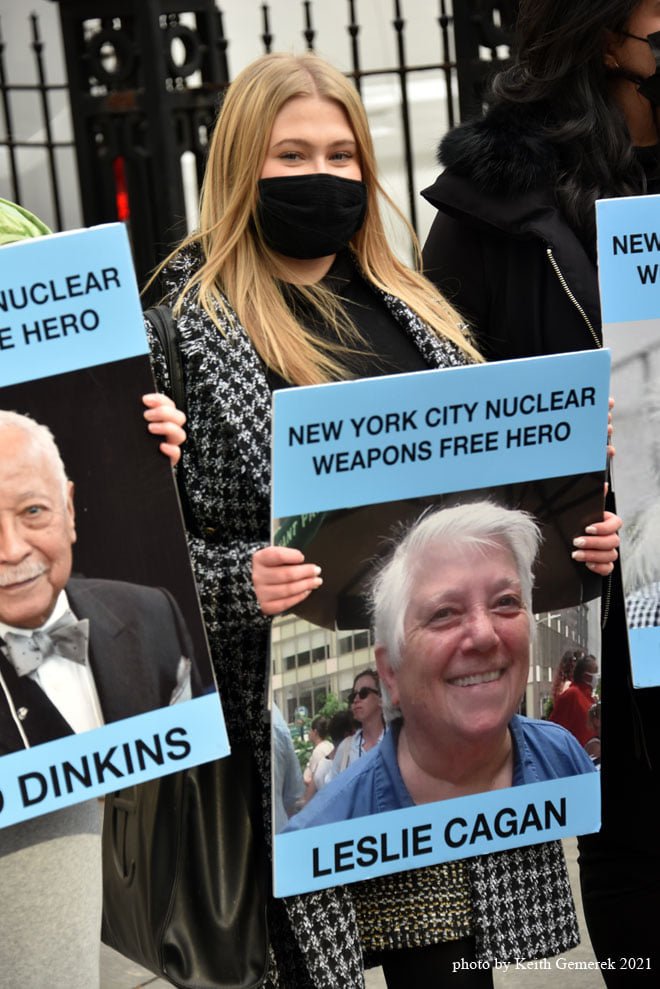
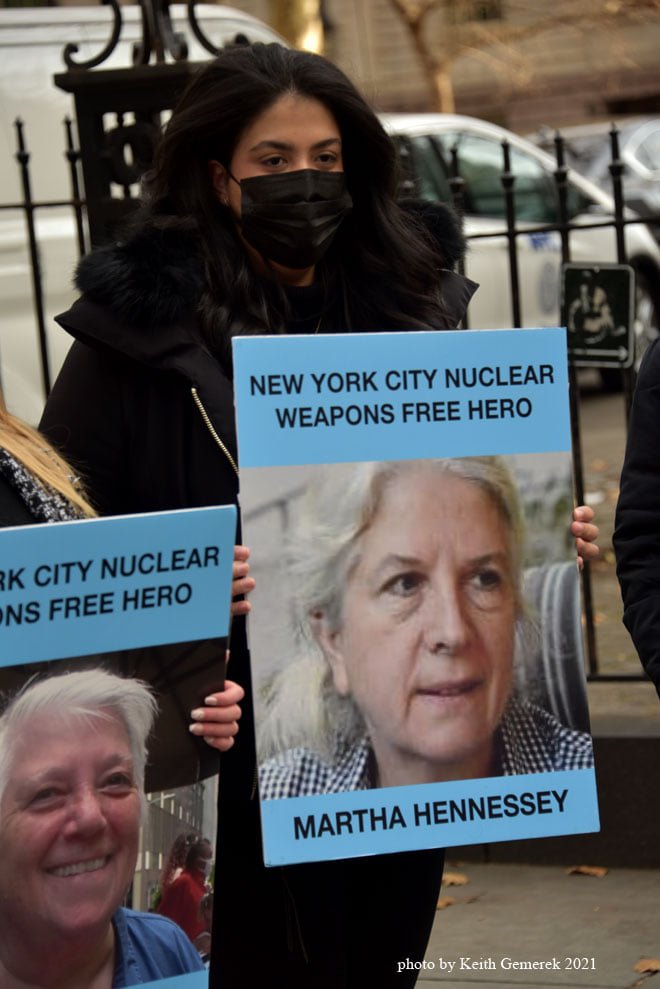
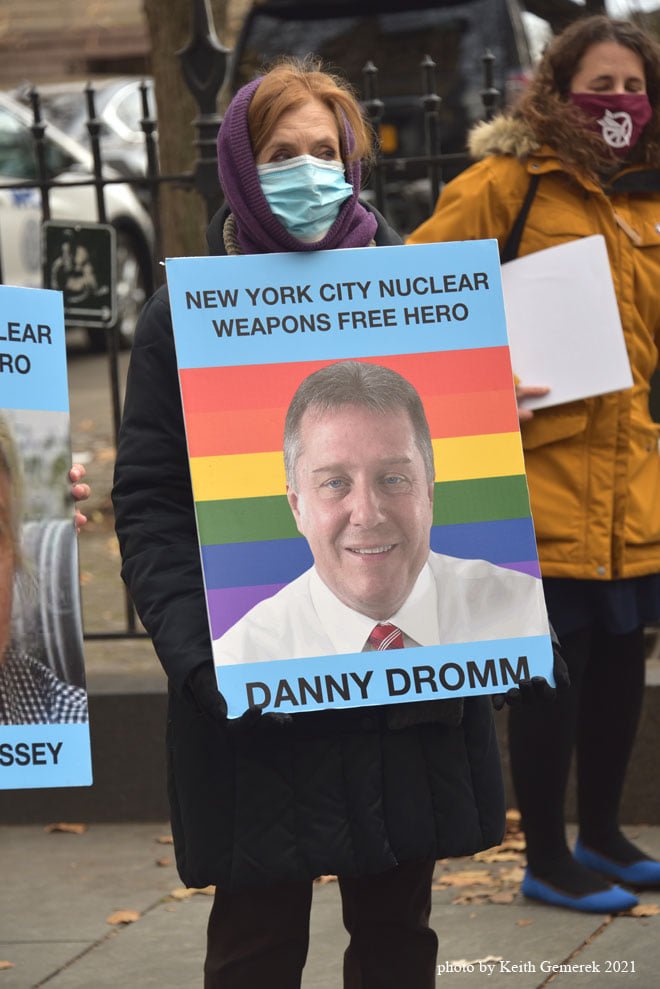
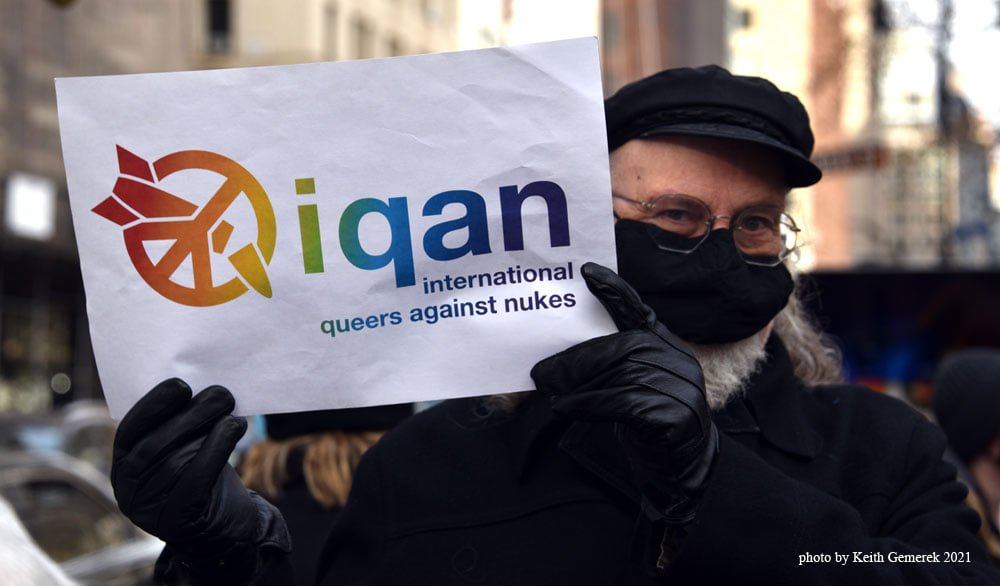
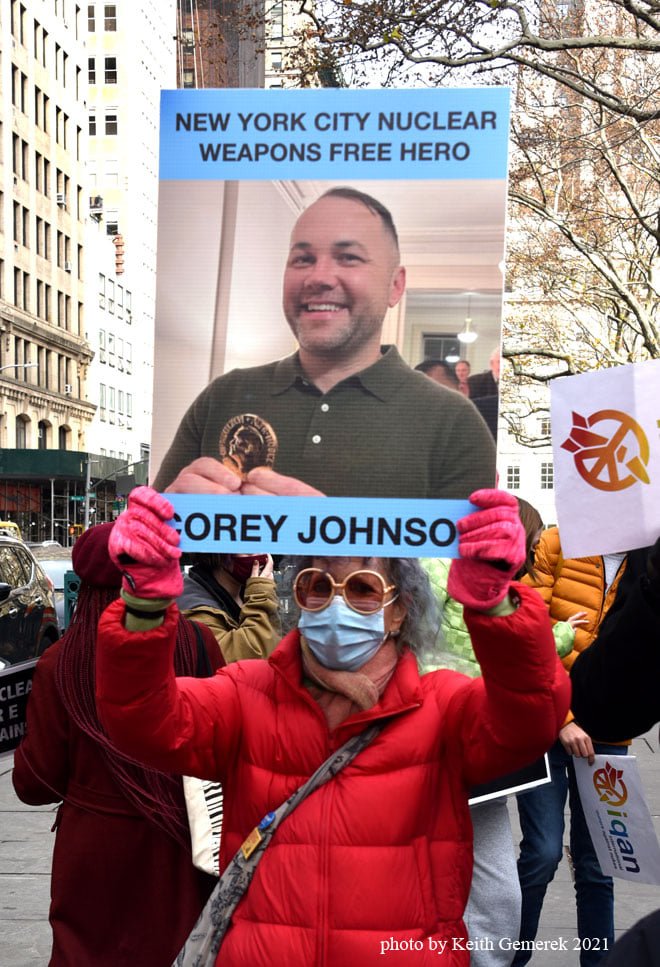
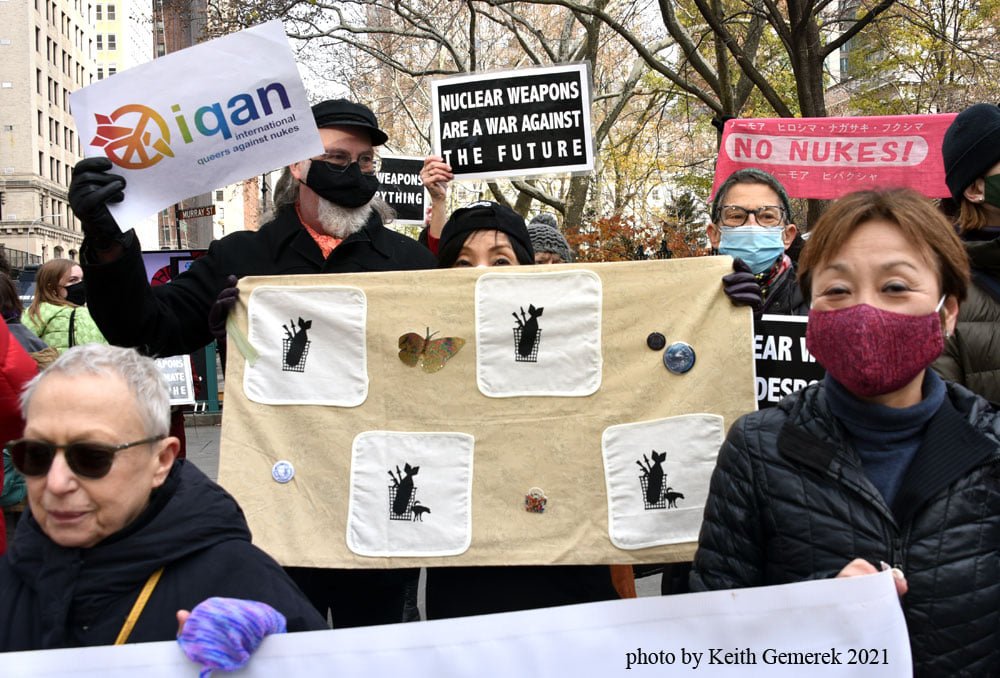
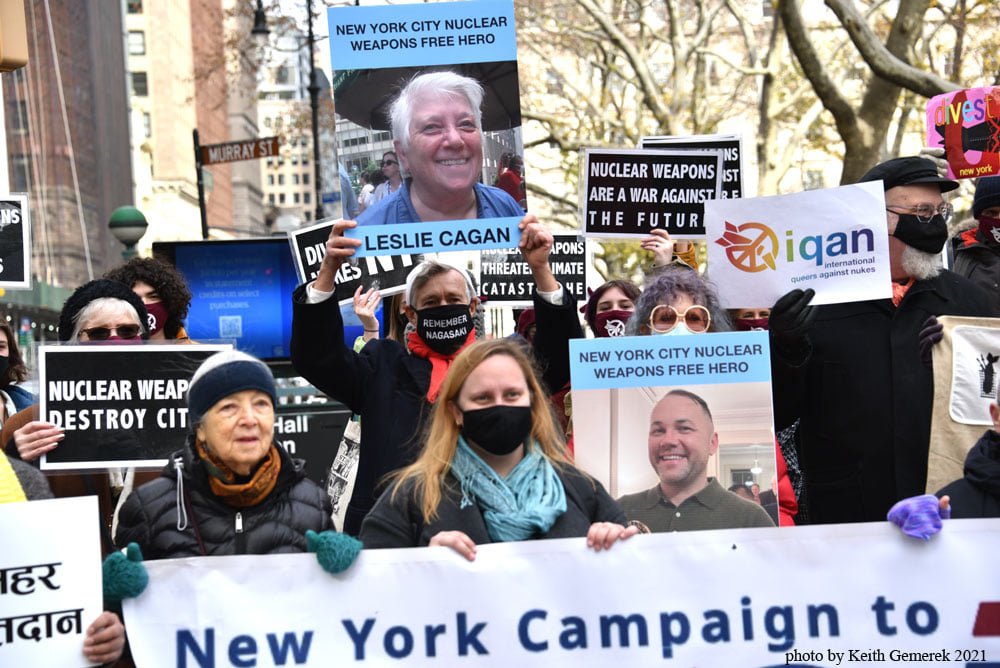
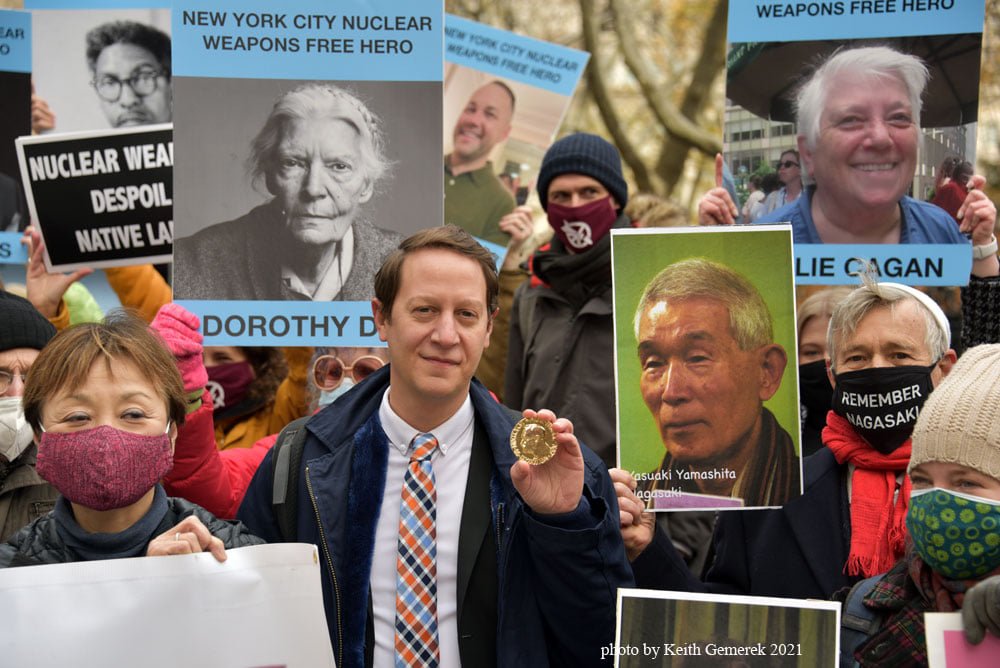
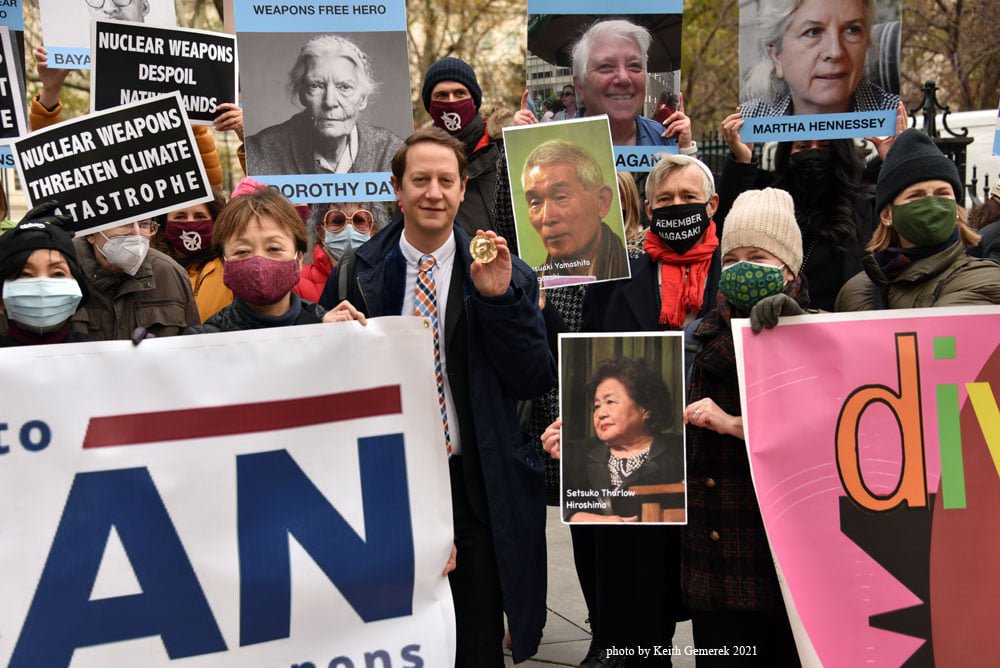
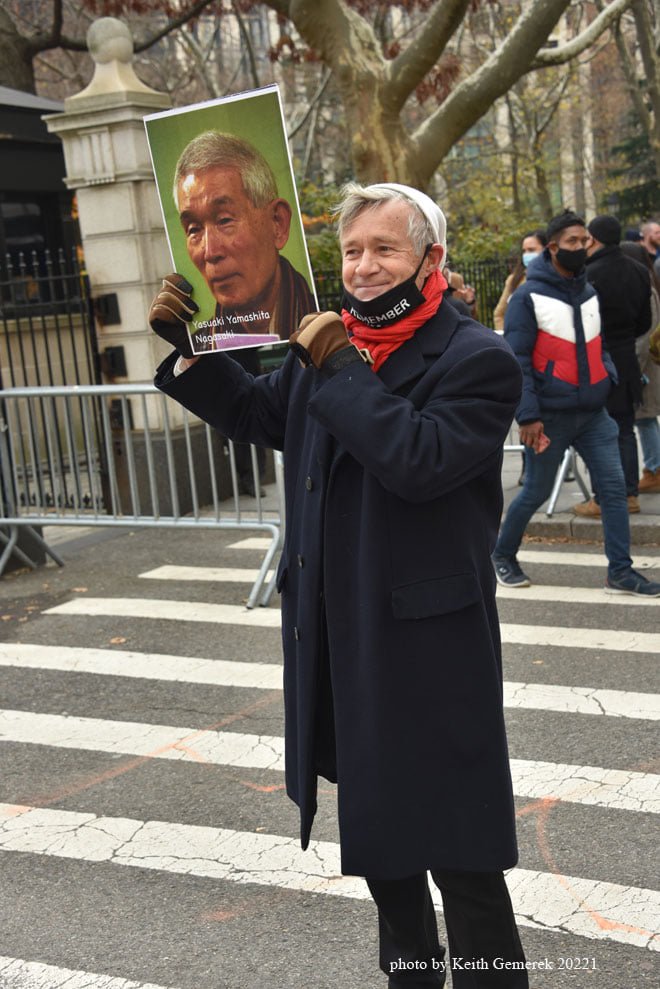
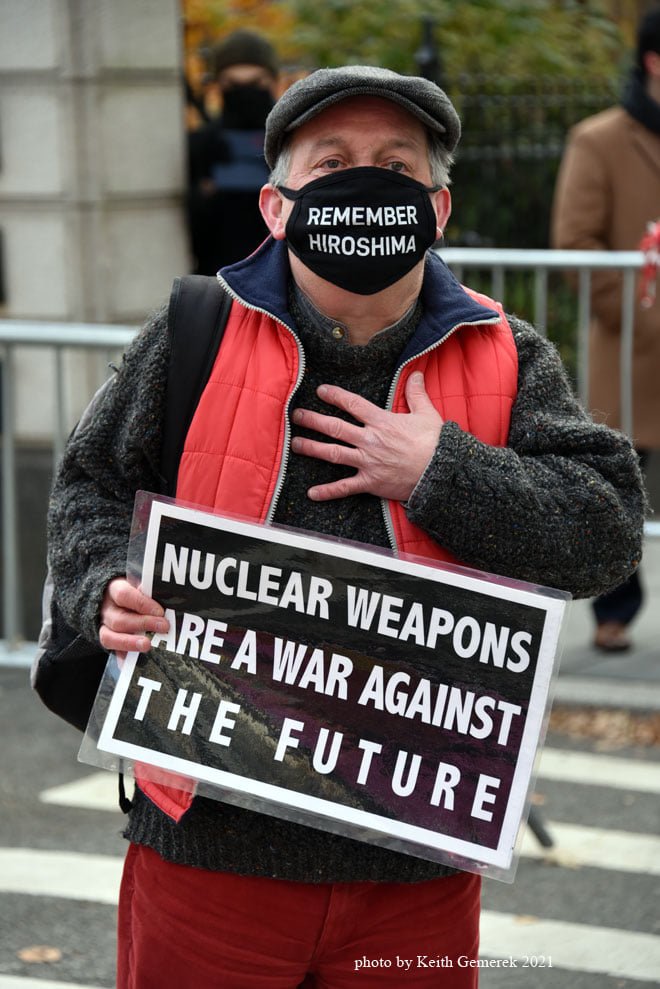
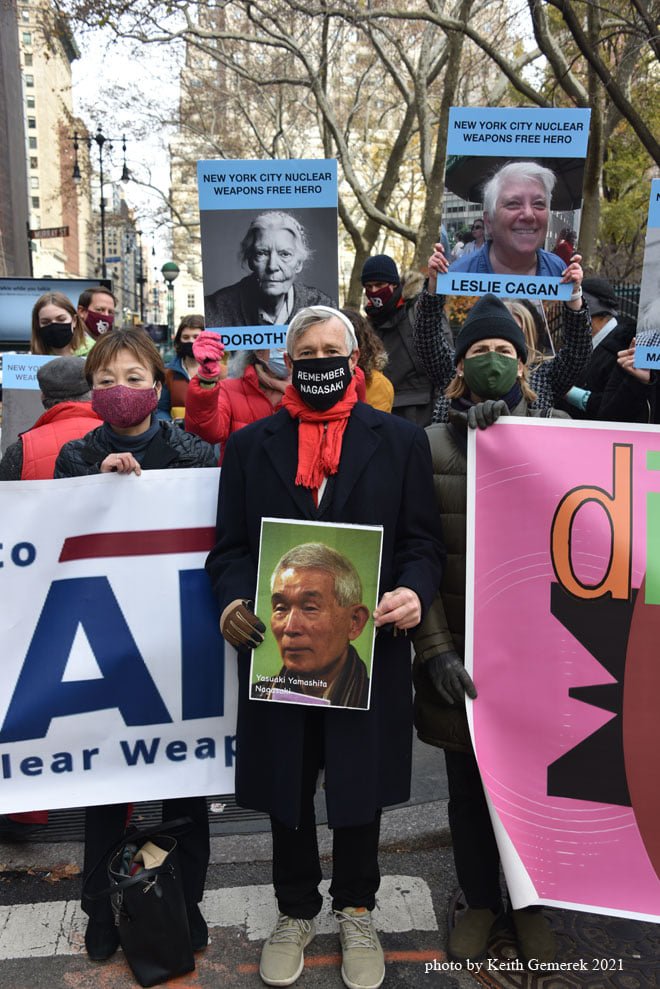
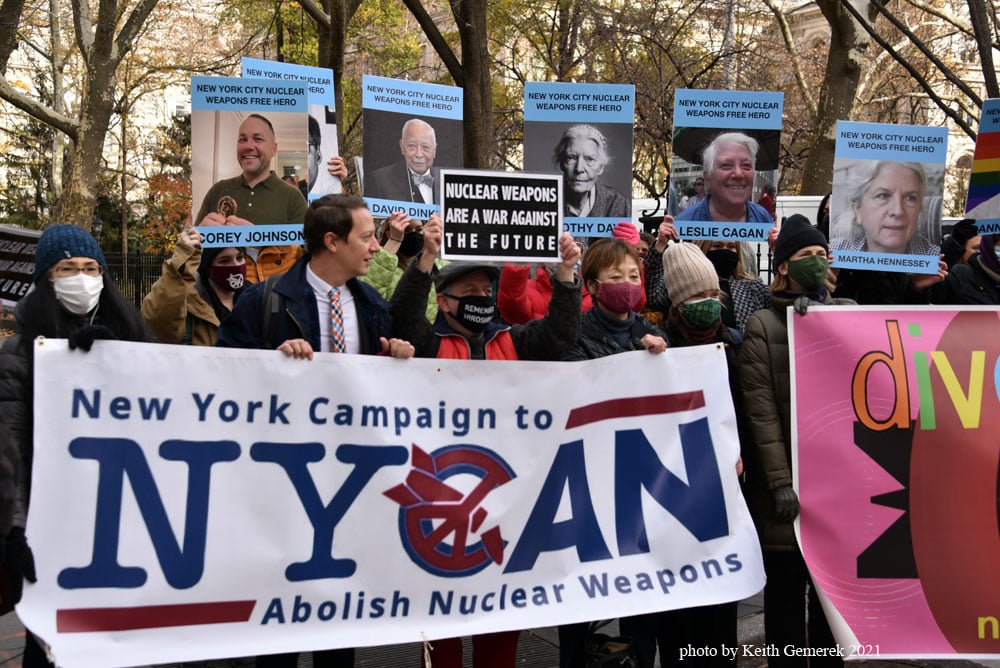
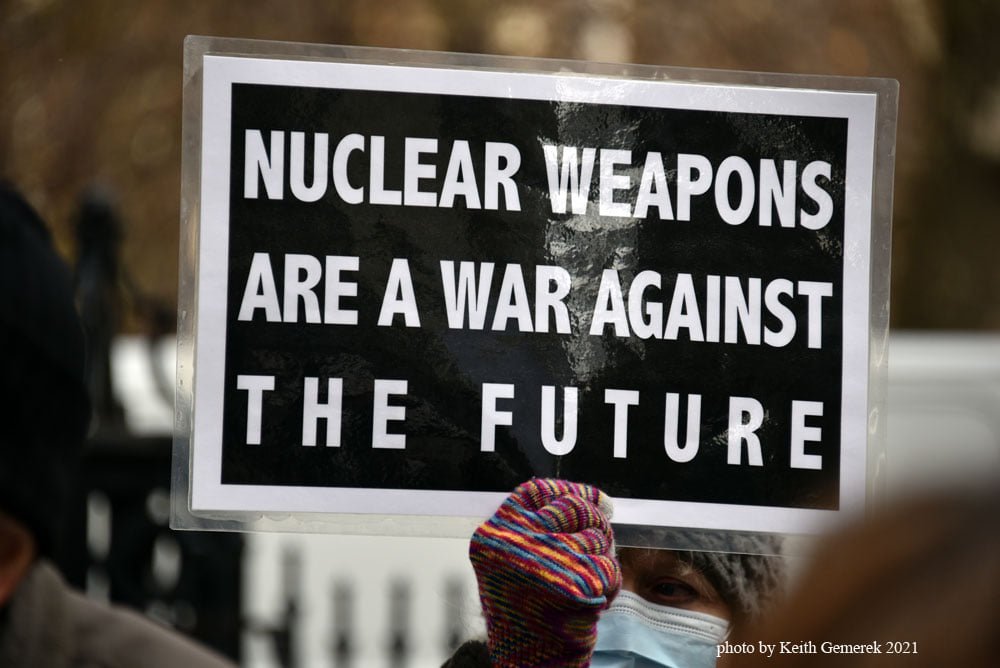
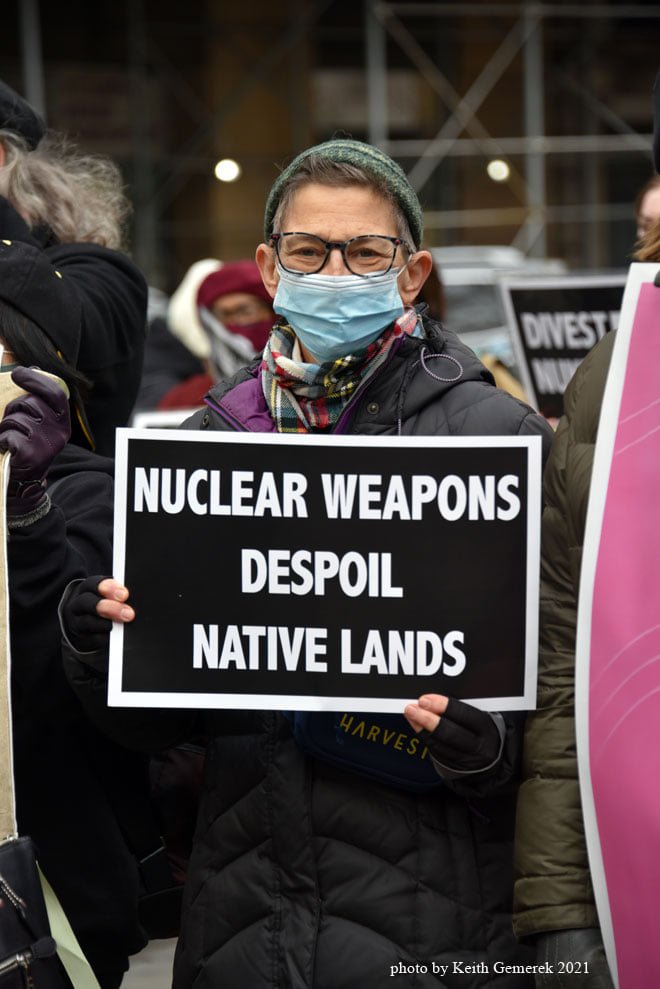
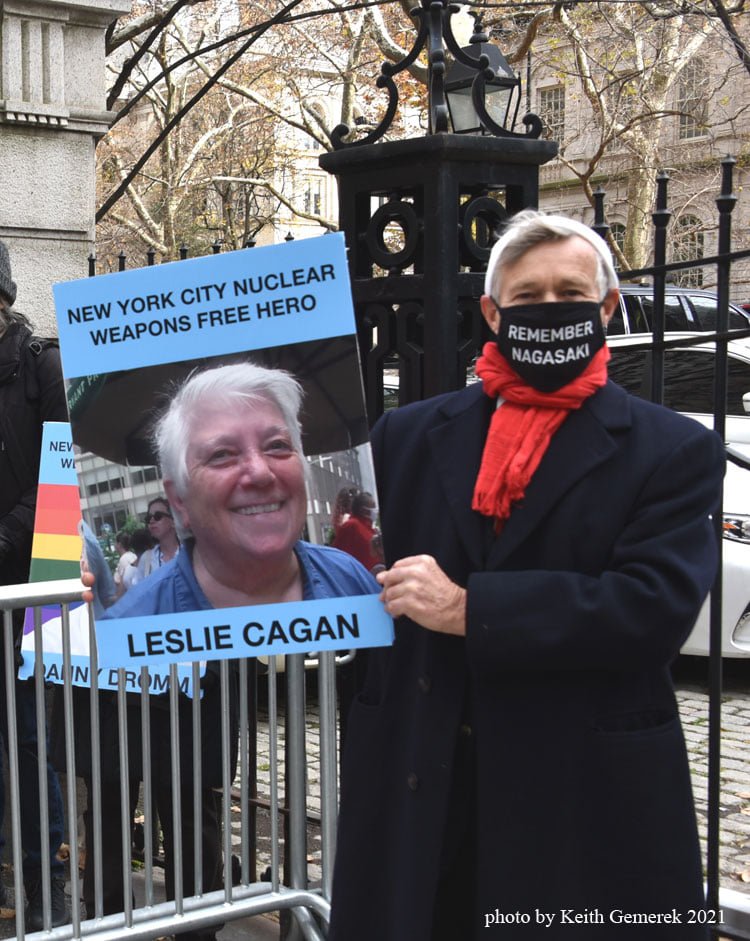
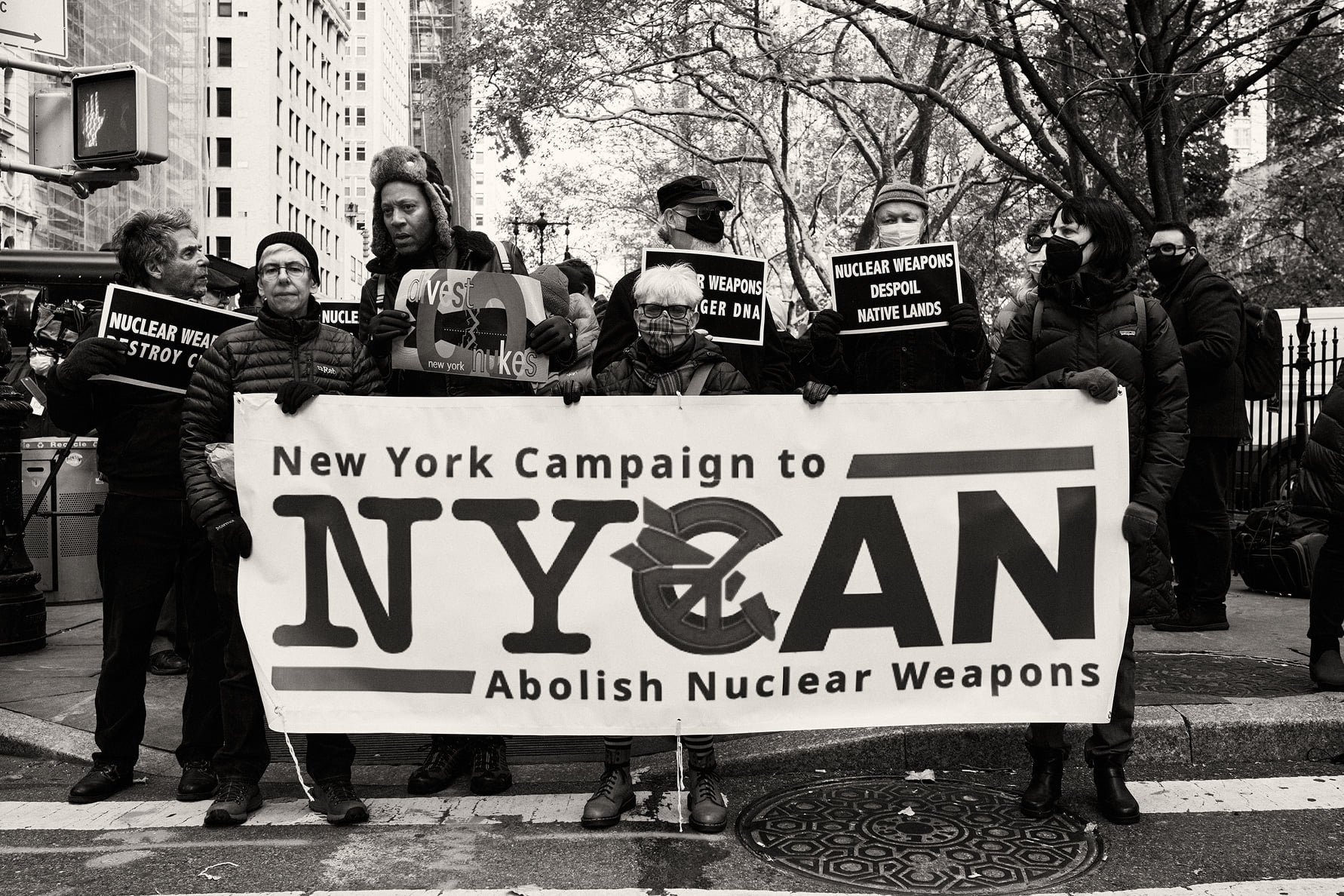
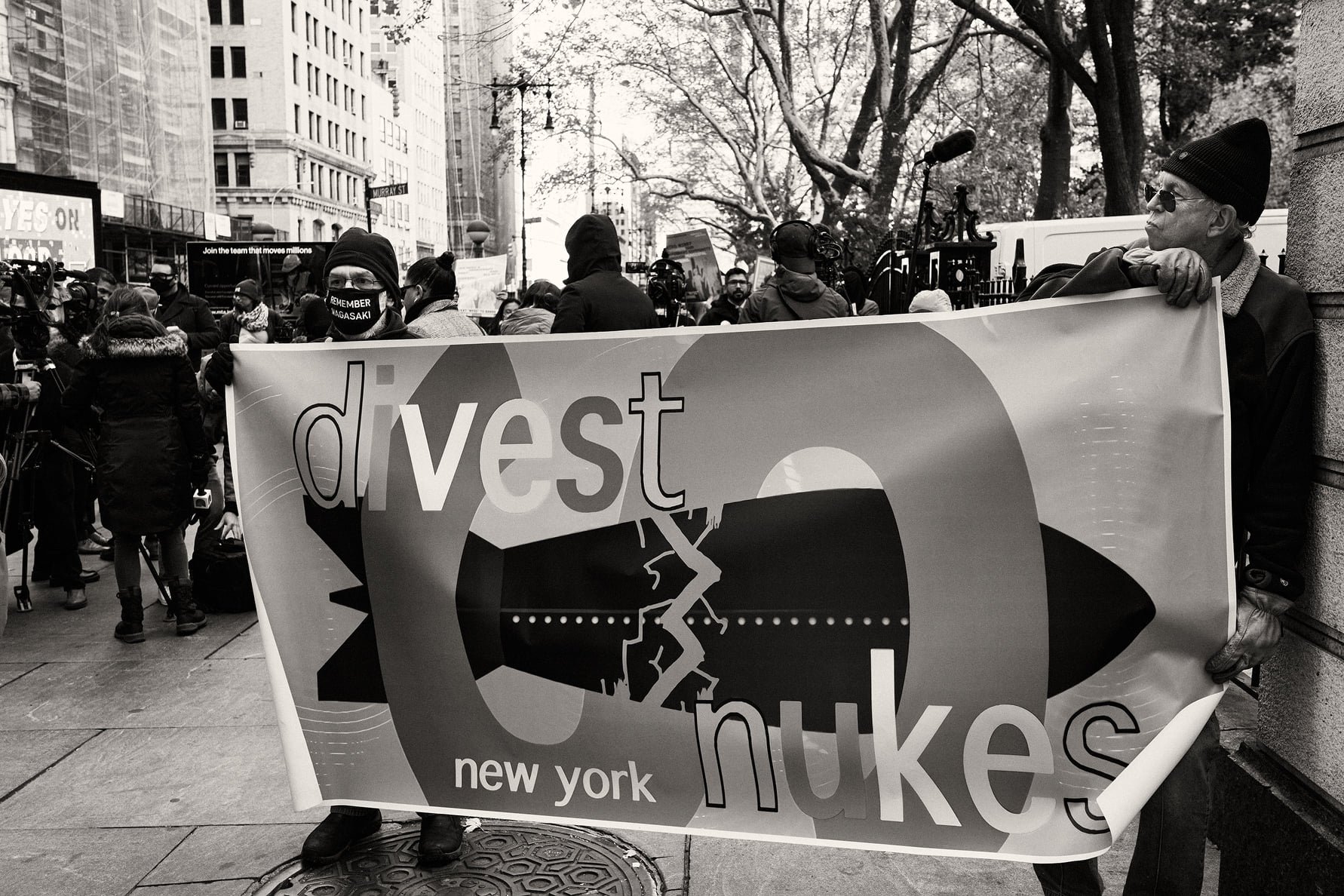
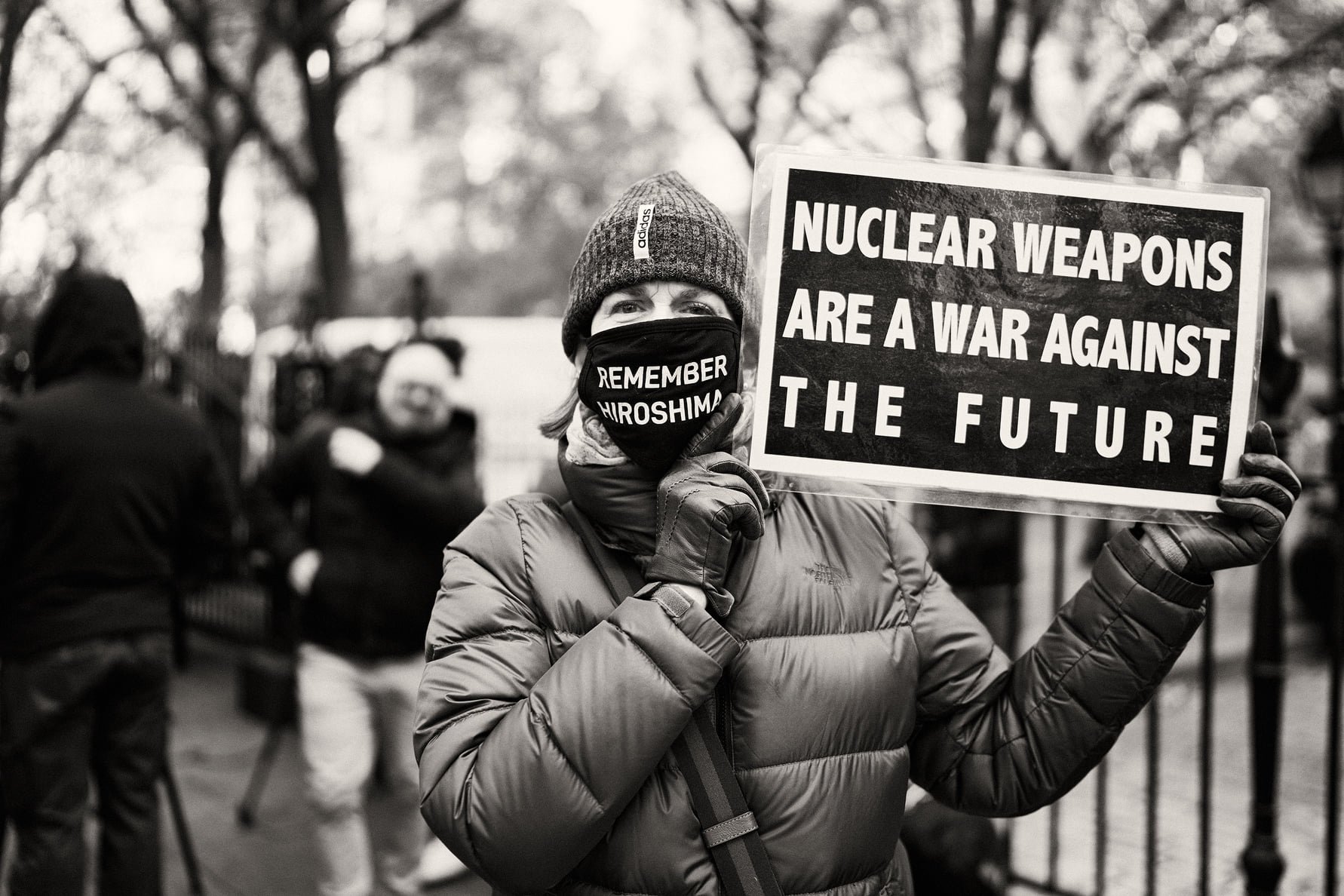
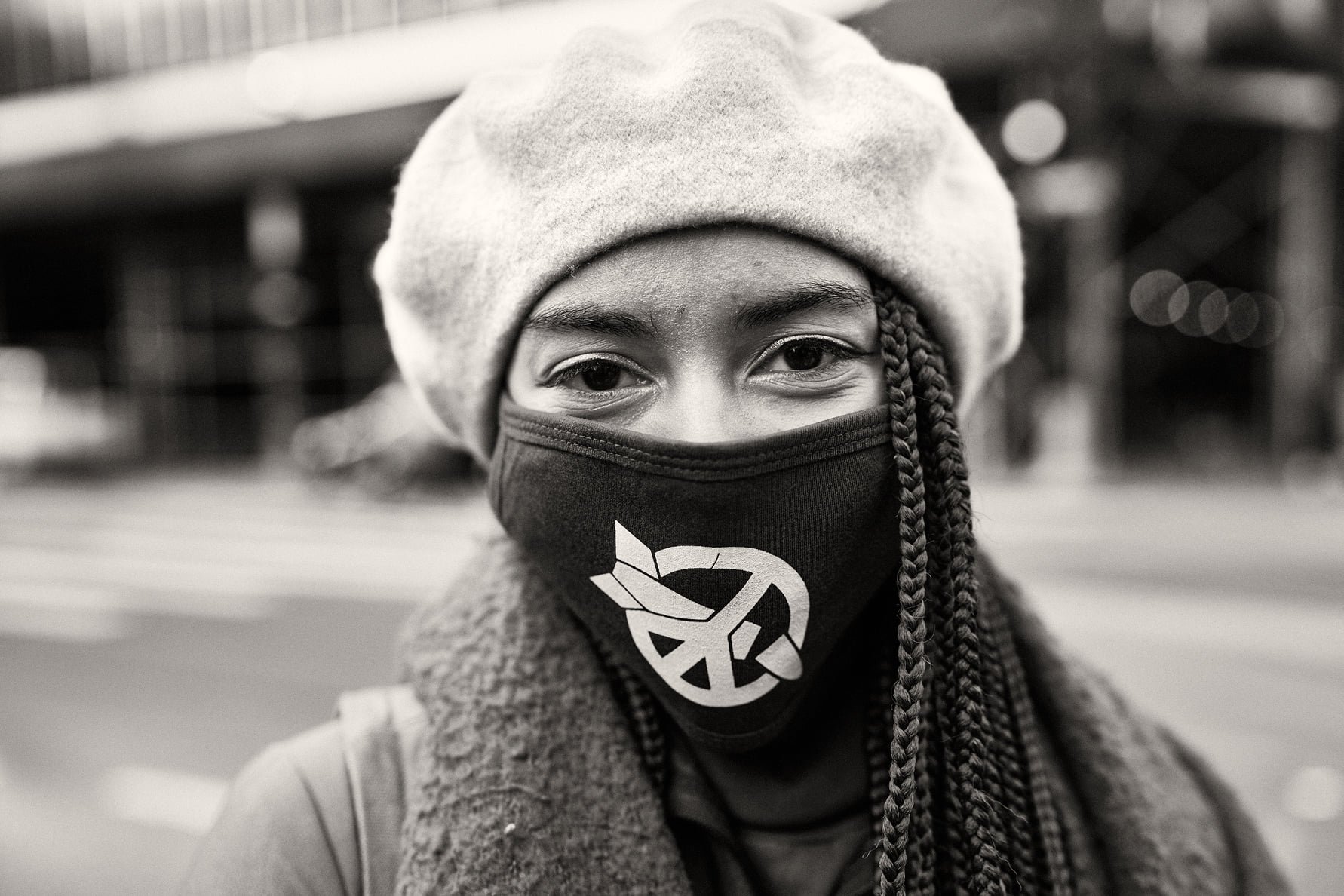
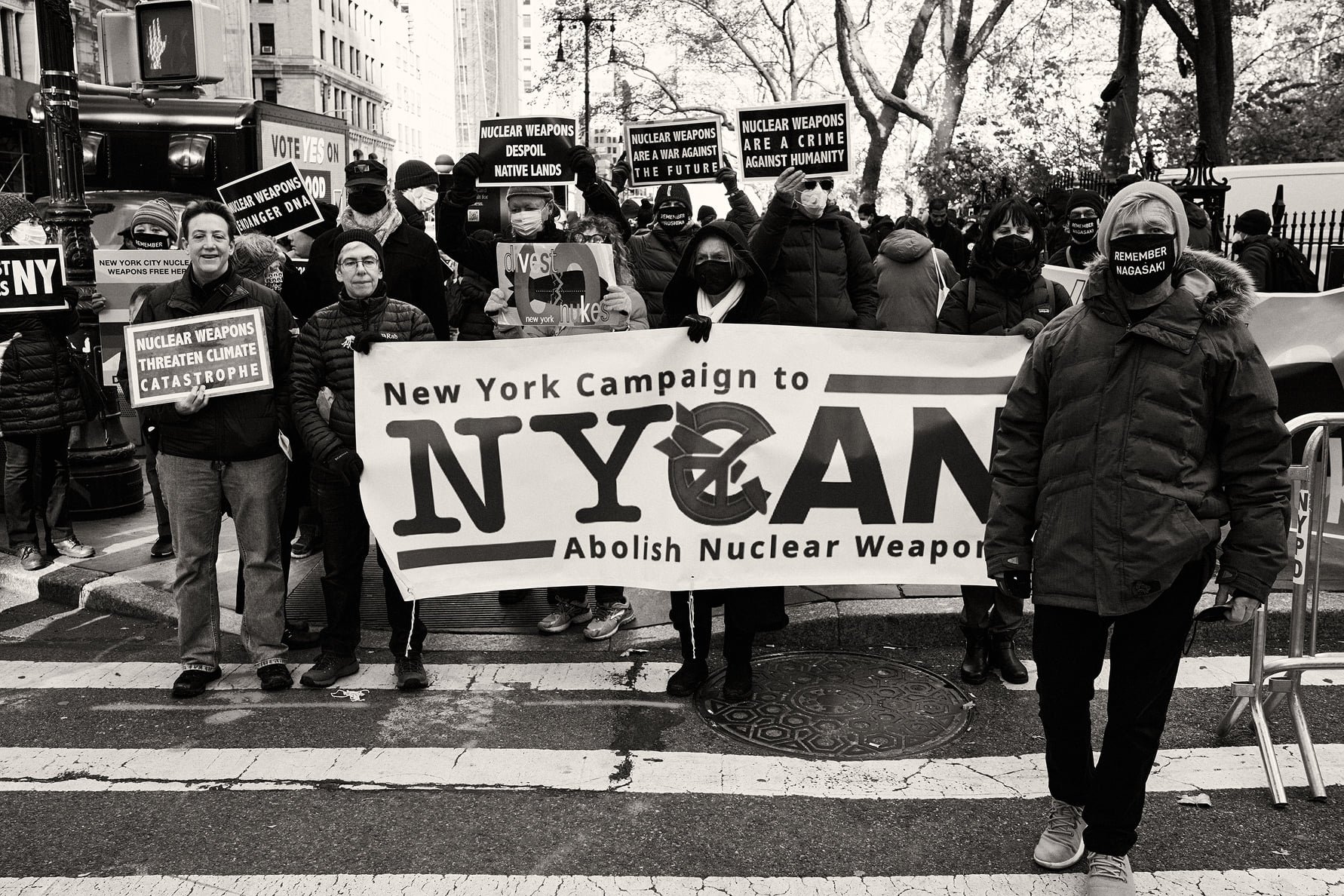
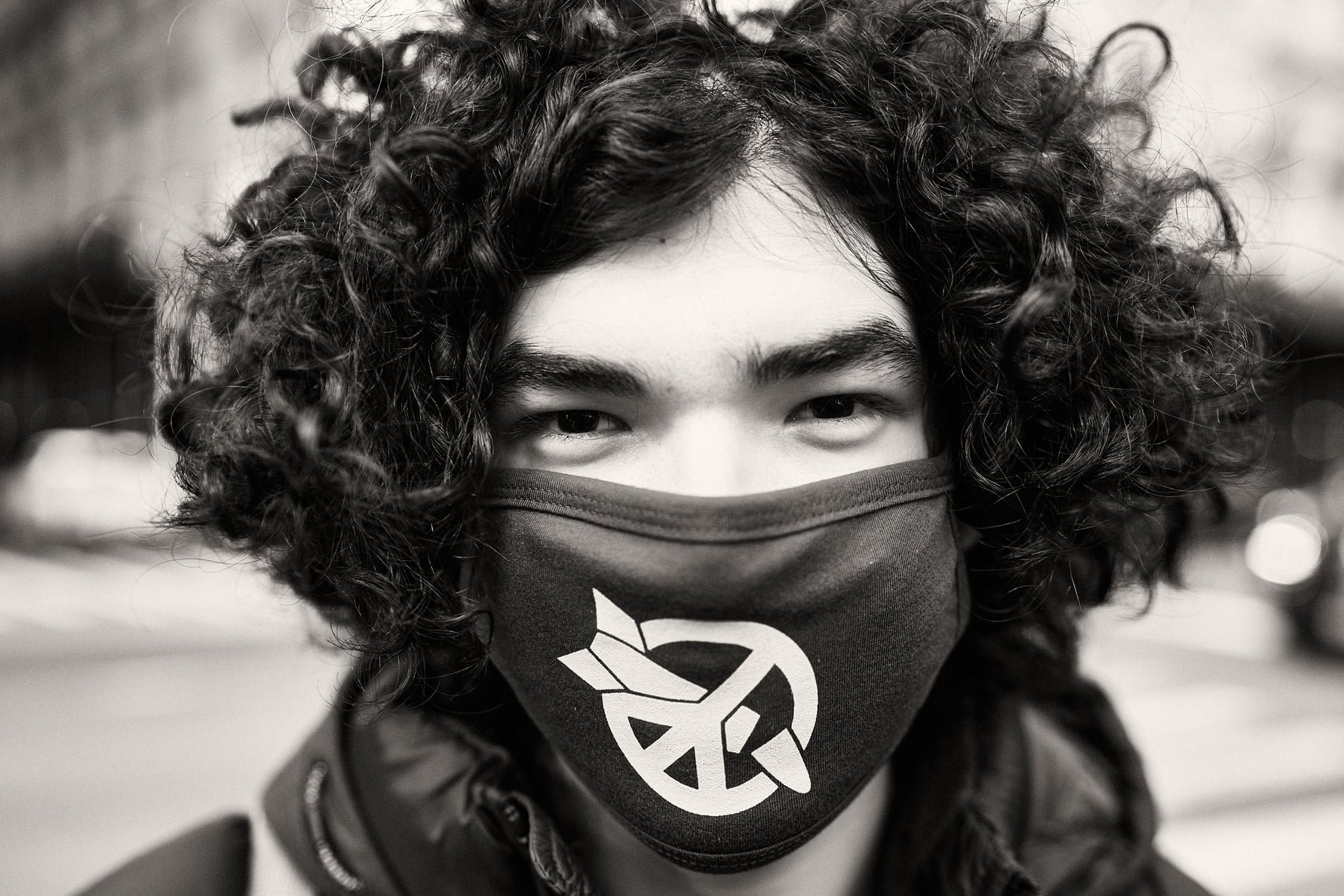
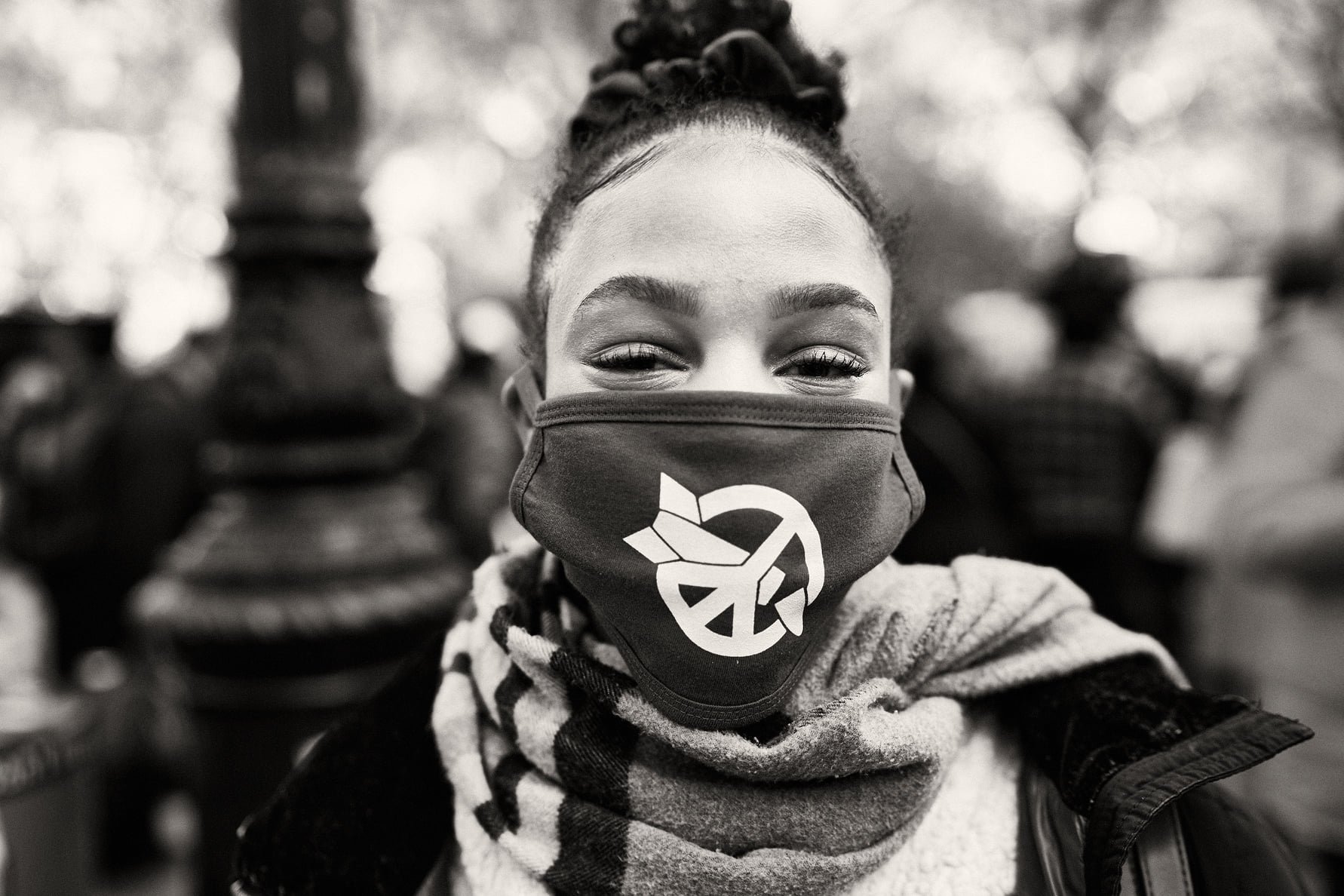
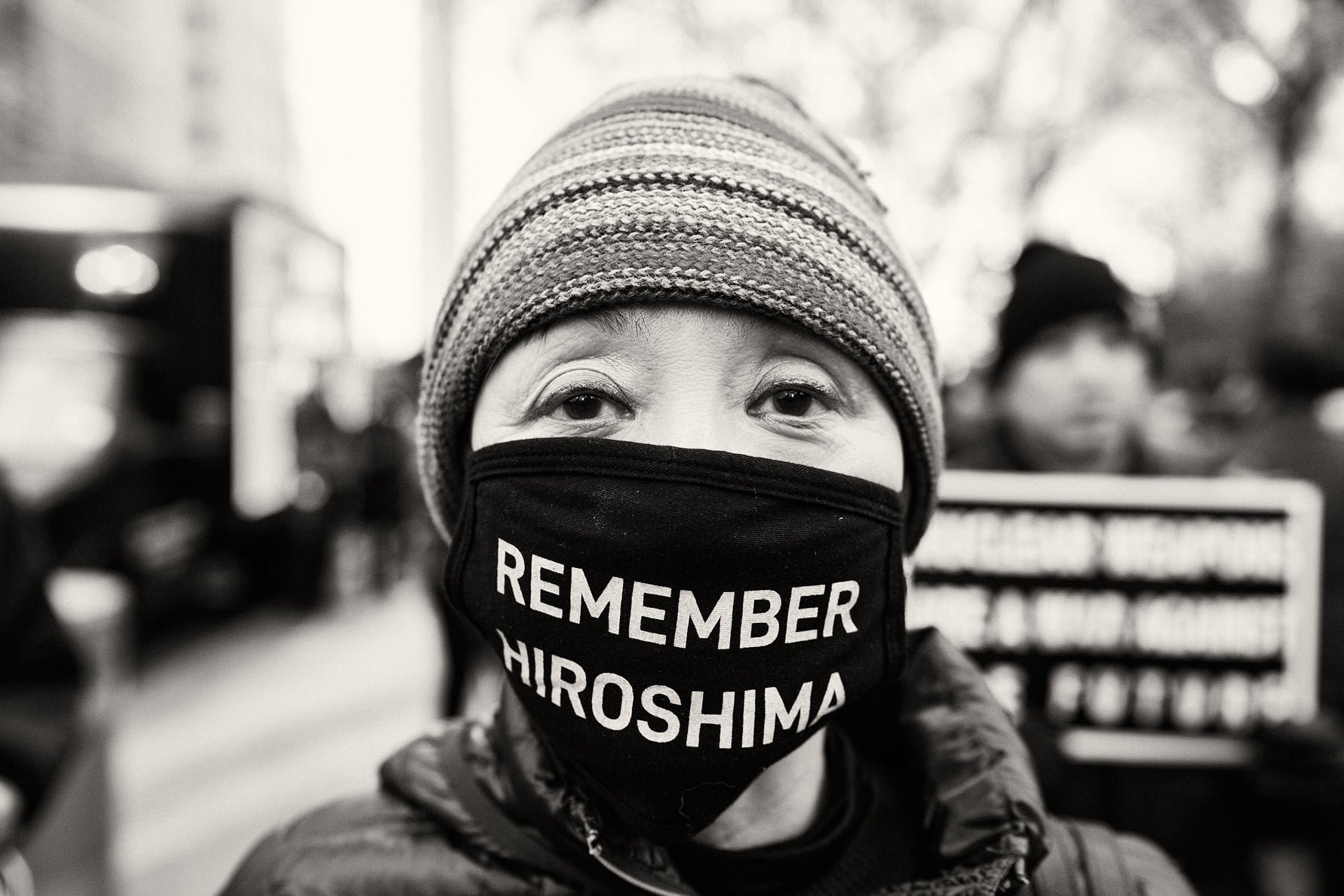
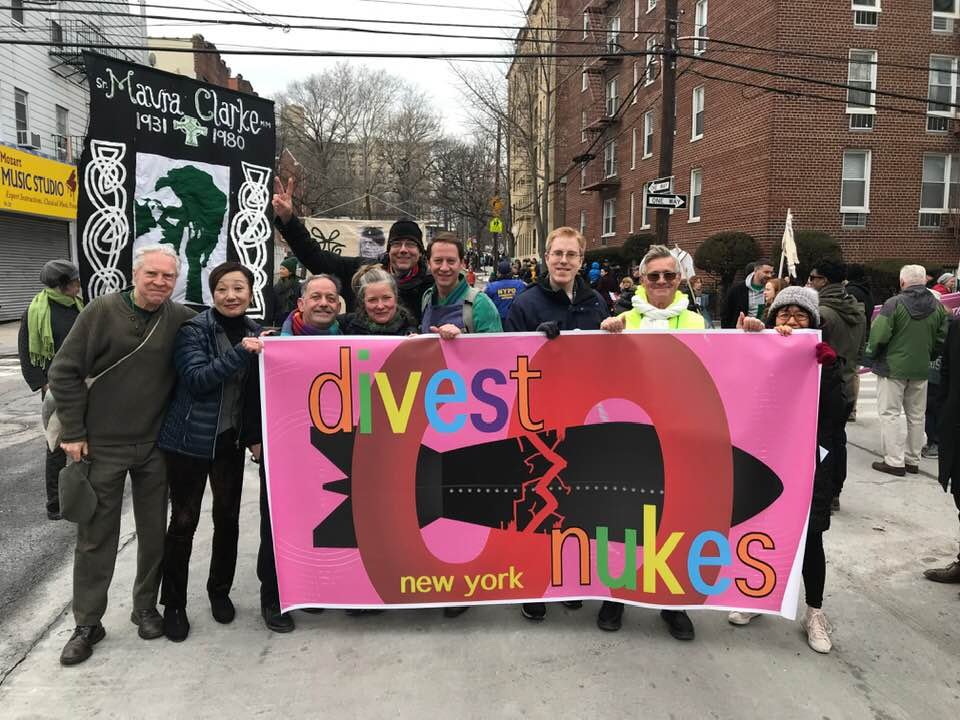
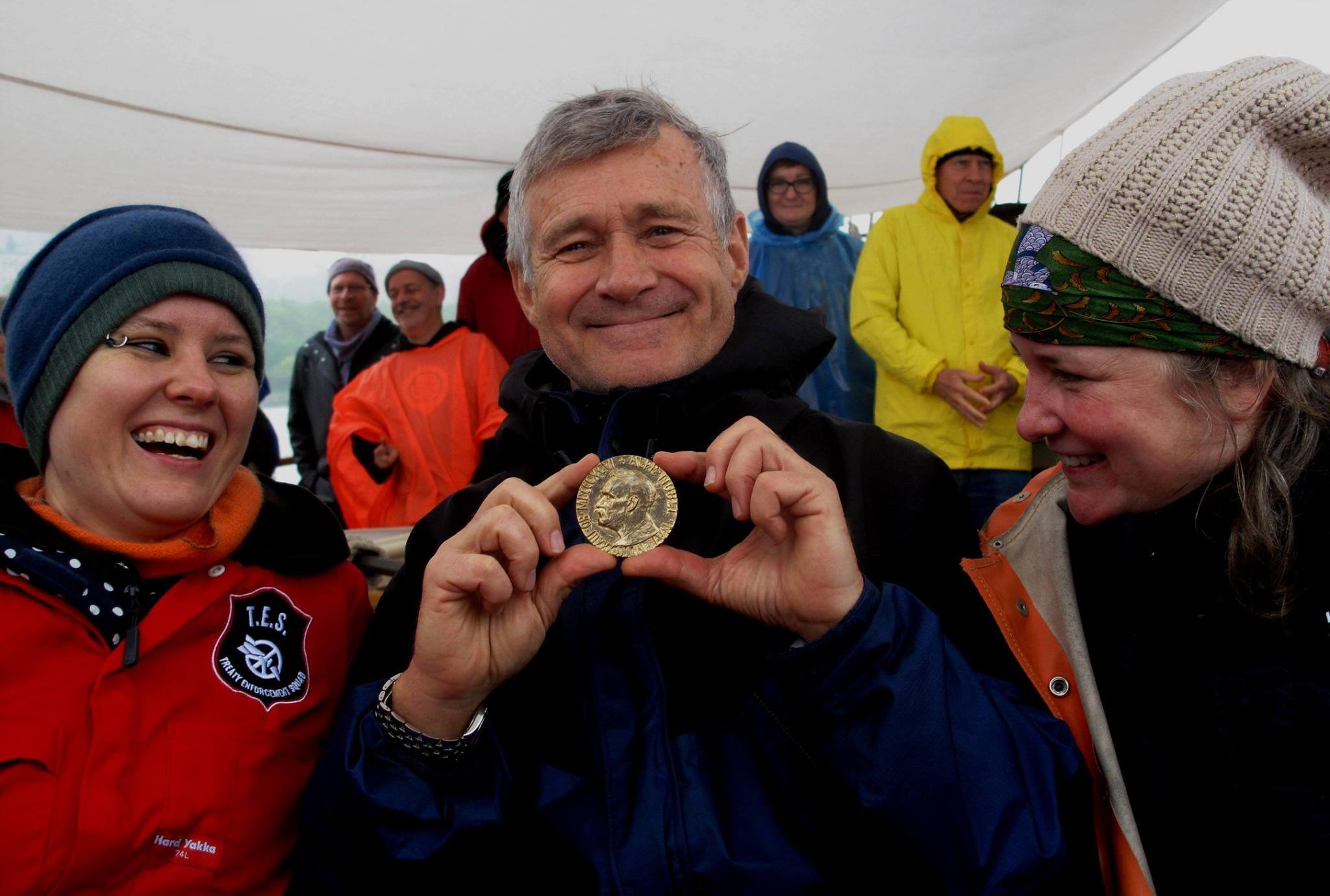
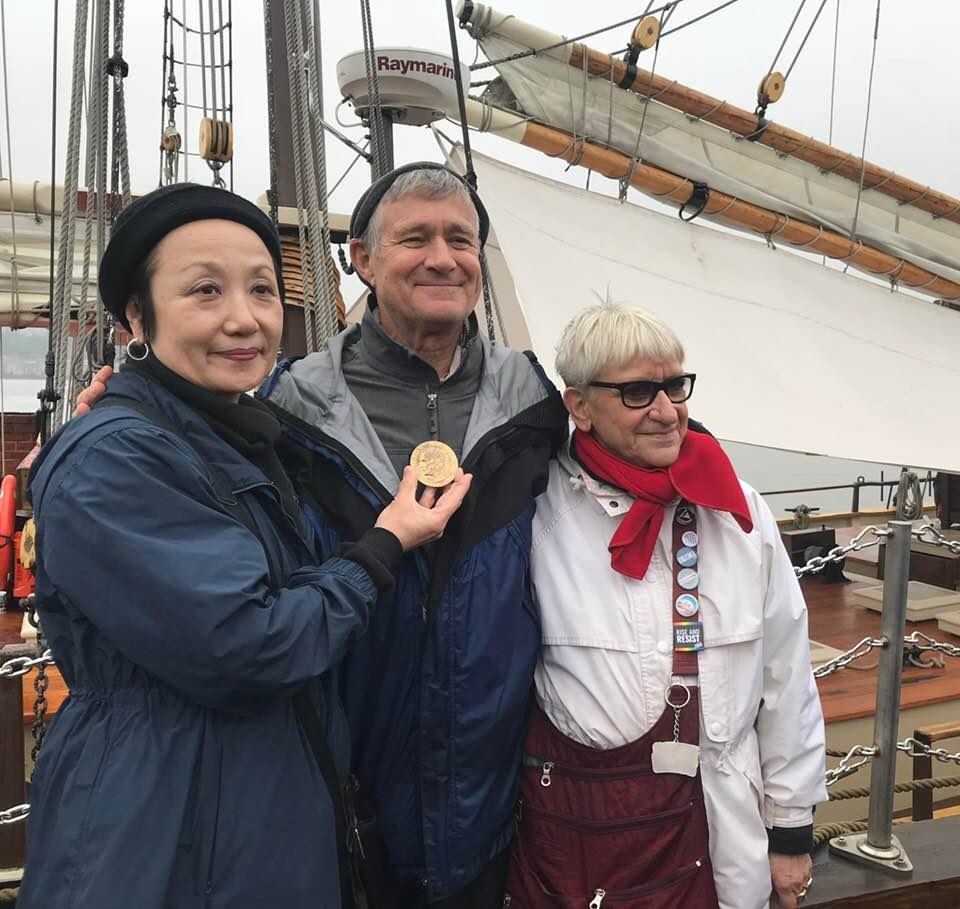
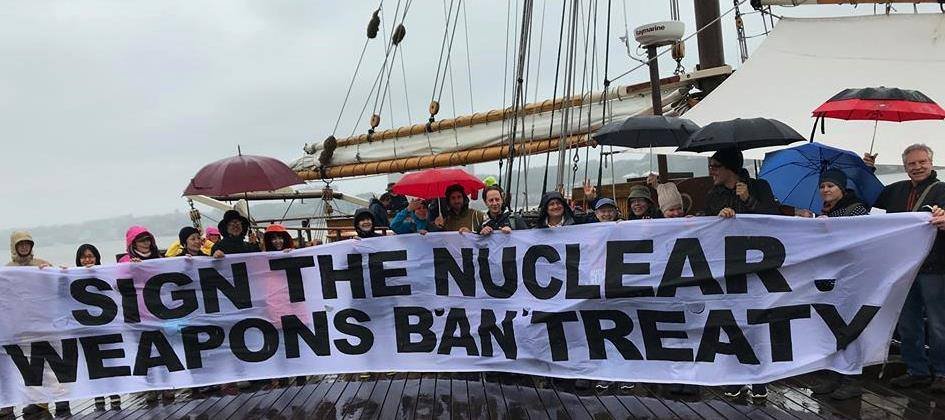
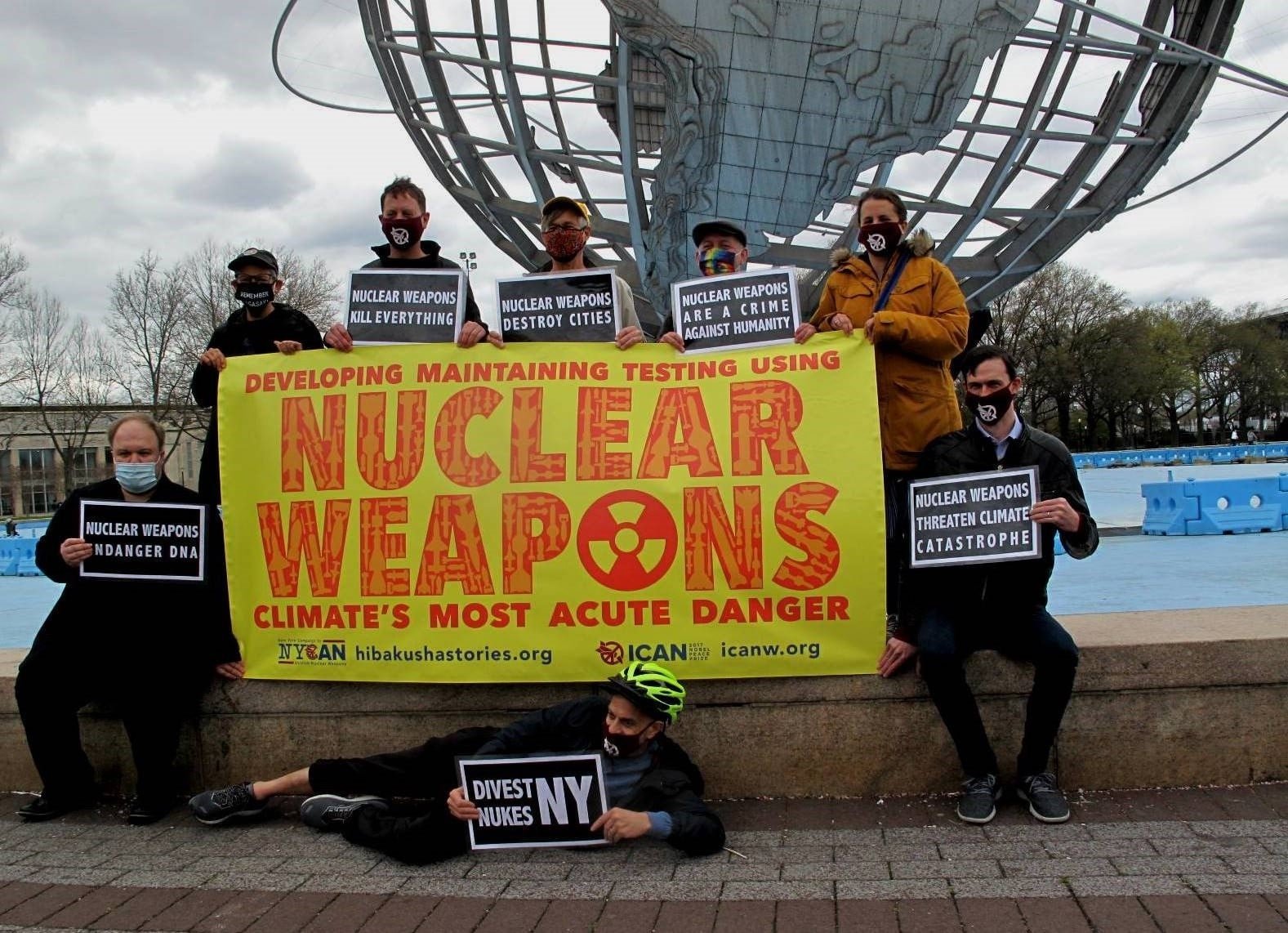
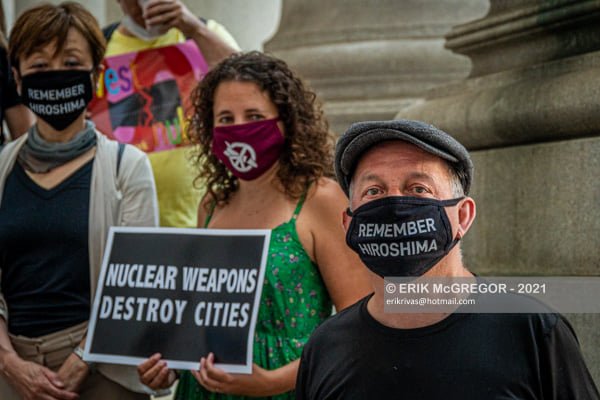
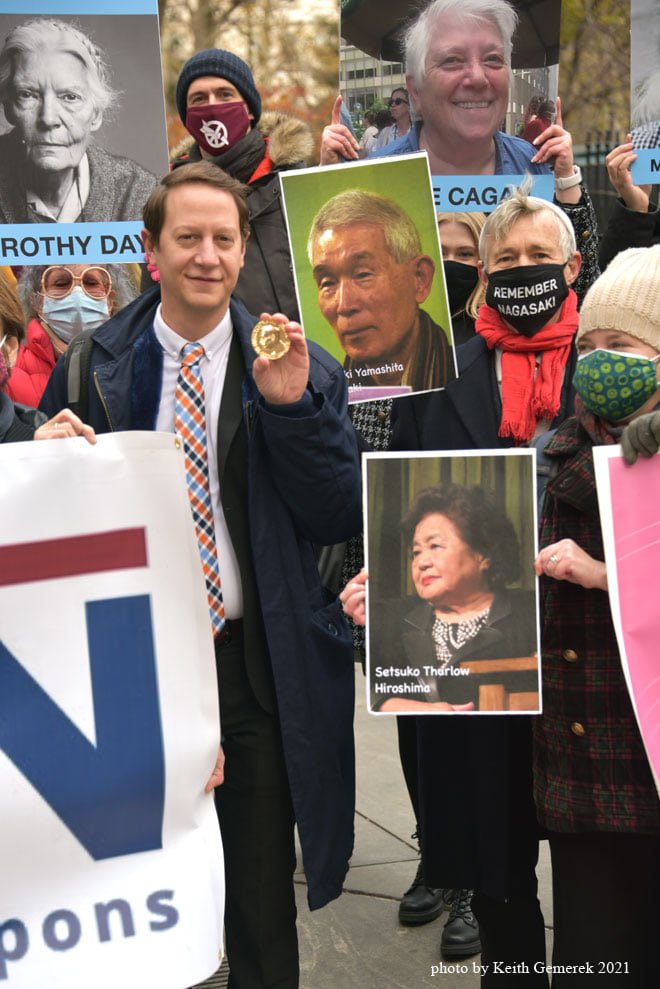
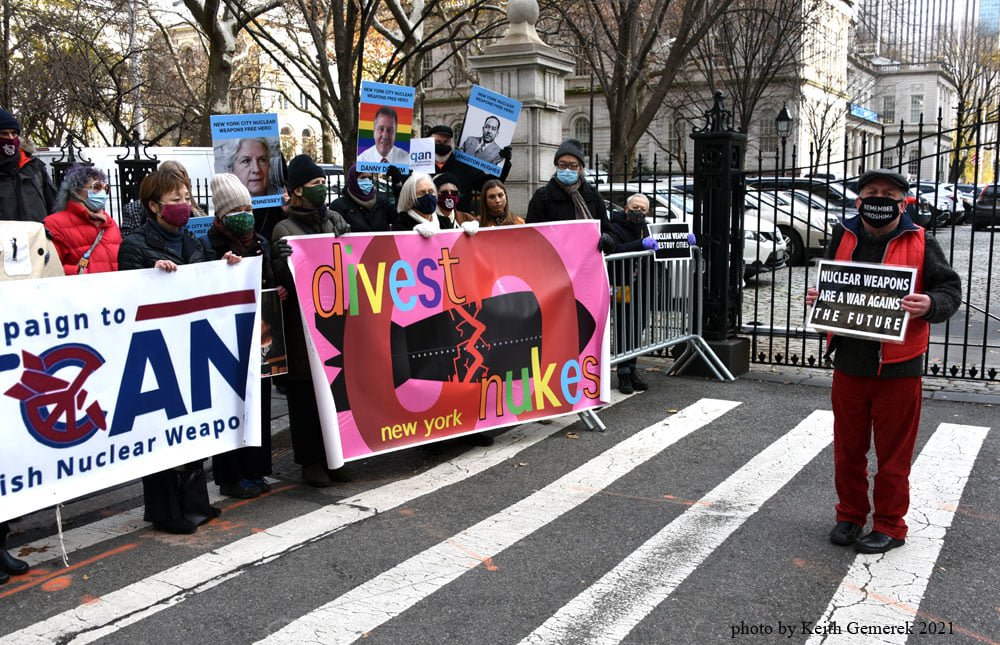
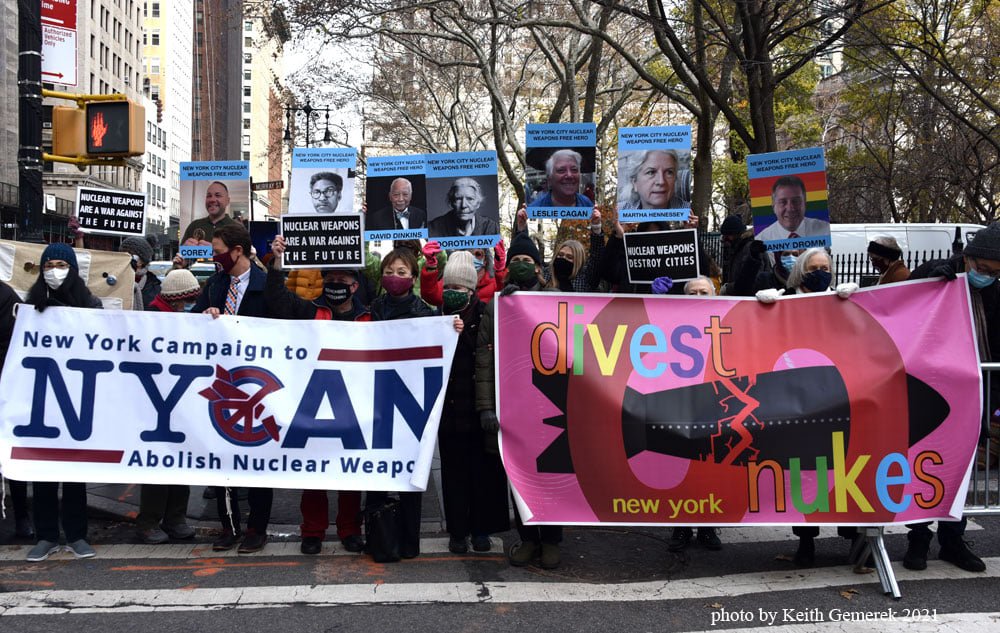
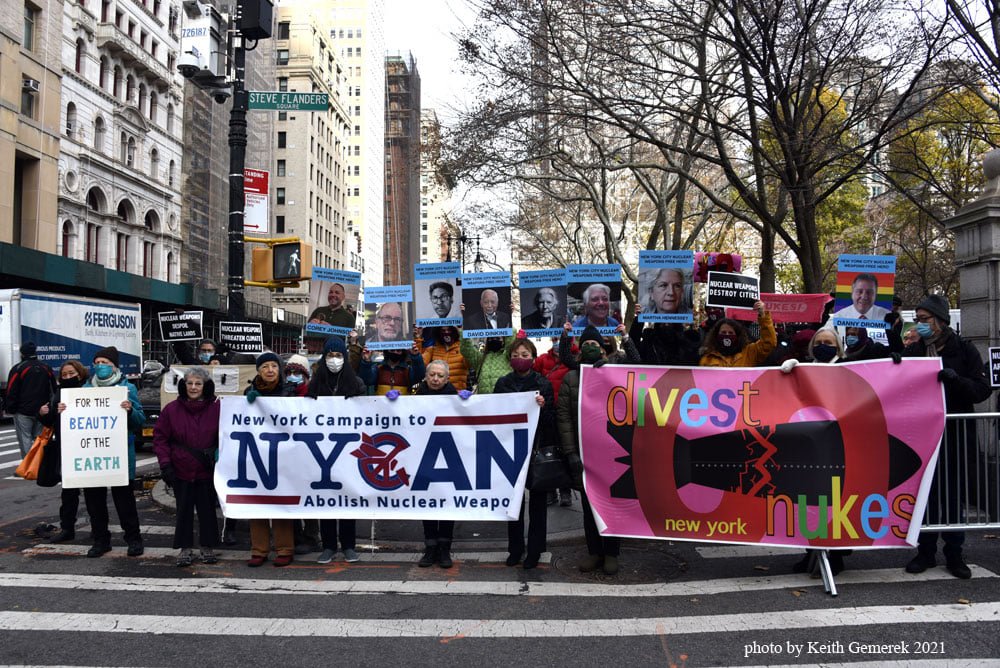
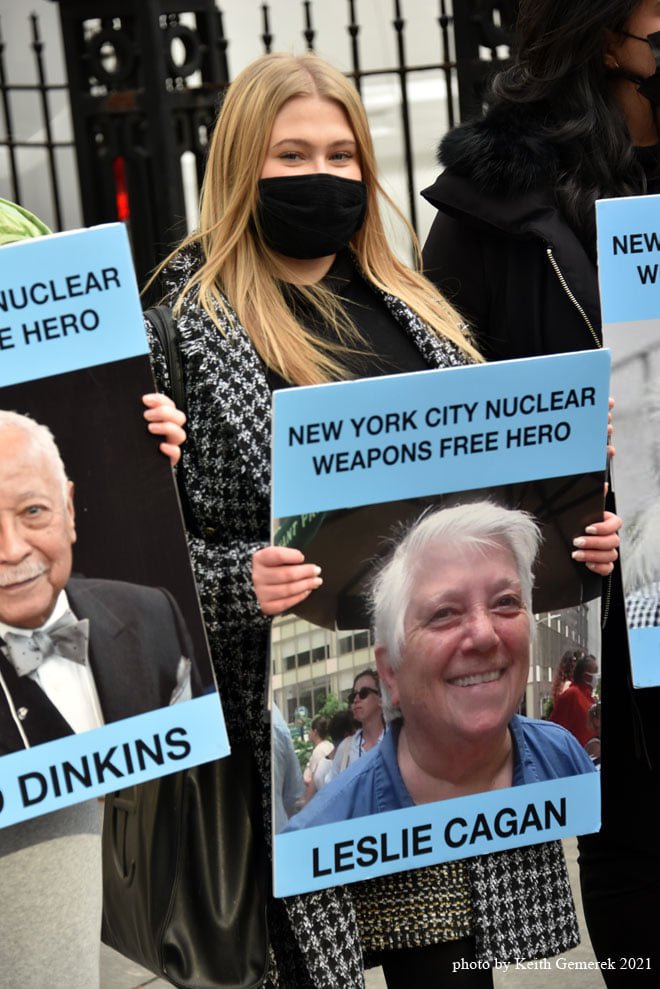
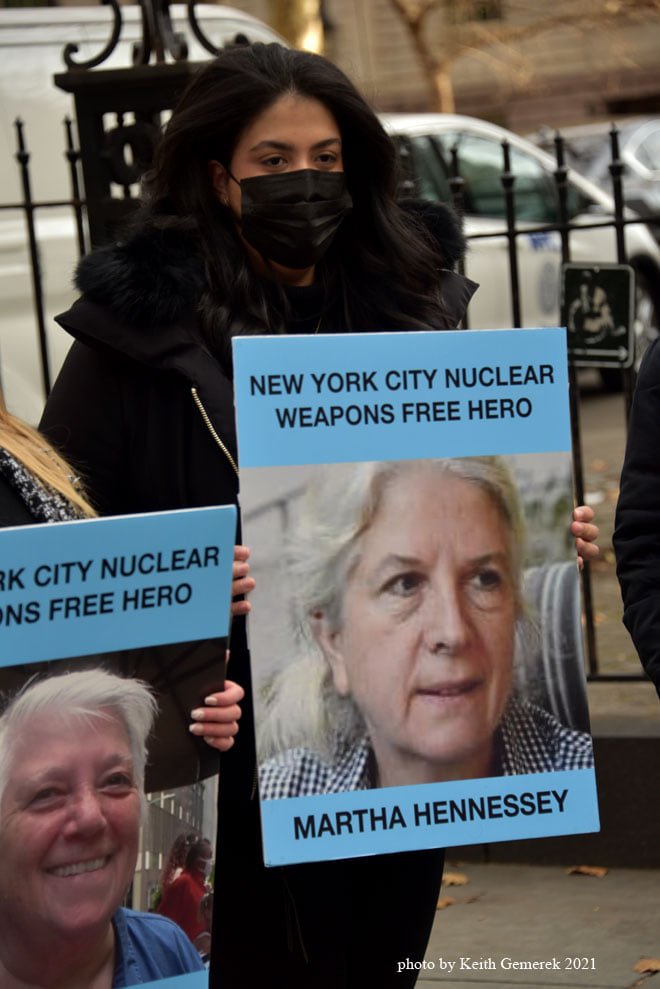
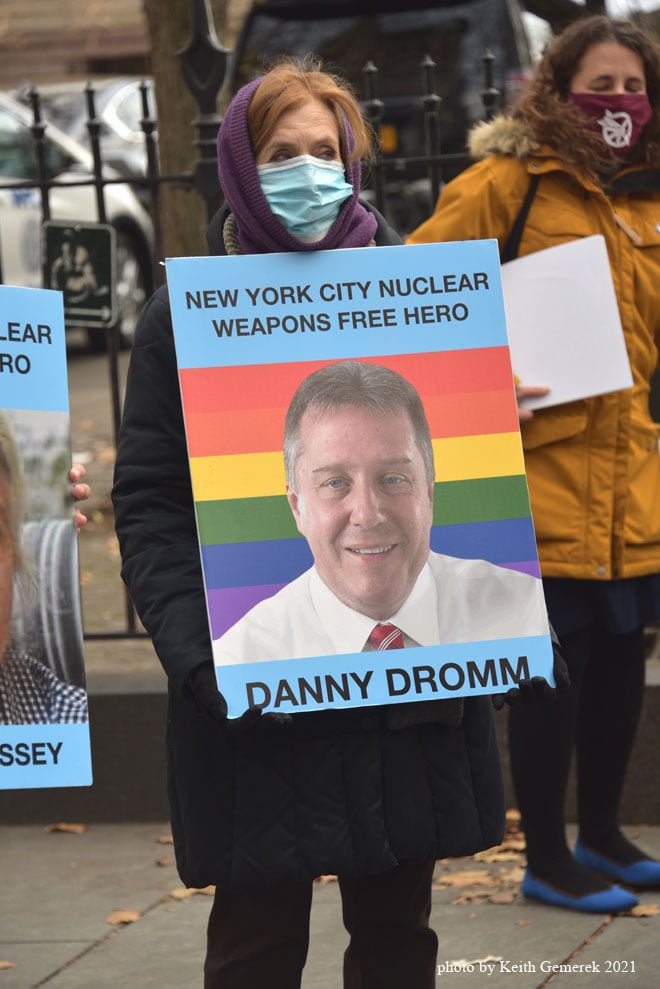
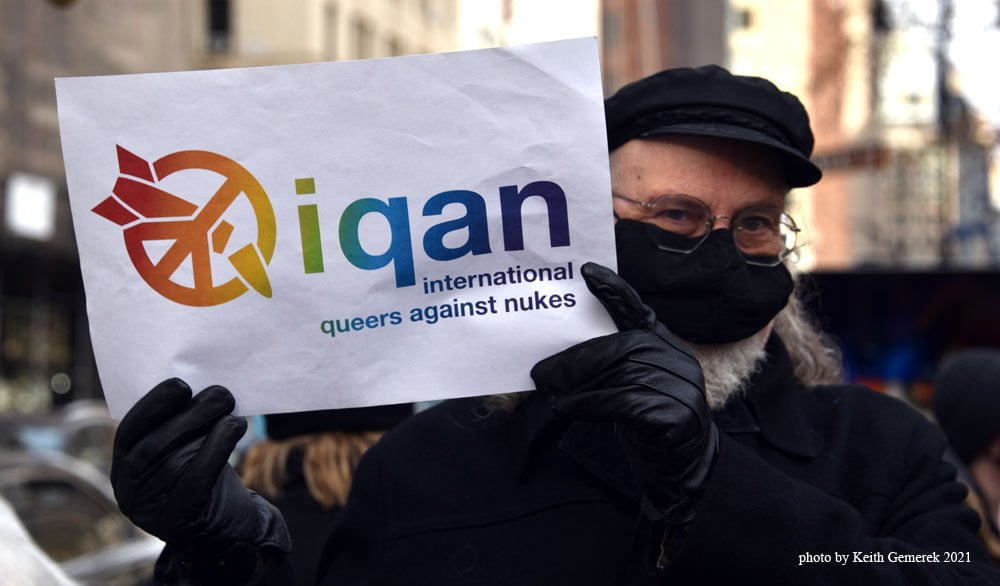
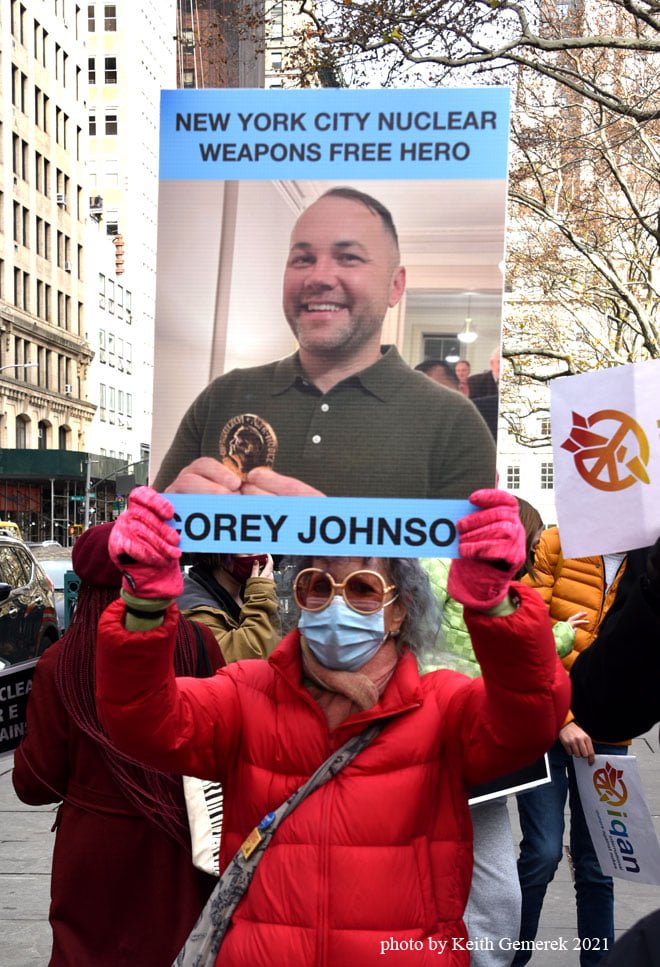
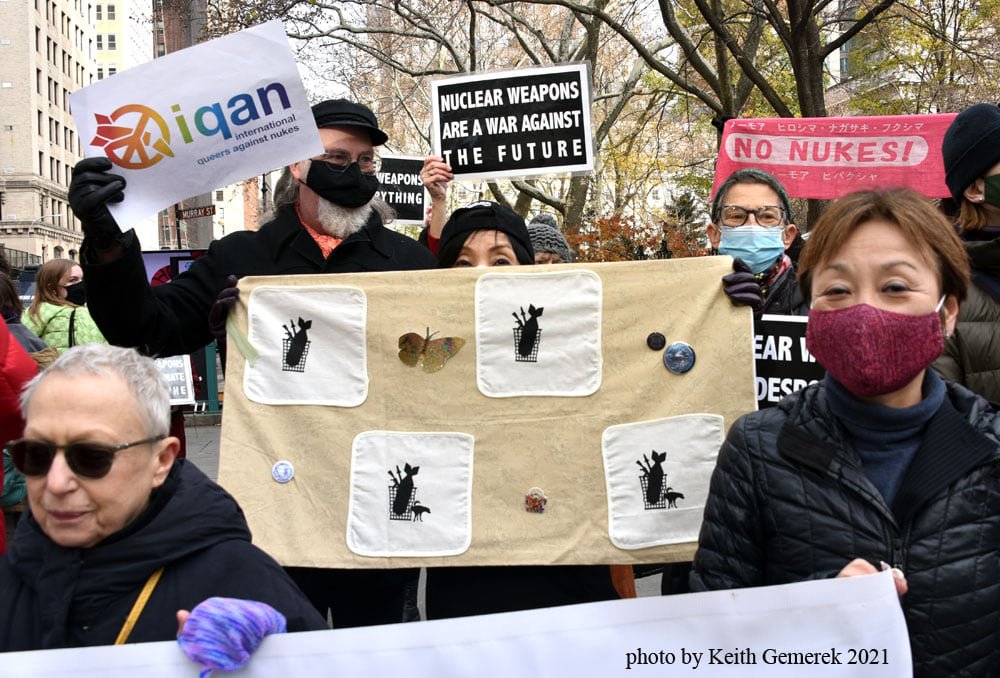
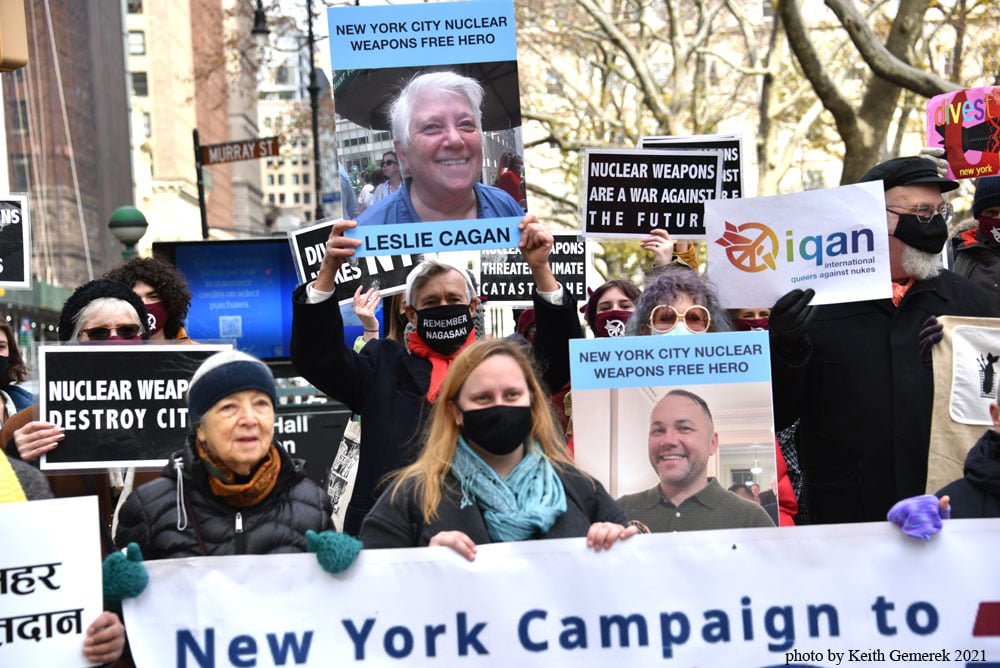
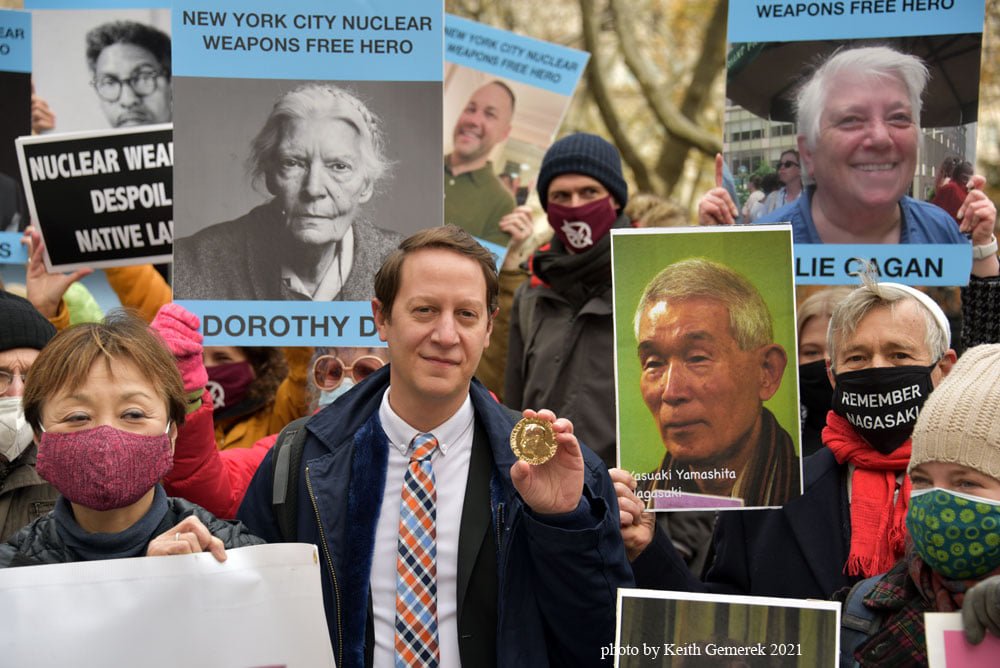
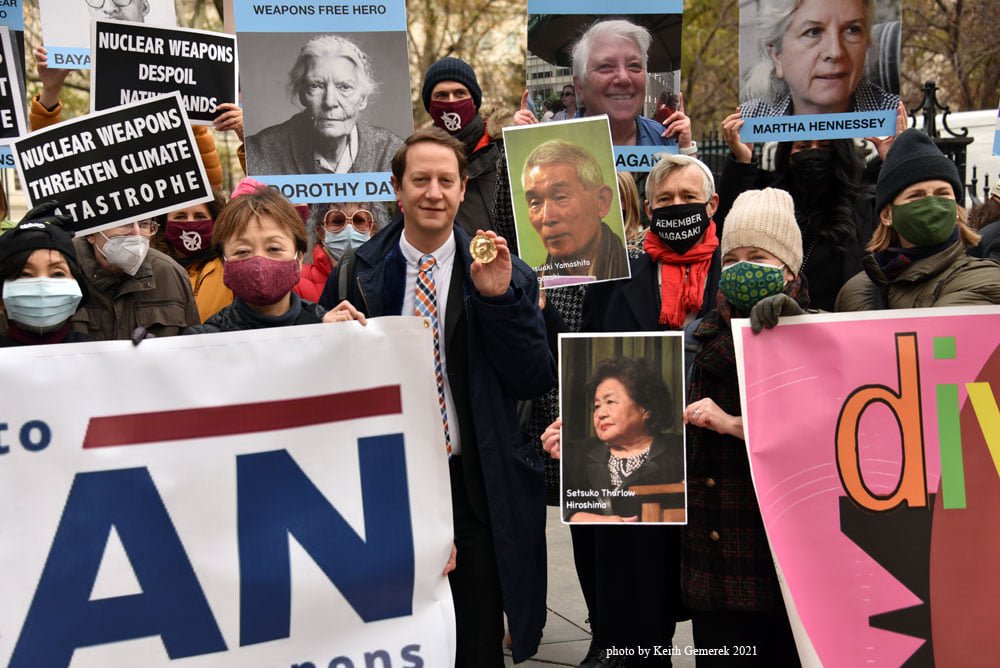
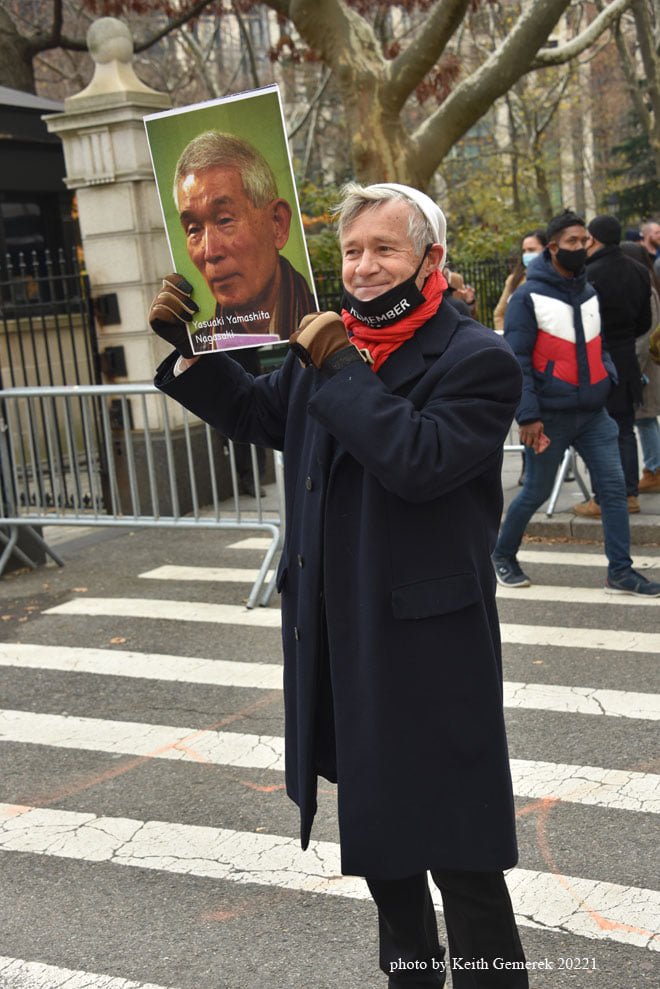
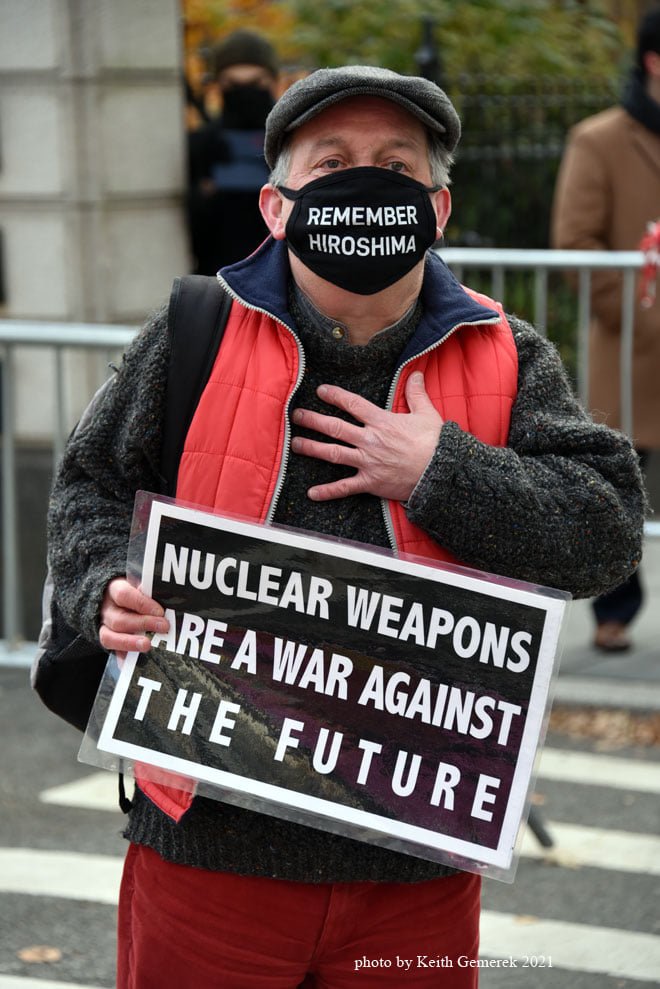
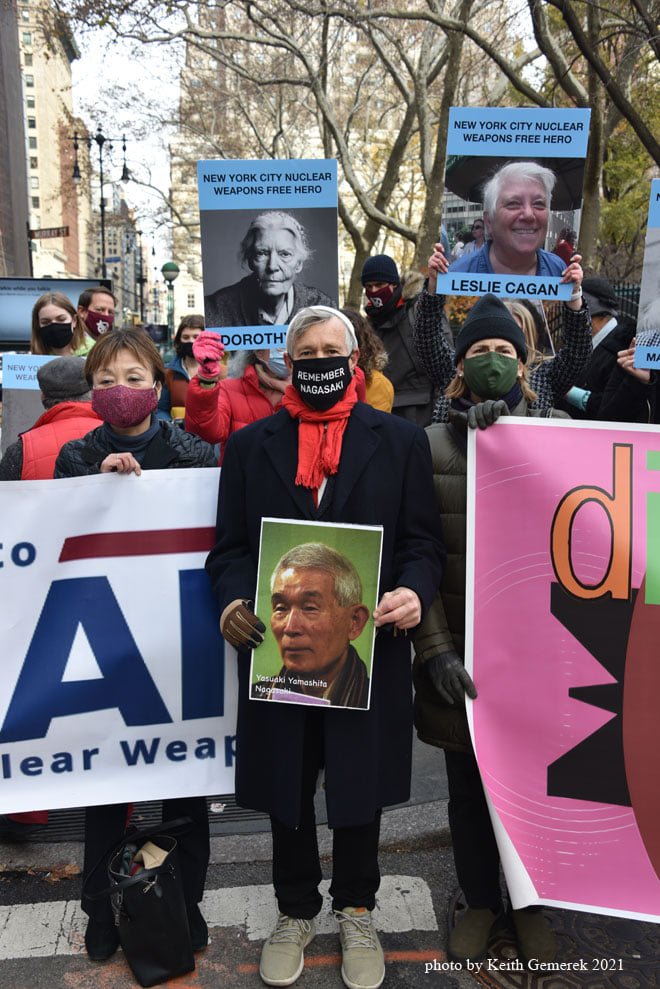
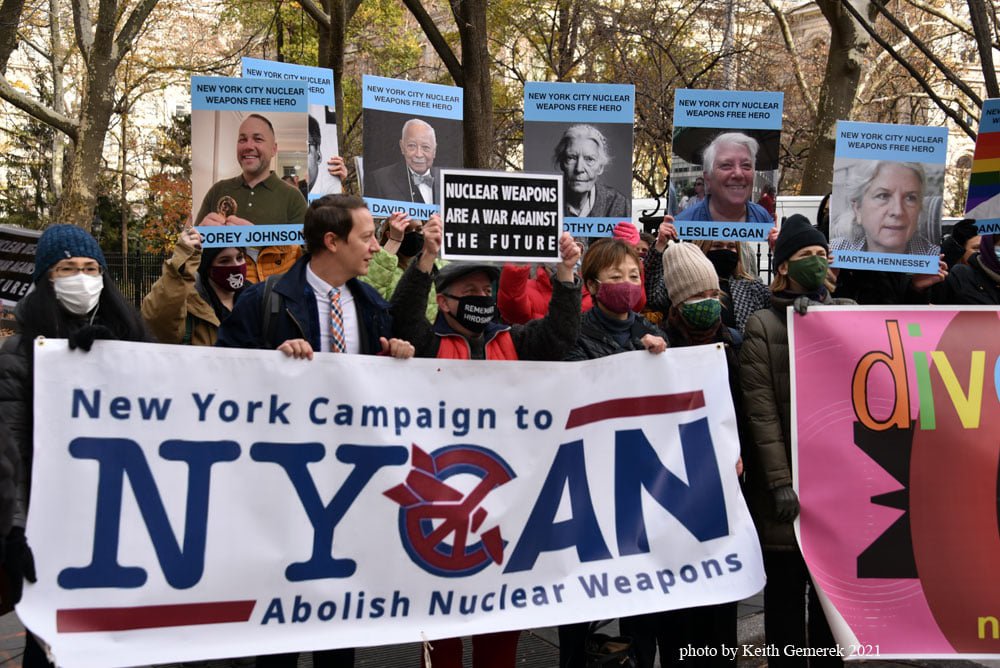
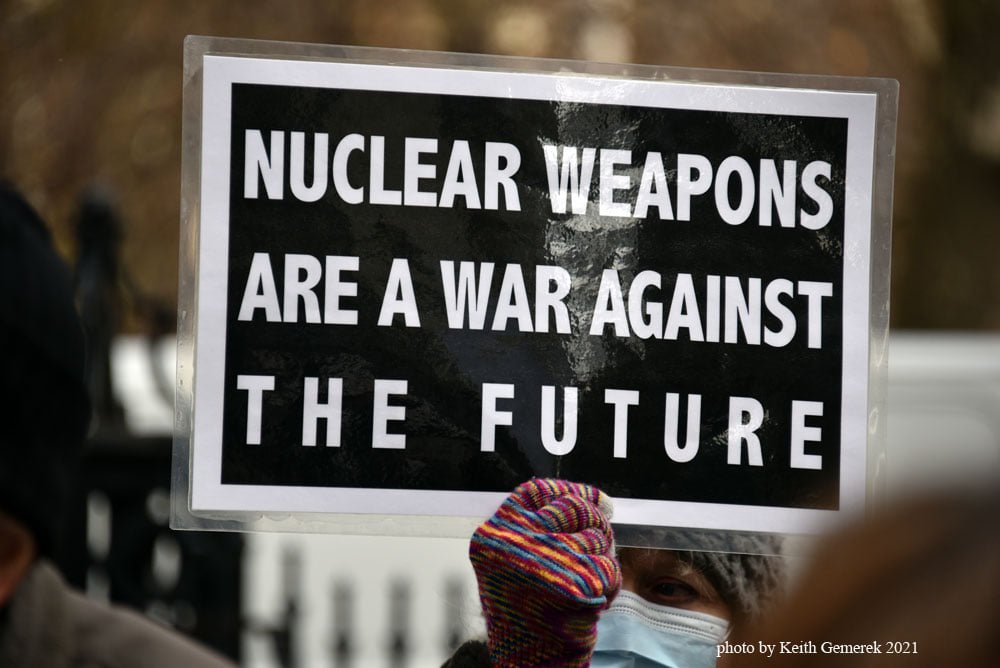
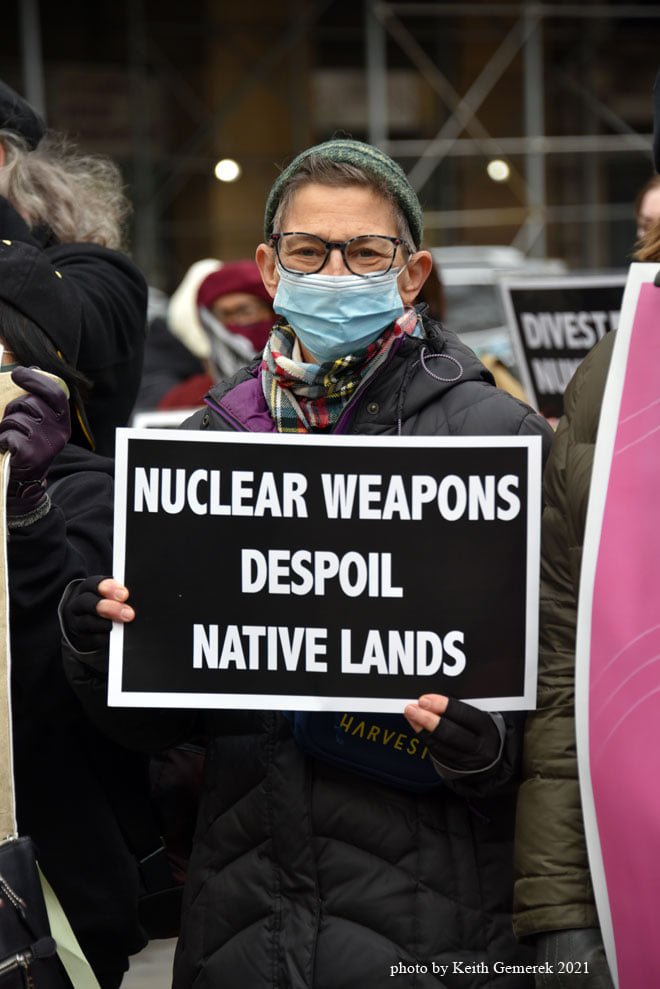
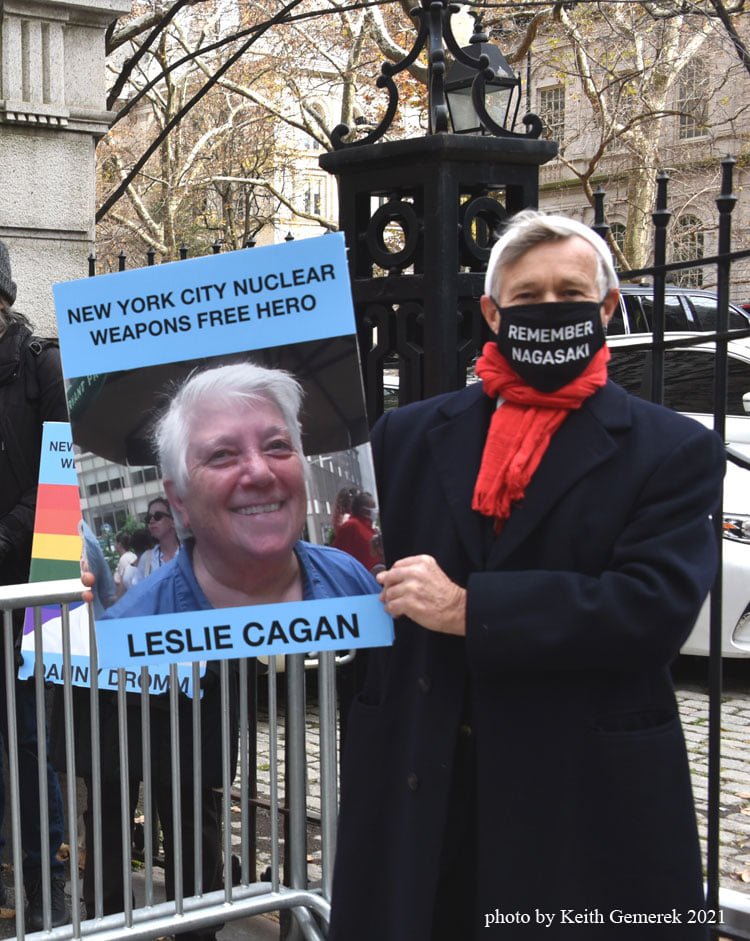
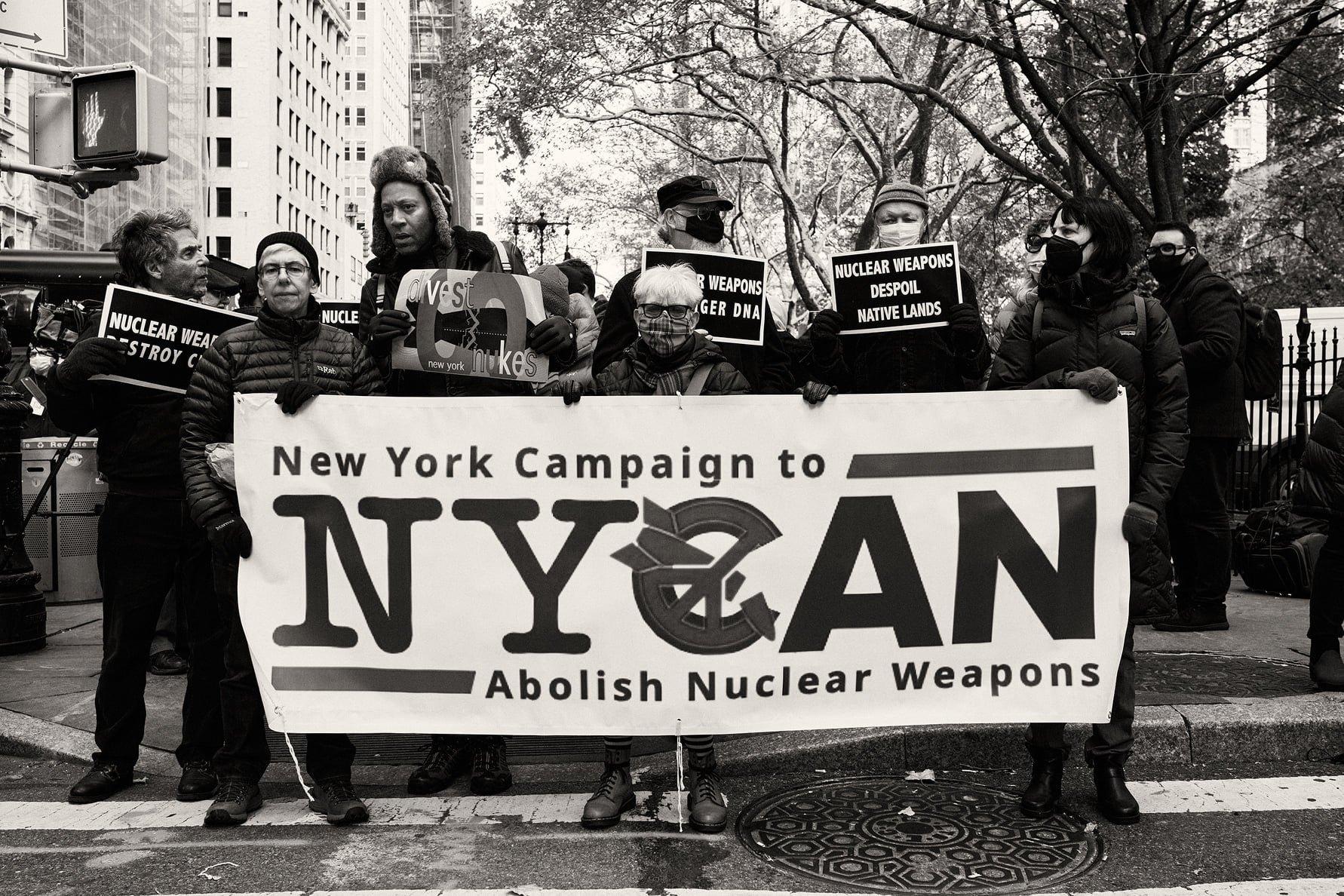
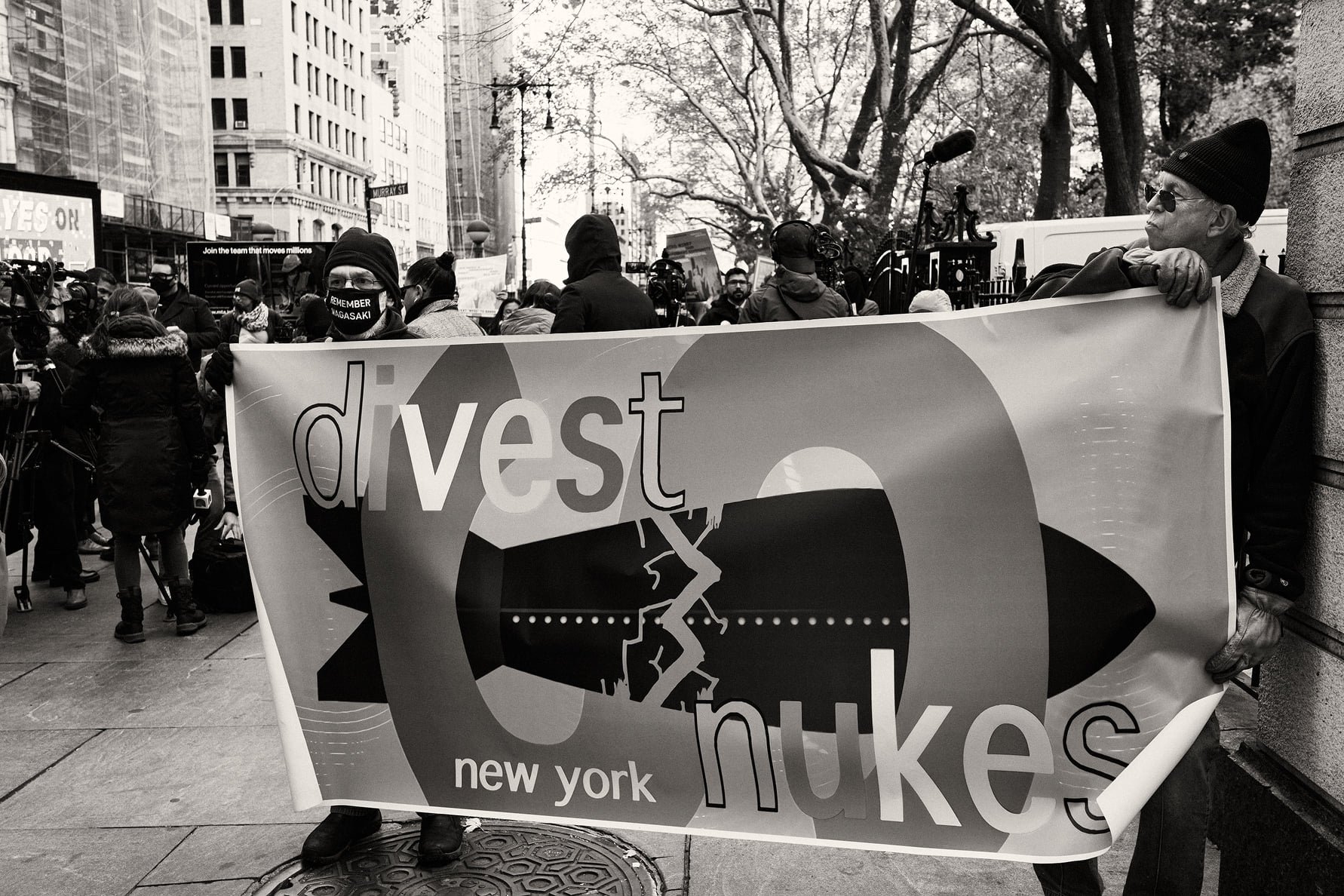
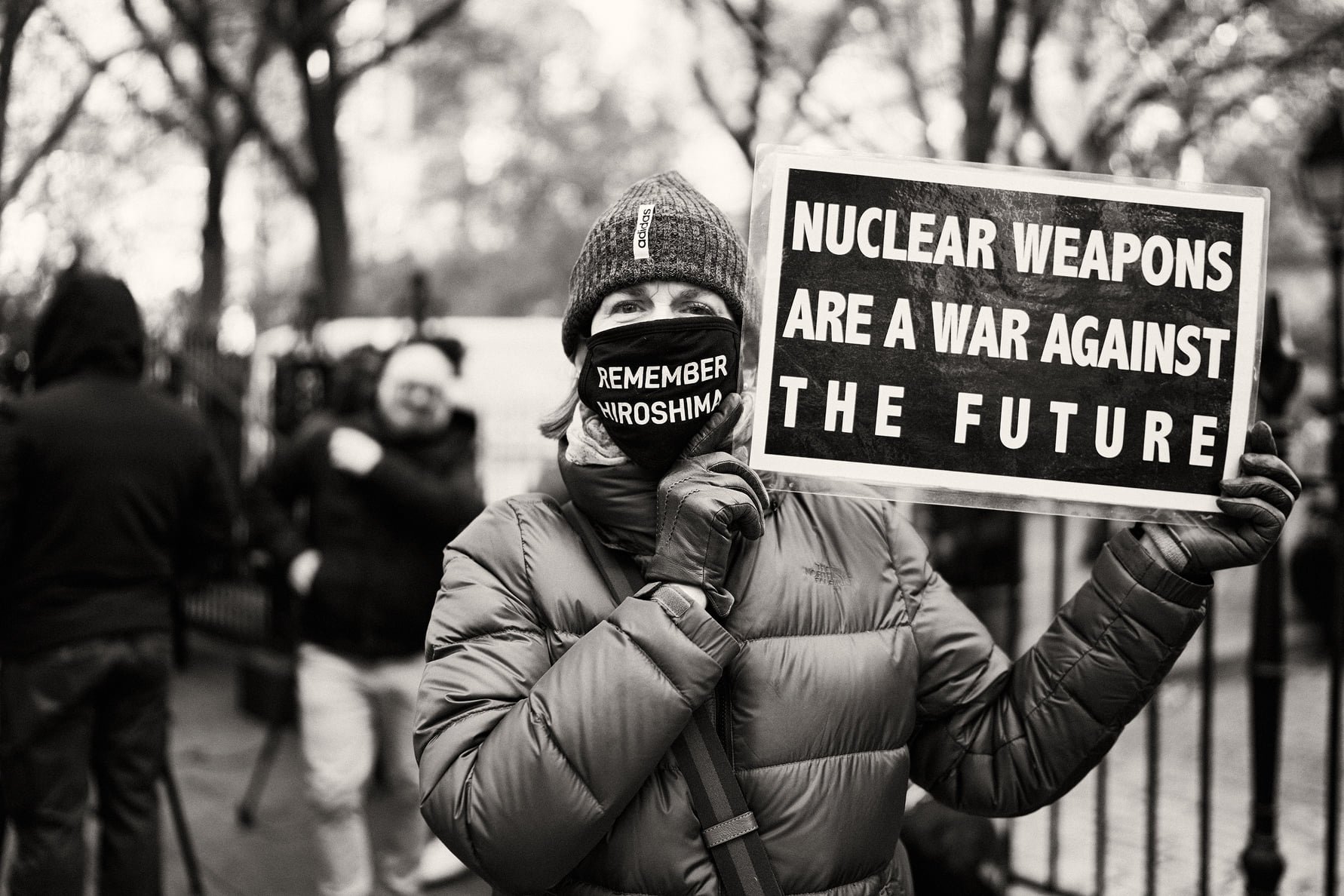
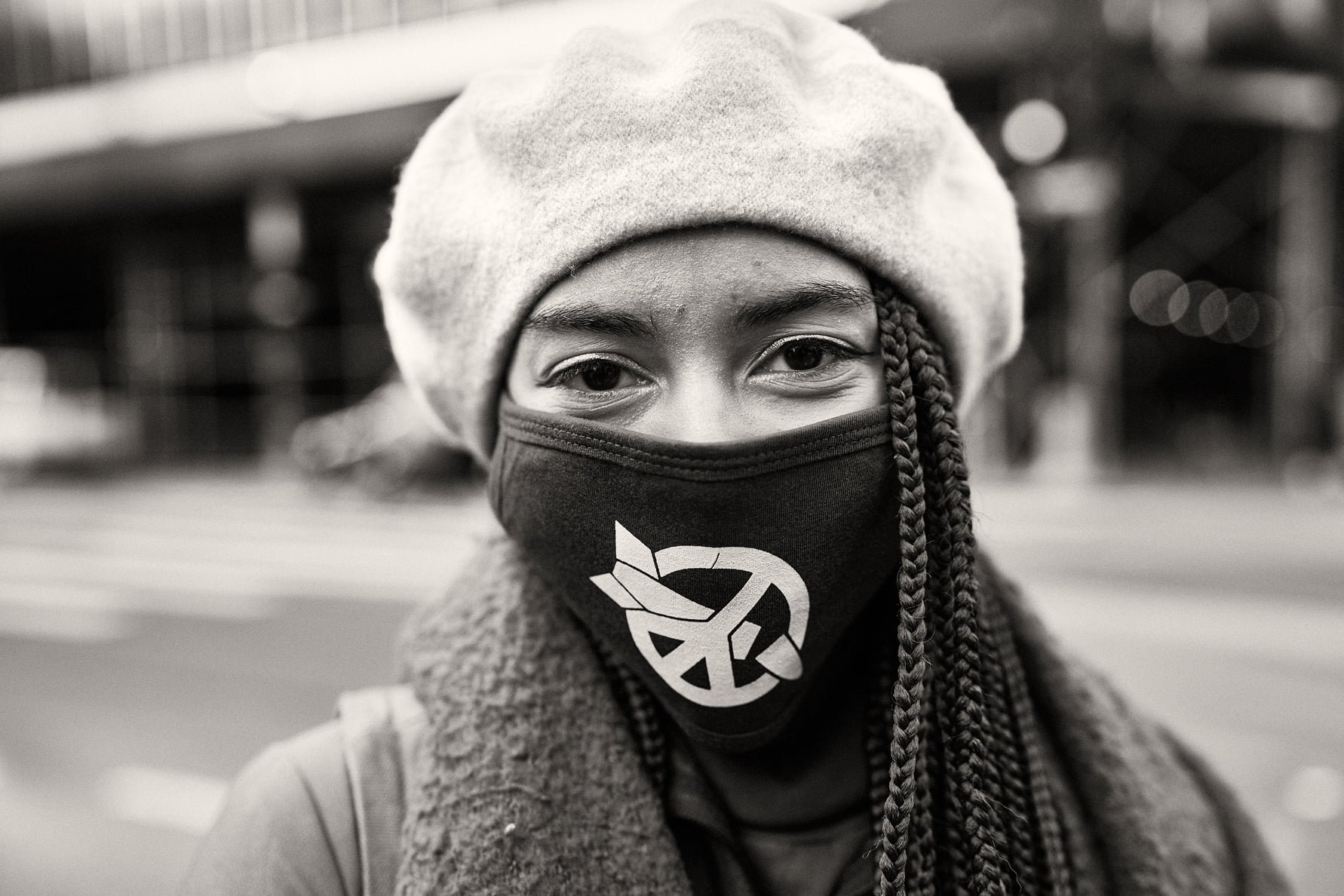
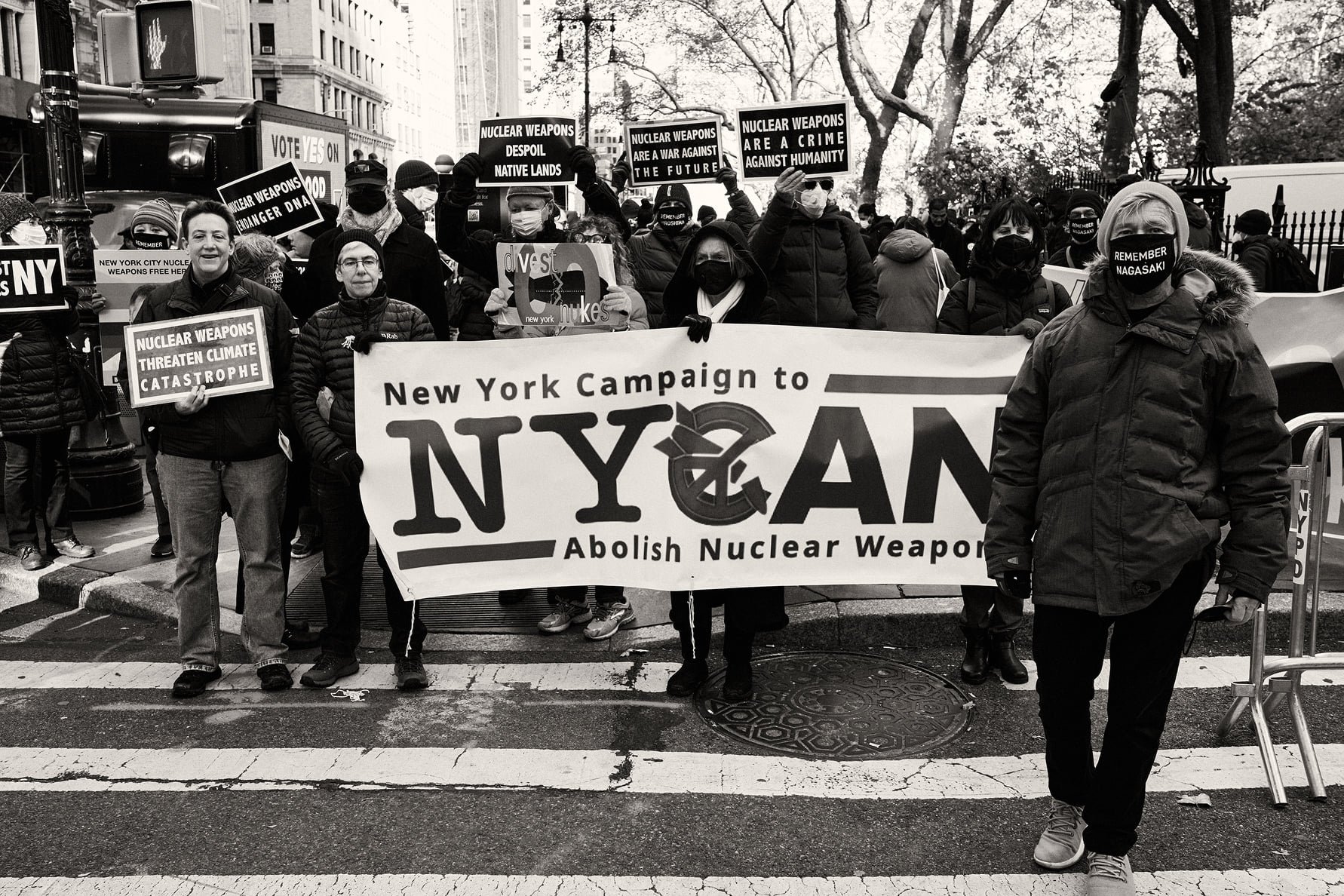
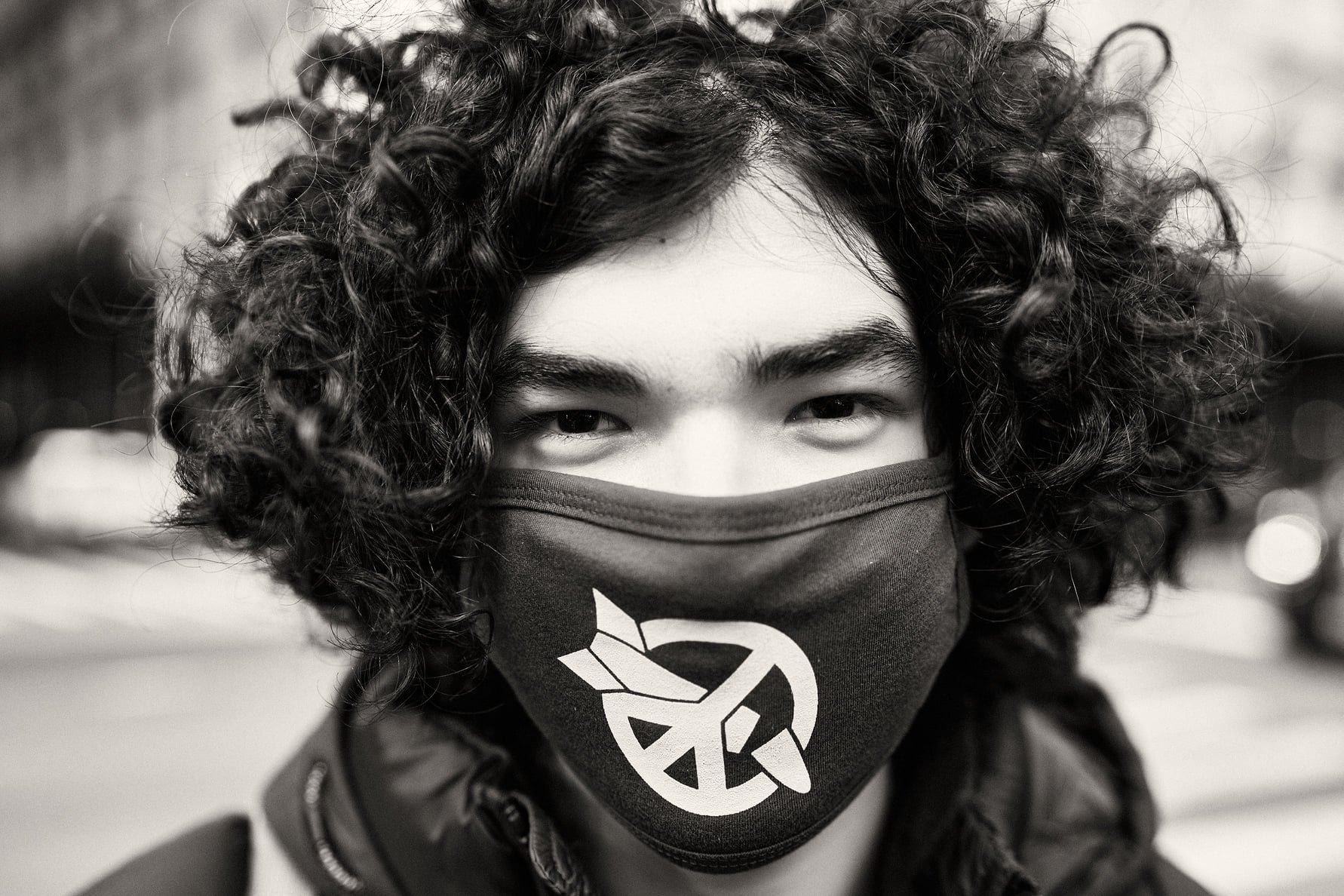
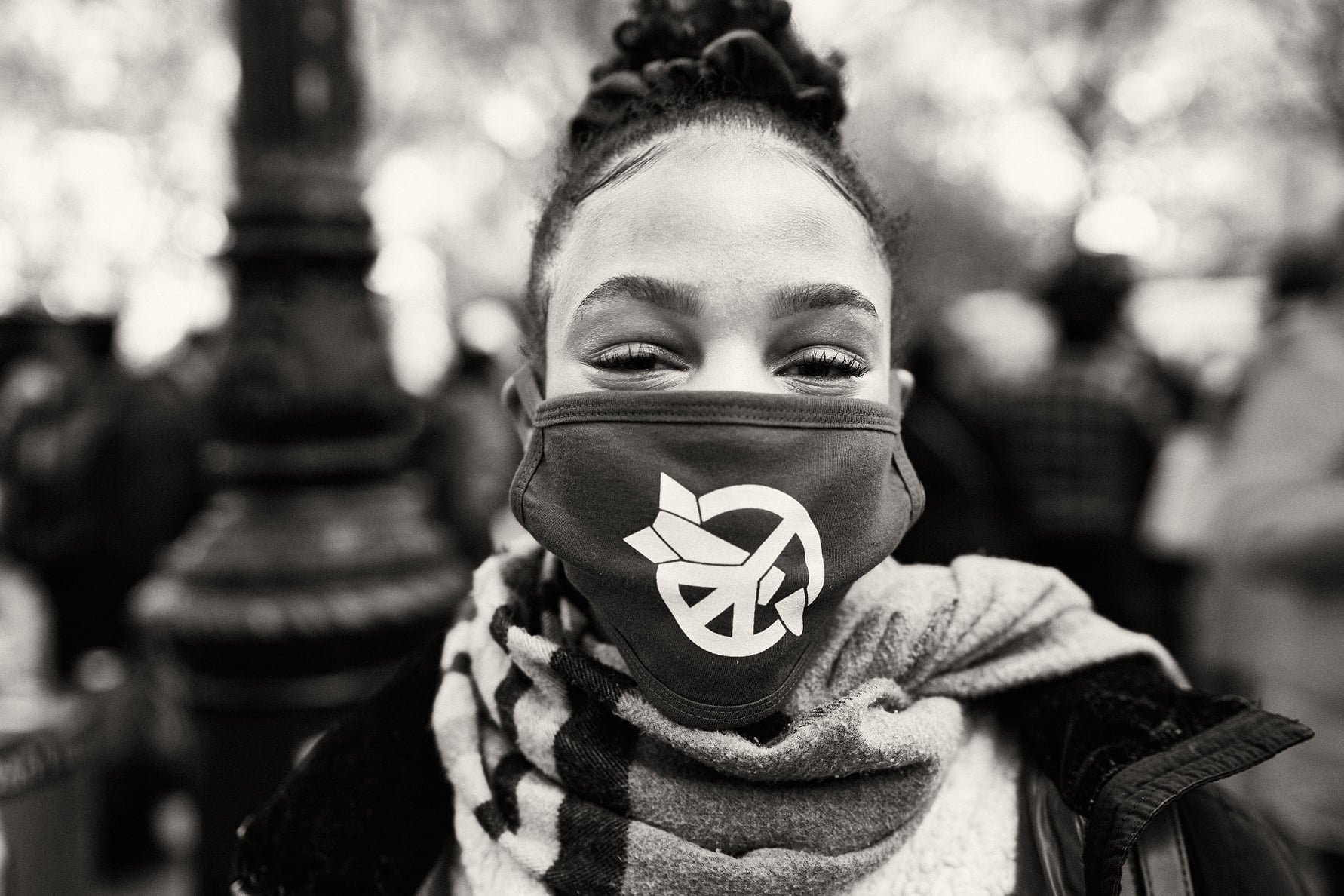
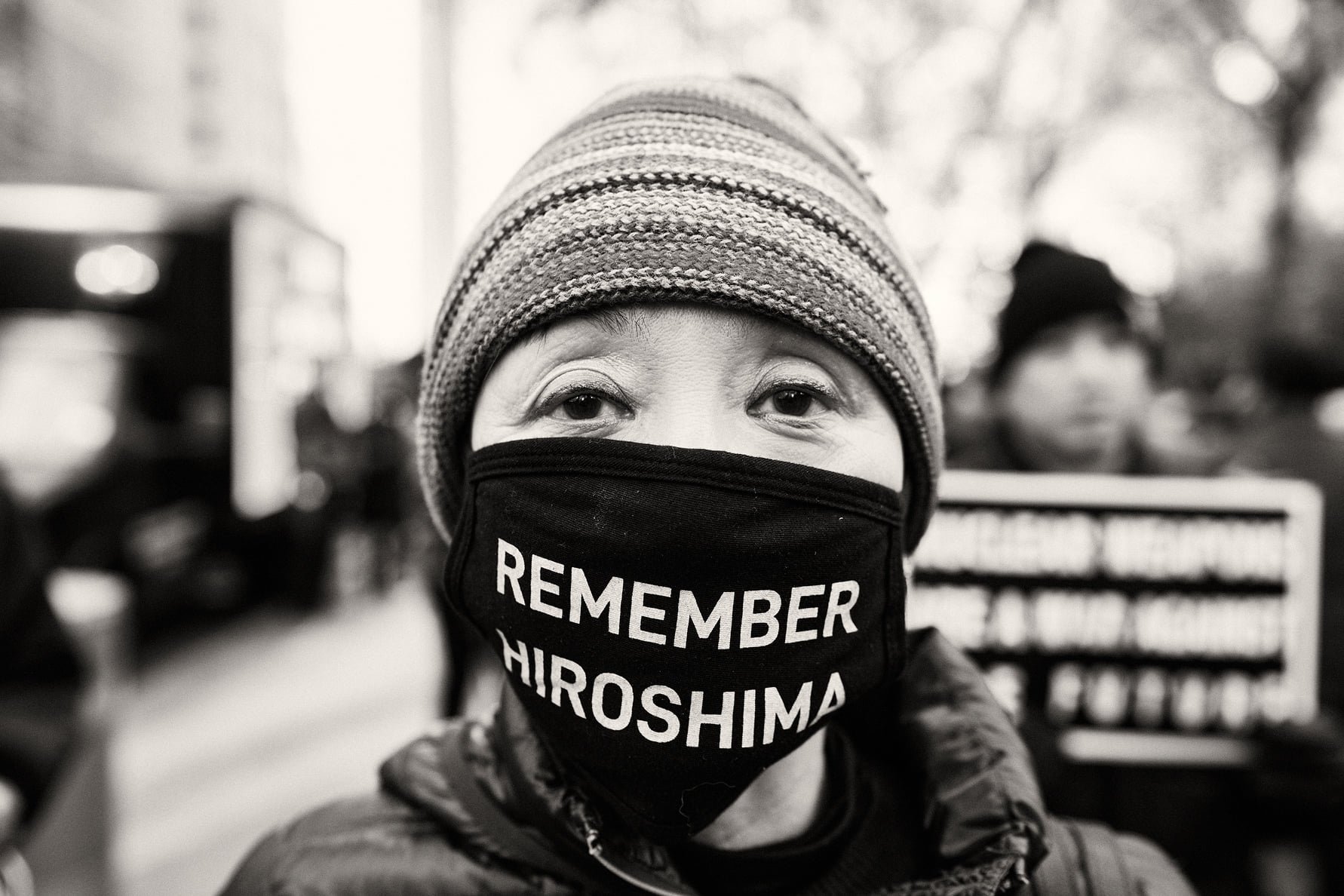
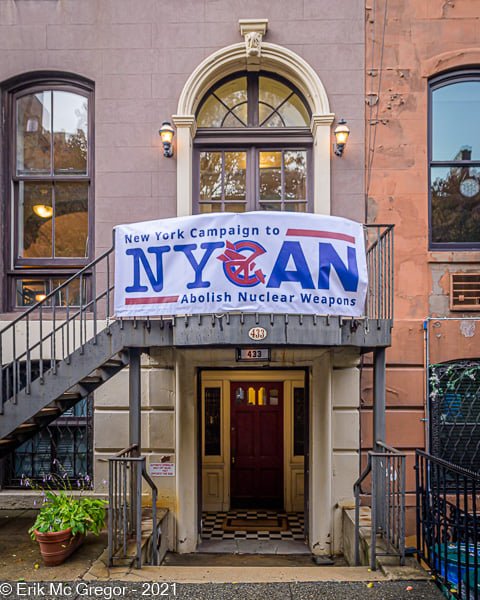
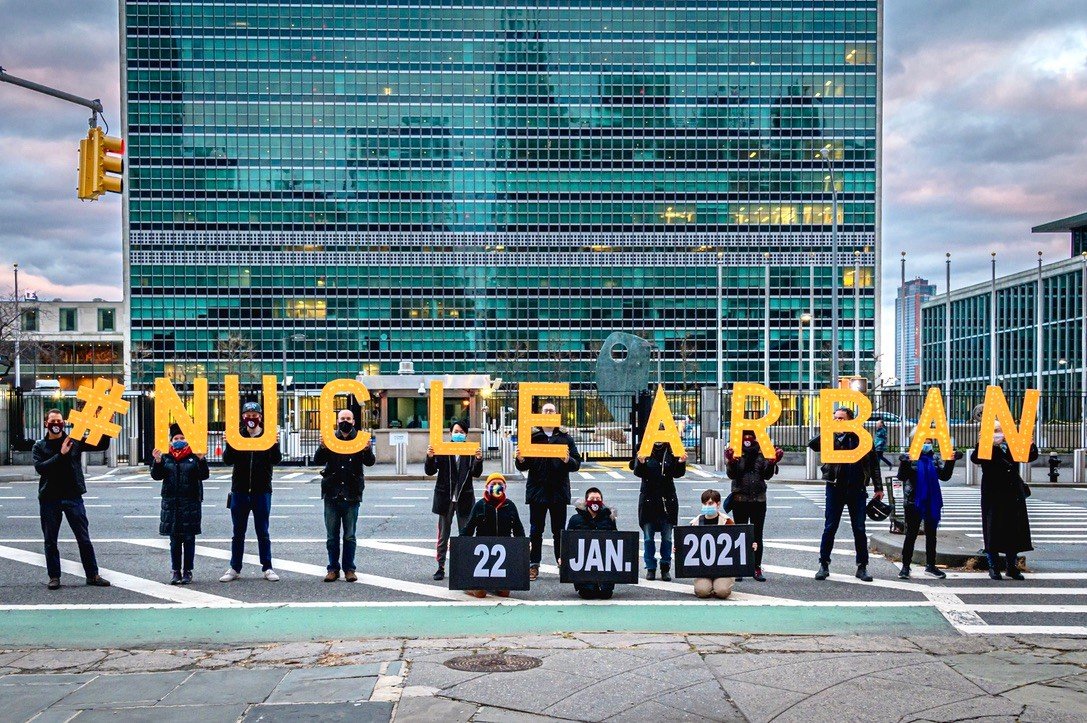
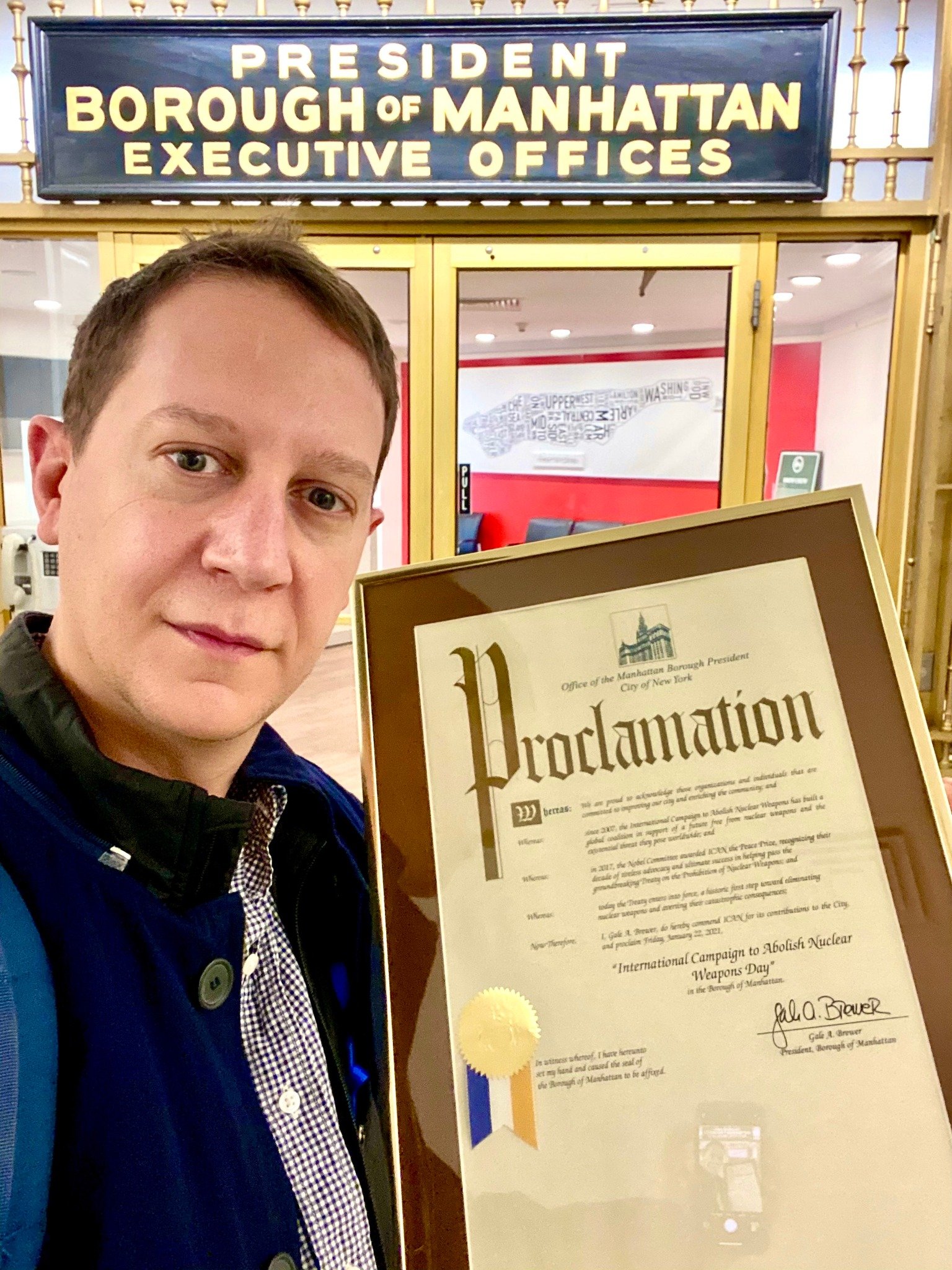
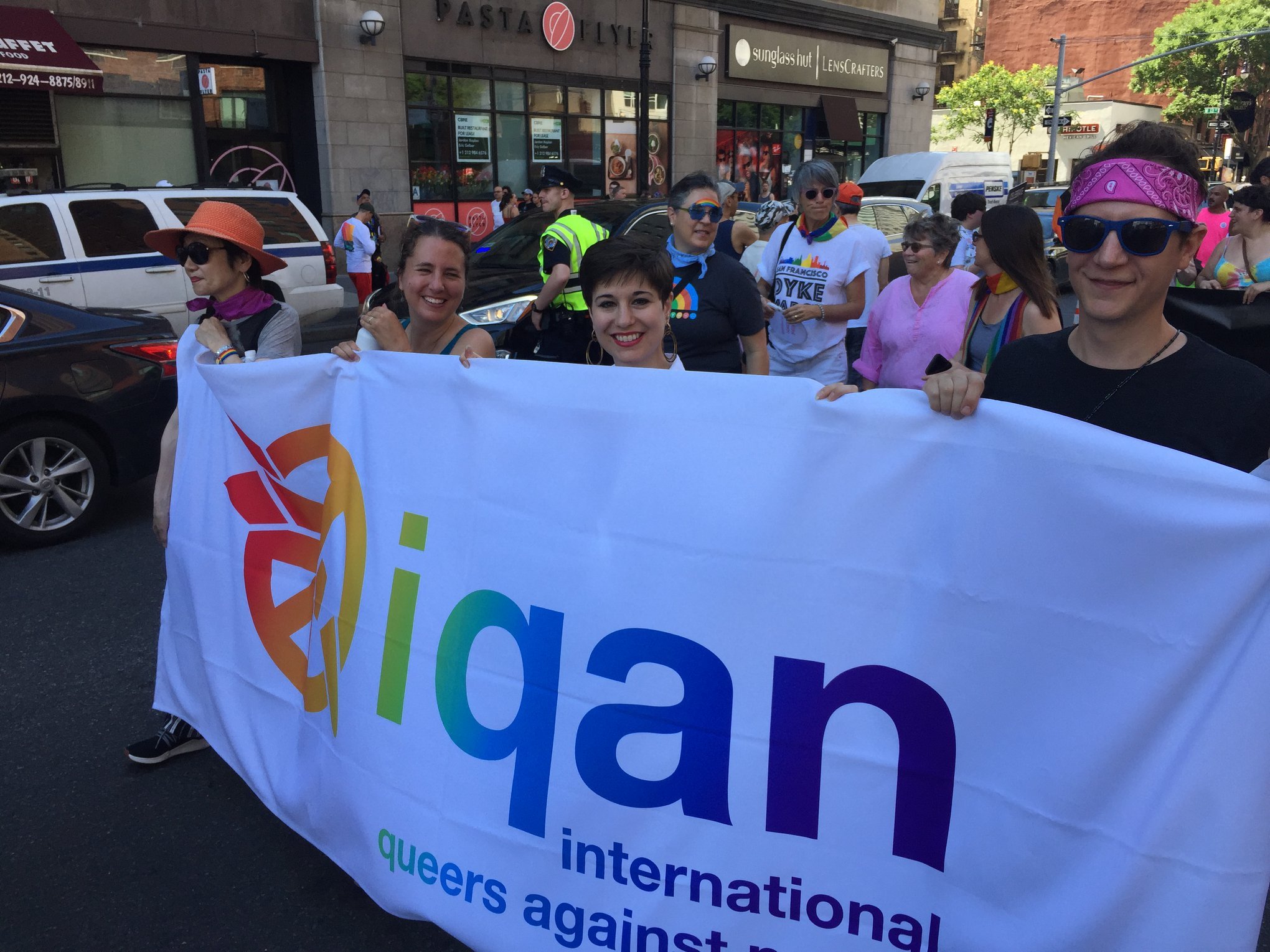
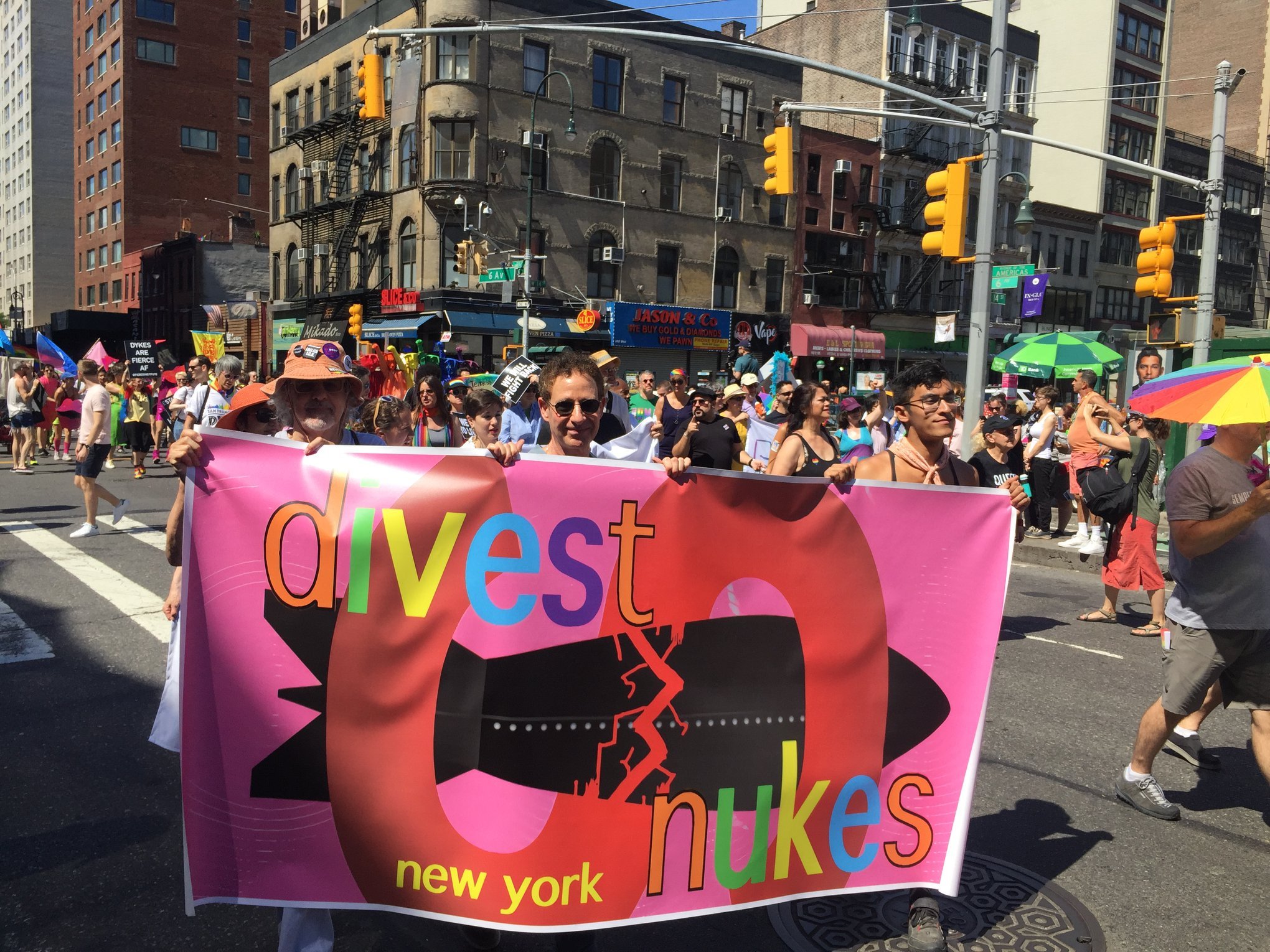
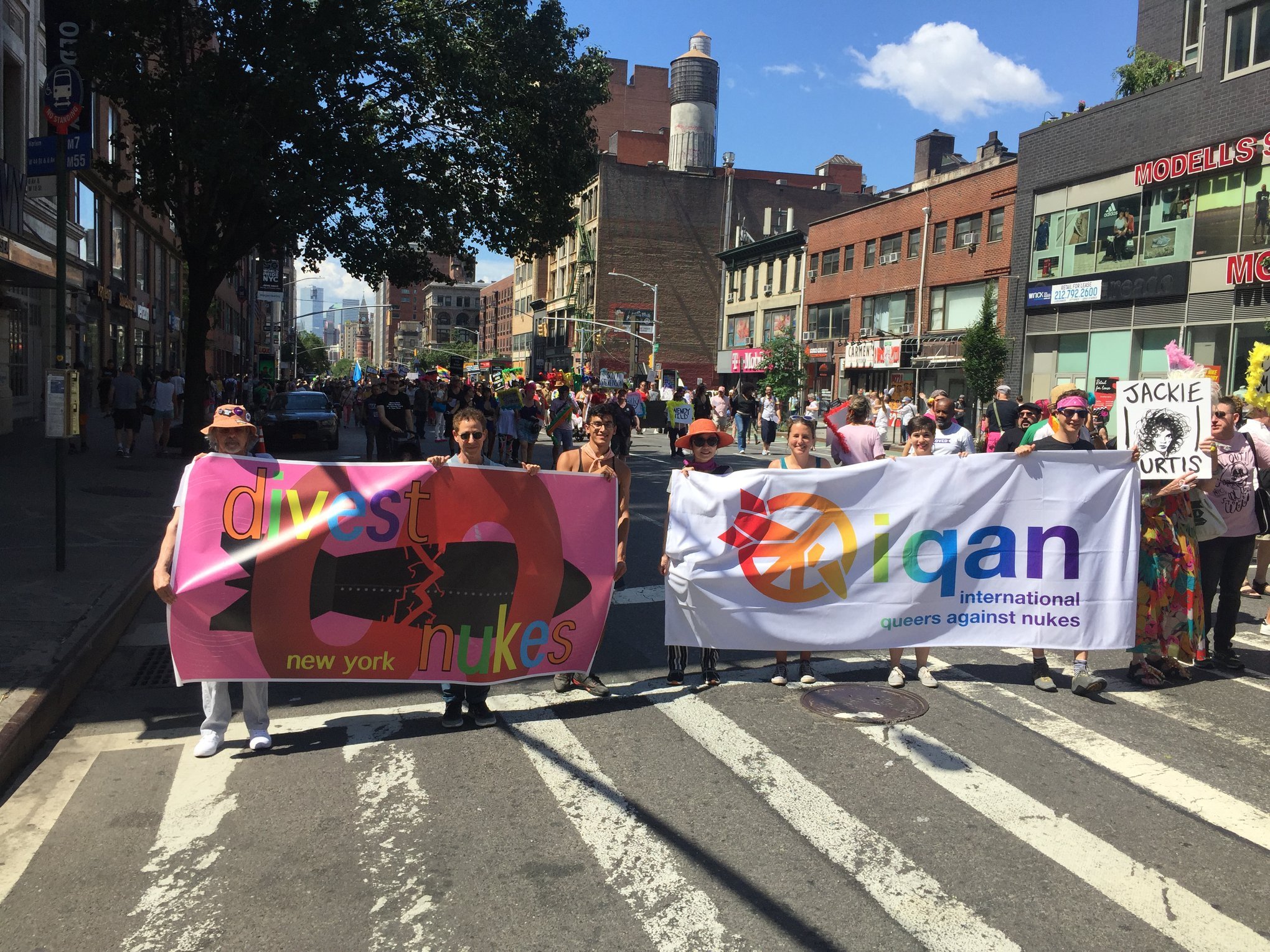
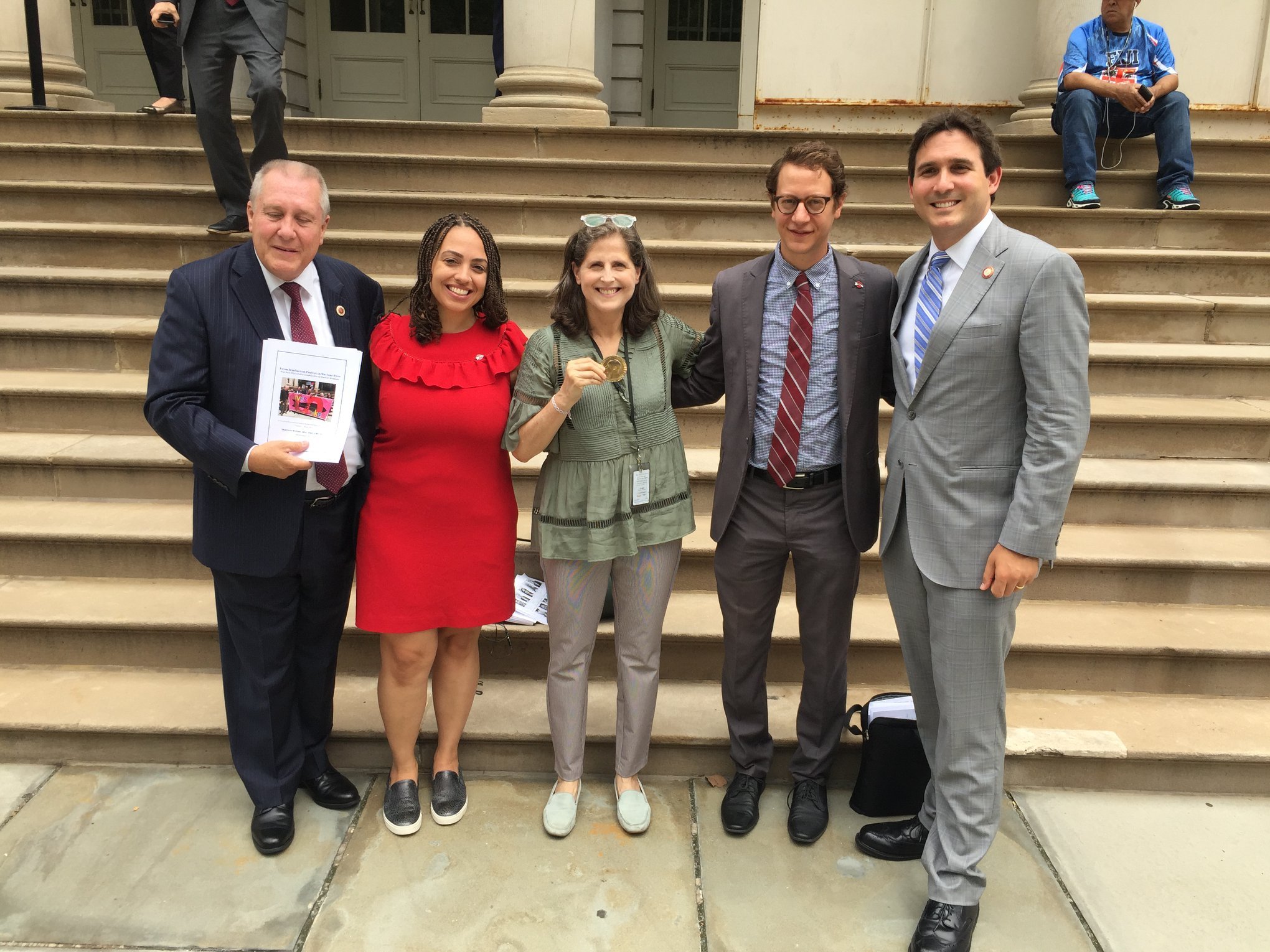
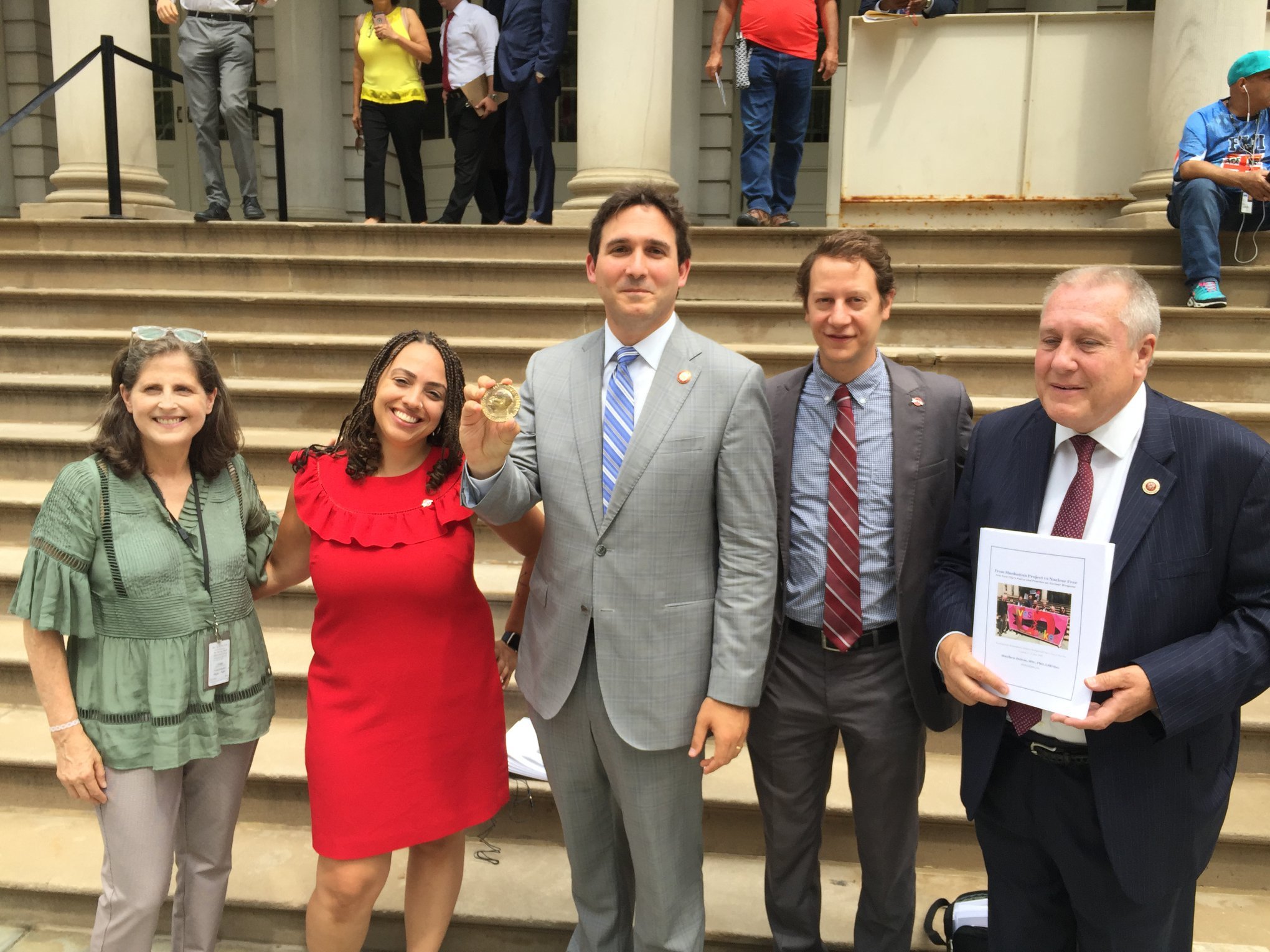
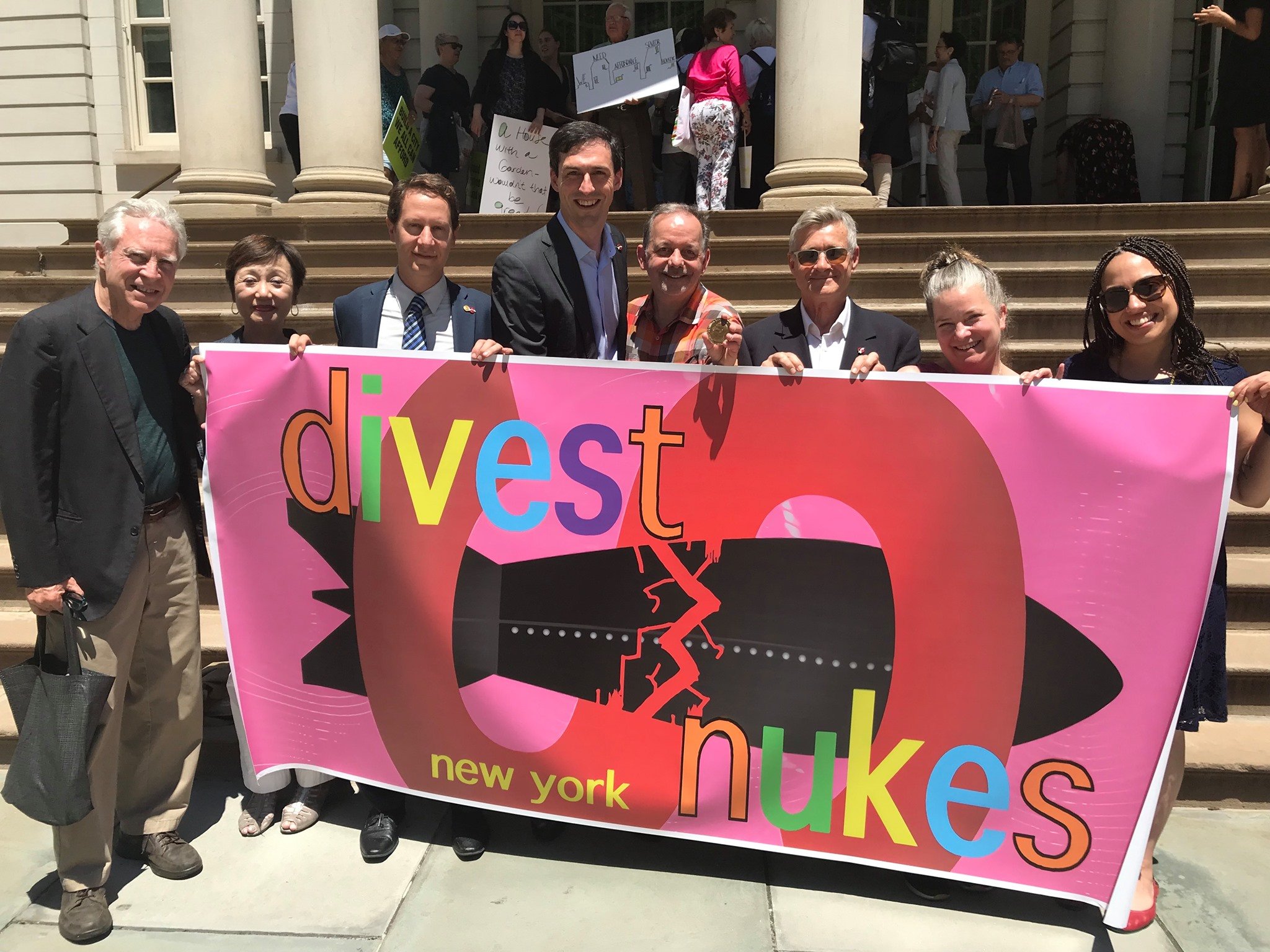
The legislation passed by New York City Council, introduced by Former Finance Chair, Council Member Danny Dromm (D-Jackson Heights, Elmhurst), reaffirms NYC as a Nuclear Weapons Free Zone, calls on the federal government to join the United Nations Treaty on the Prohibition of Nuclear Weapons (TPNW) and calls on the Comptroller to divest NYC’s pension funds from nuclear weapons producers. A separate bill creates an advisory committee to examine nuclear disarmament.
Our successful campaign was originally inspired by a letter to former Comptroller Scott Stringer penned by CM Dromm and signed by a supermajority of Council Members.
In the letter, Council Members, including Council Speaker Corey Johnson, asked the Comptroller
“make a public announcement that New York City will work with our asset managers to prevent investment in companies linked to the production of nuclear weapons. Our divestment would send a clear signal to financial institutions and corporations around the world that hard-working New Yorkers refuse to derive monetary benefit from this sordid and arguably illegal industry.”
NYCAN members have been active in advocating for and working on the TPNW. This historic treaty was adopted by 122 UN member states on July 7, 2017. The TPNW outlaws developing, testing, producing, manufacturing, transferring, possessing, using, or threatening to use nuclear weapons.
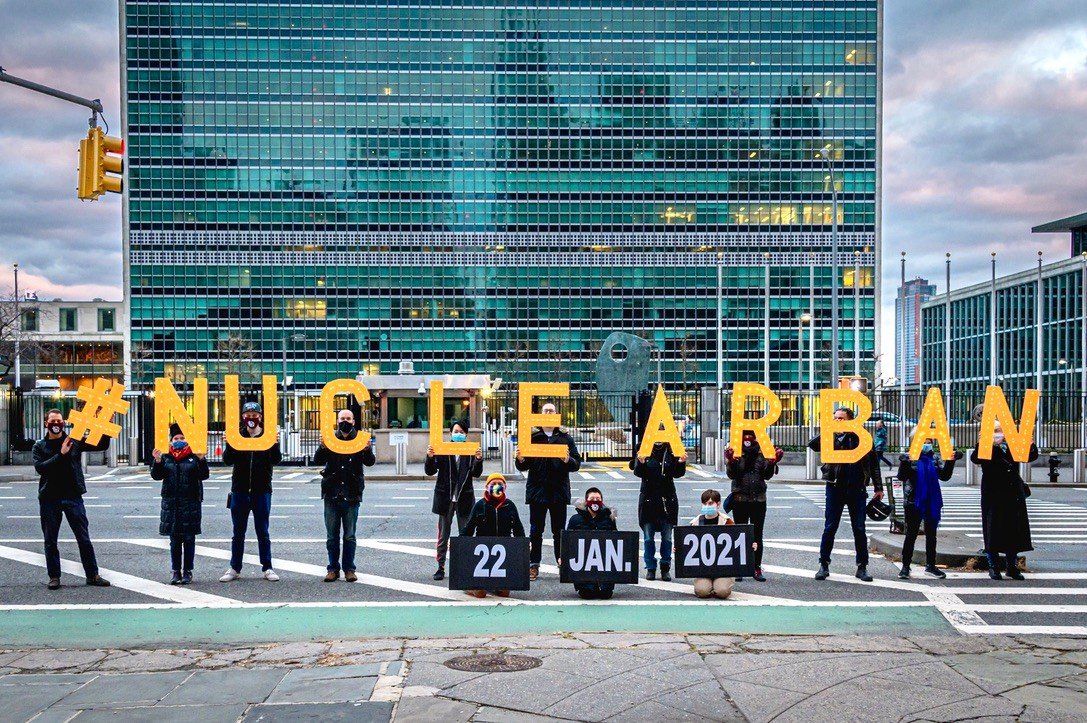
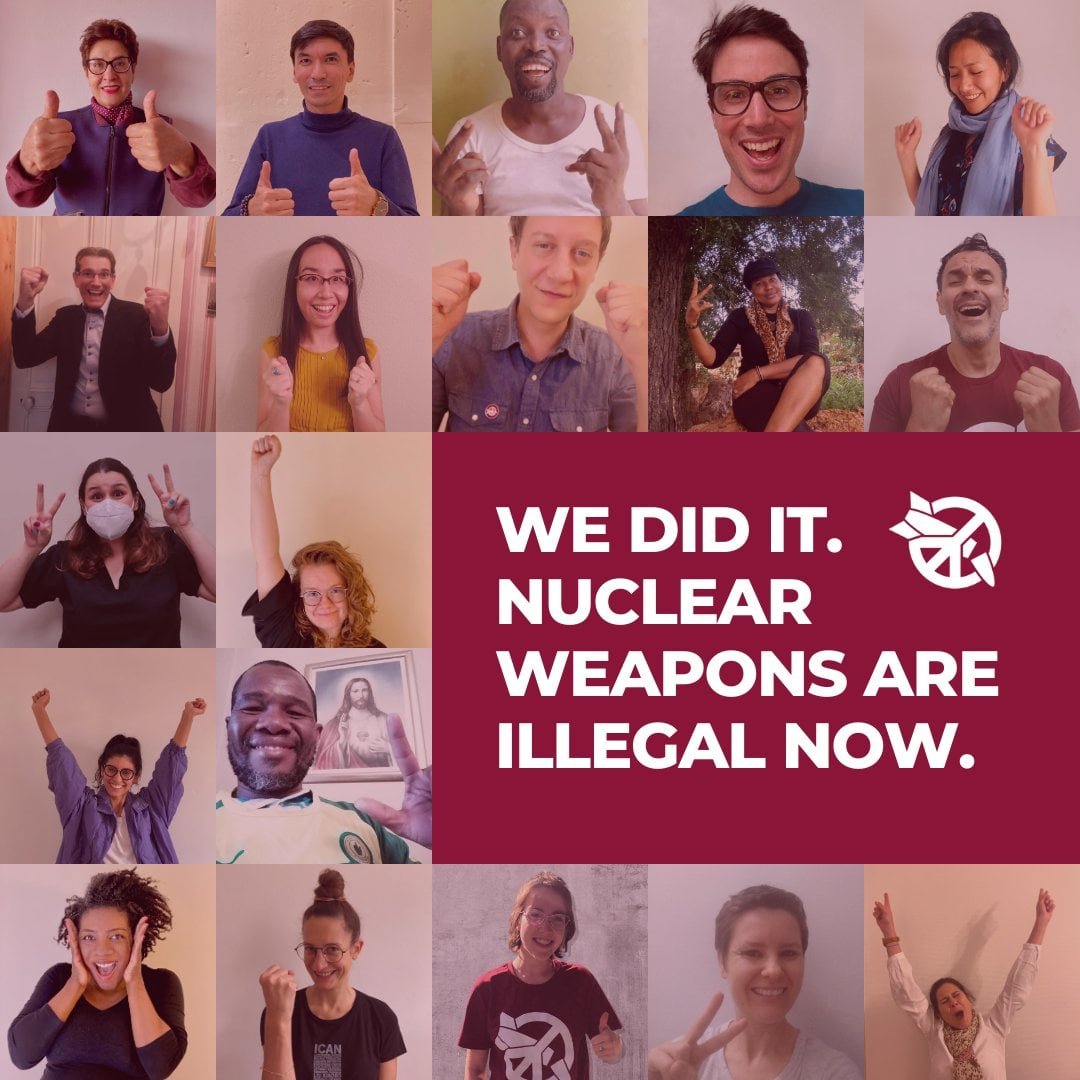
On January 22, 2021, the Treaty on the Prohibition of Nuclear Weapons entered into force. Here is our journey.
Since 2018 we have accomplished the following, and more:
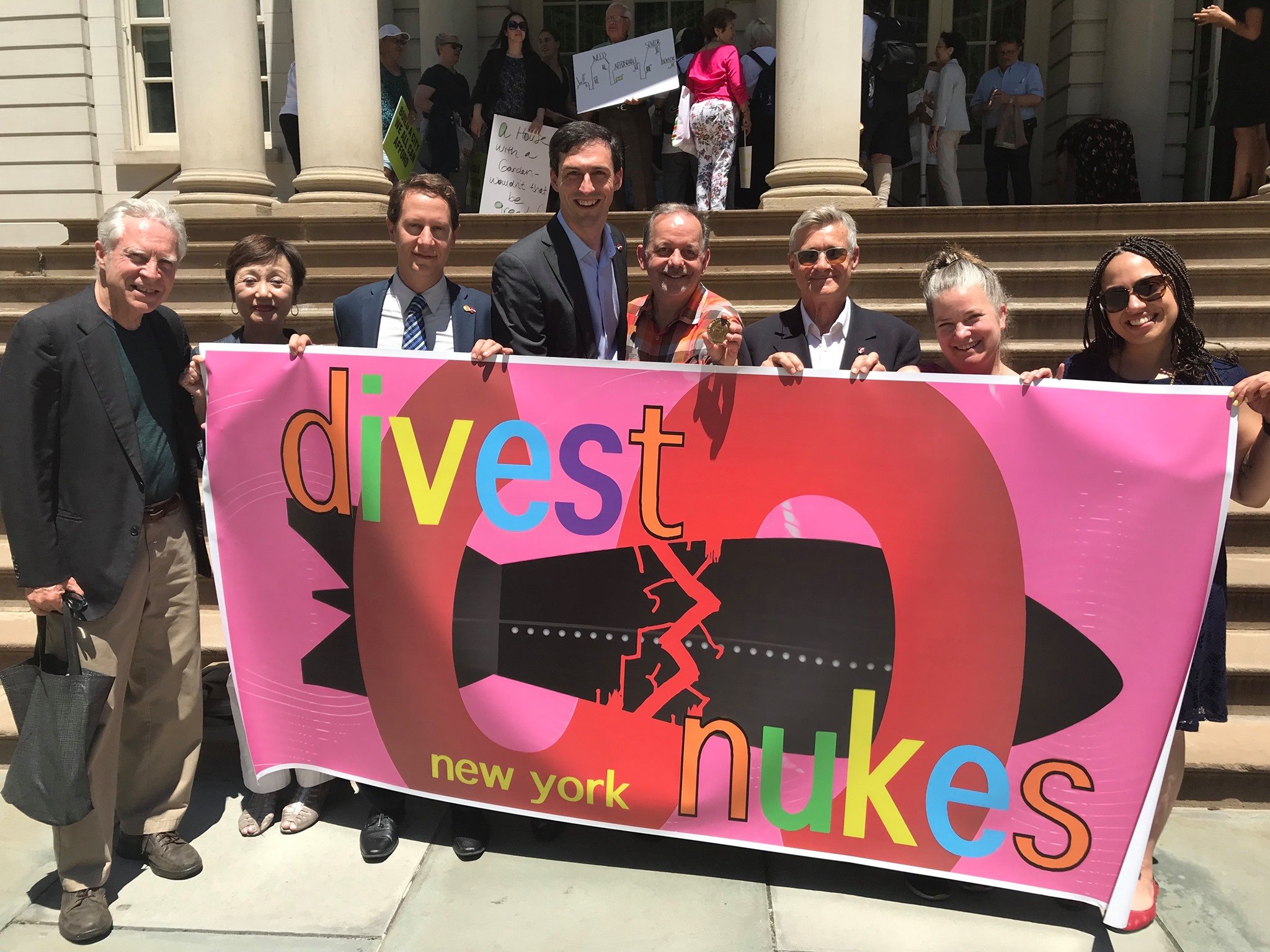
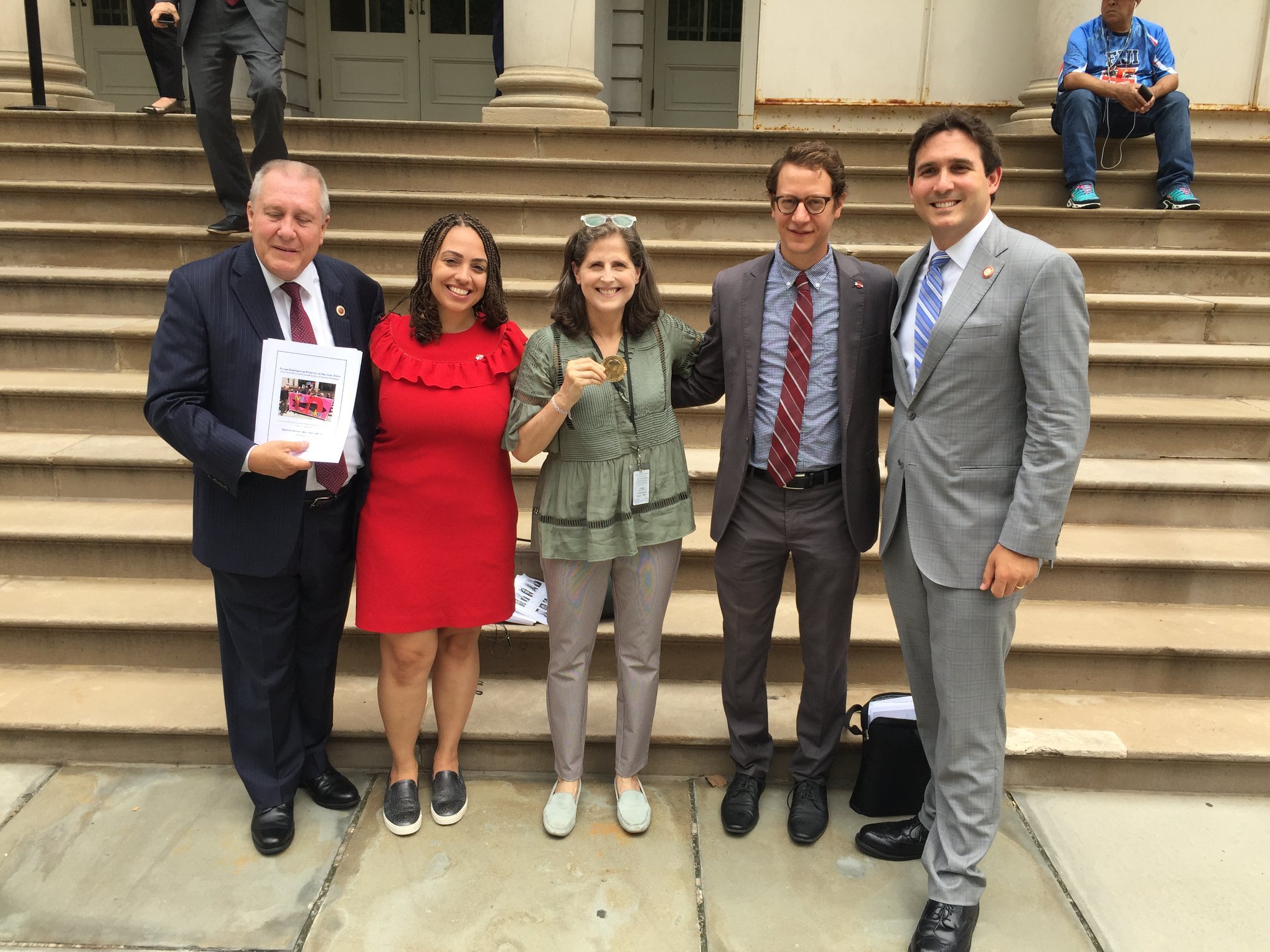
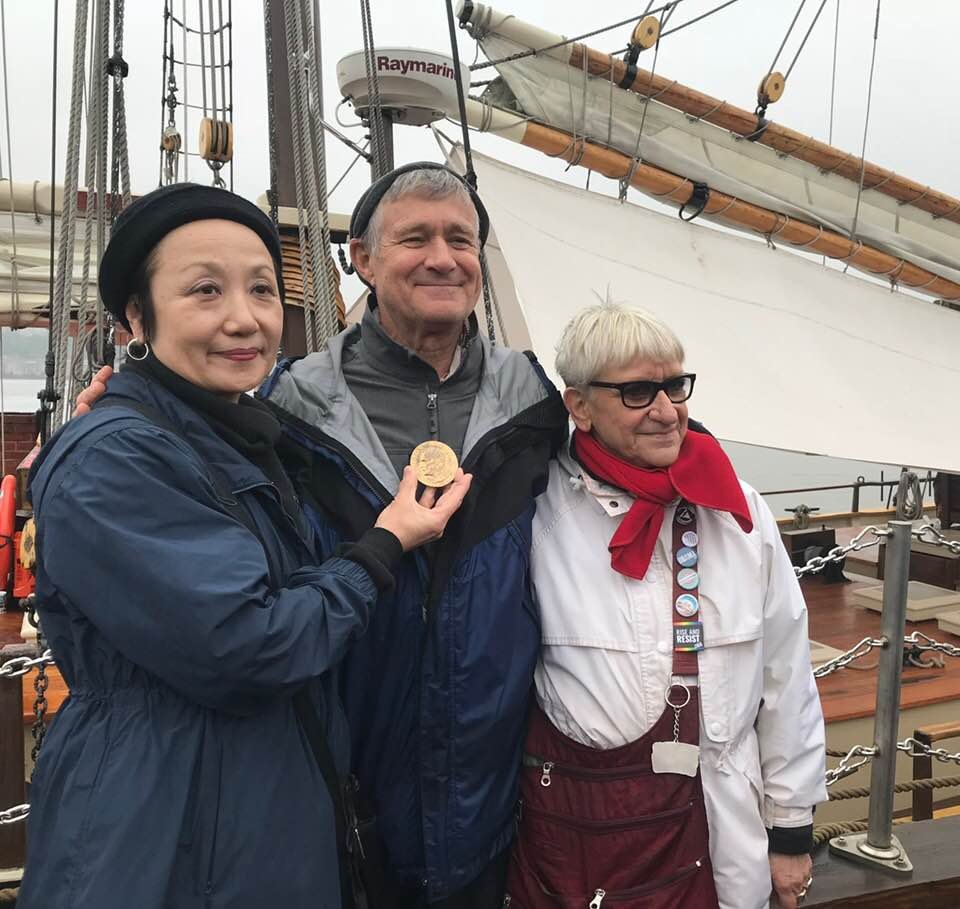
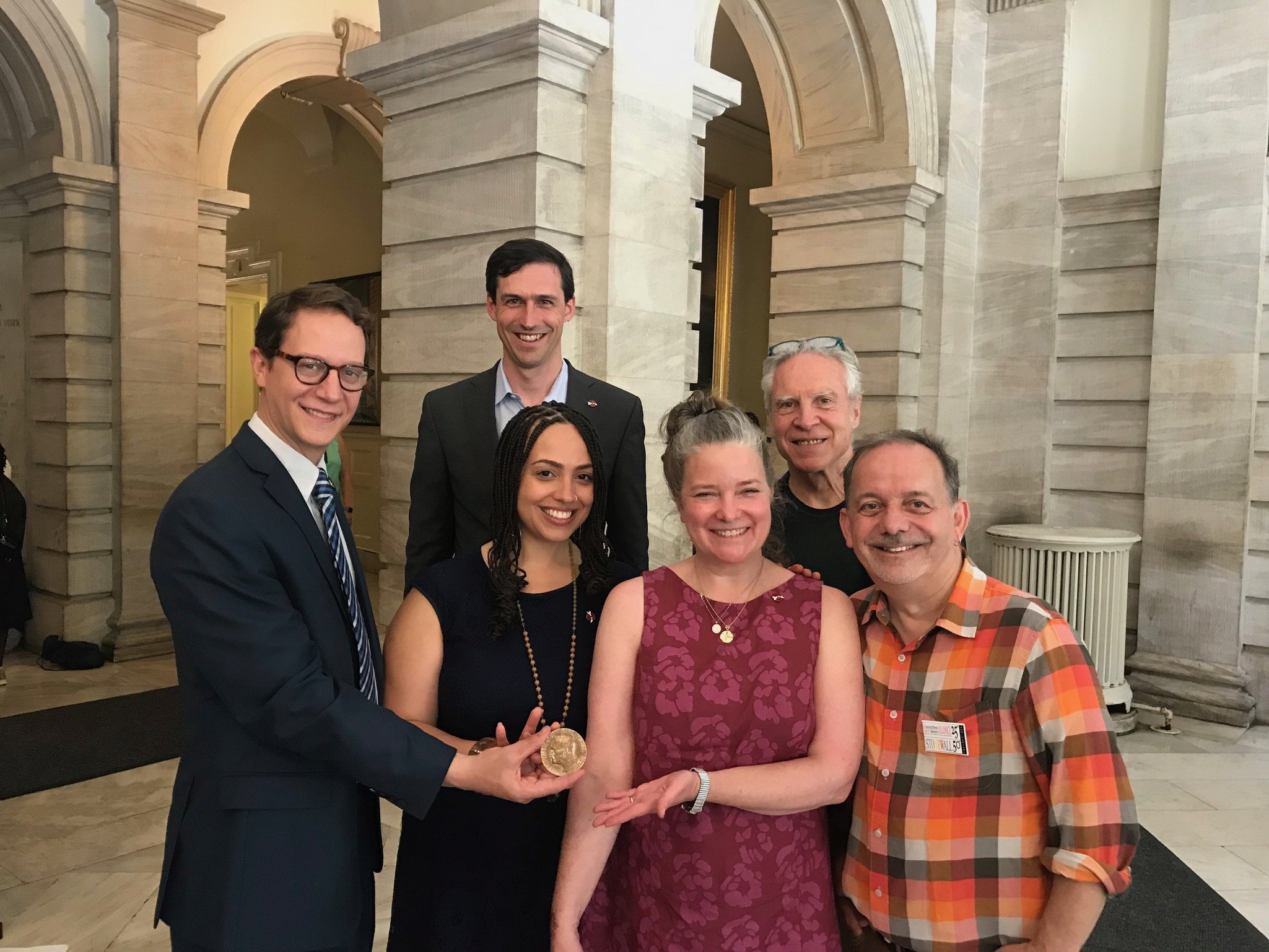
-
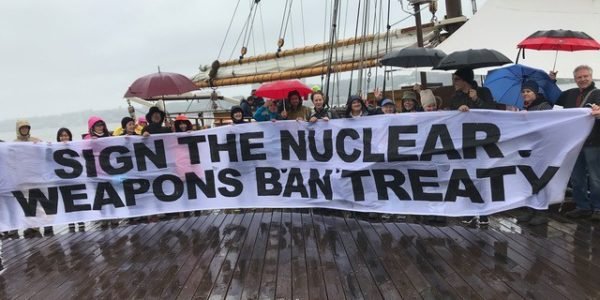
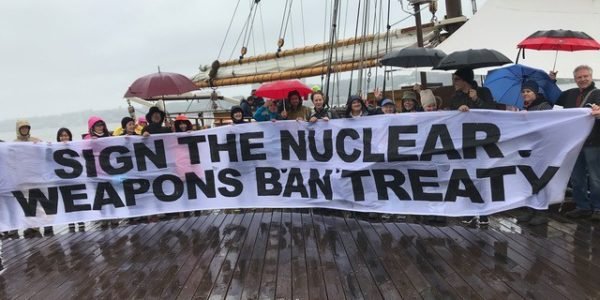
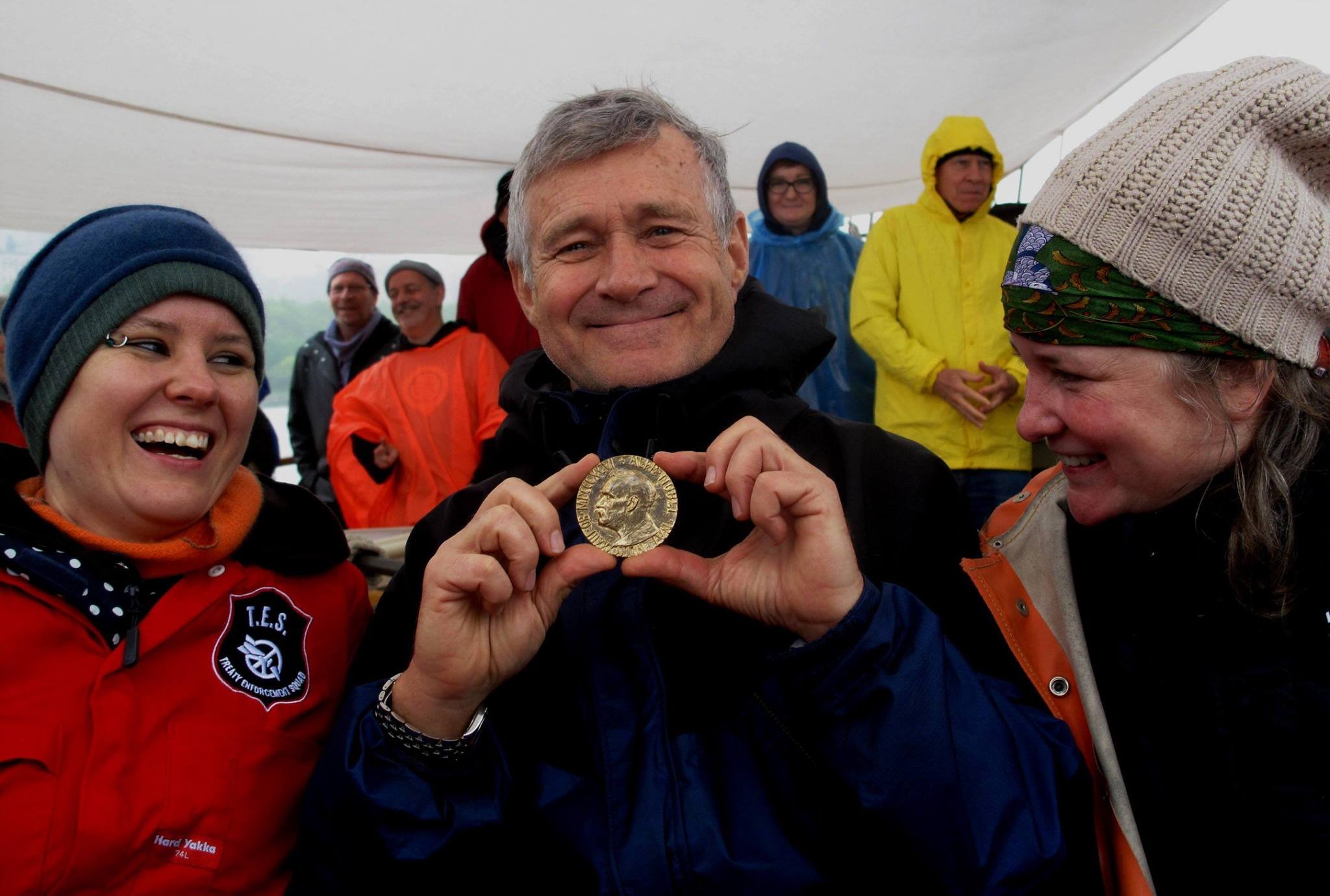
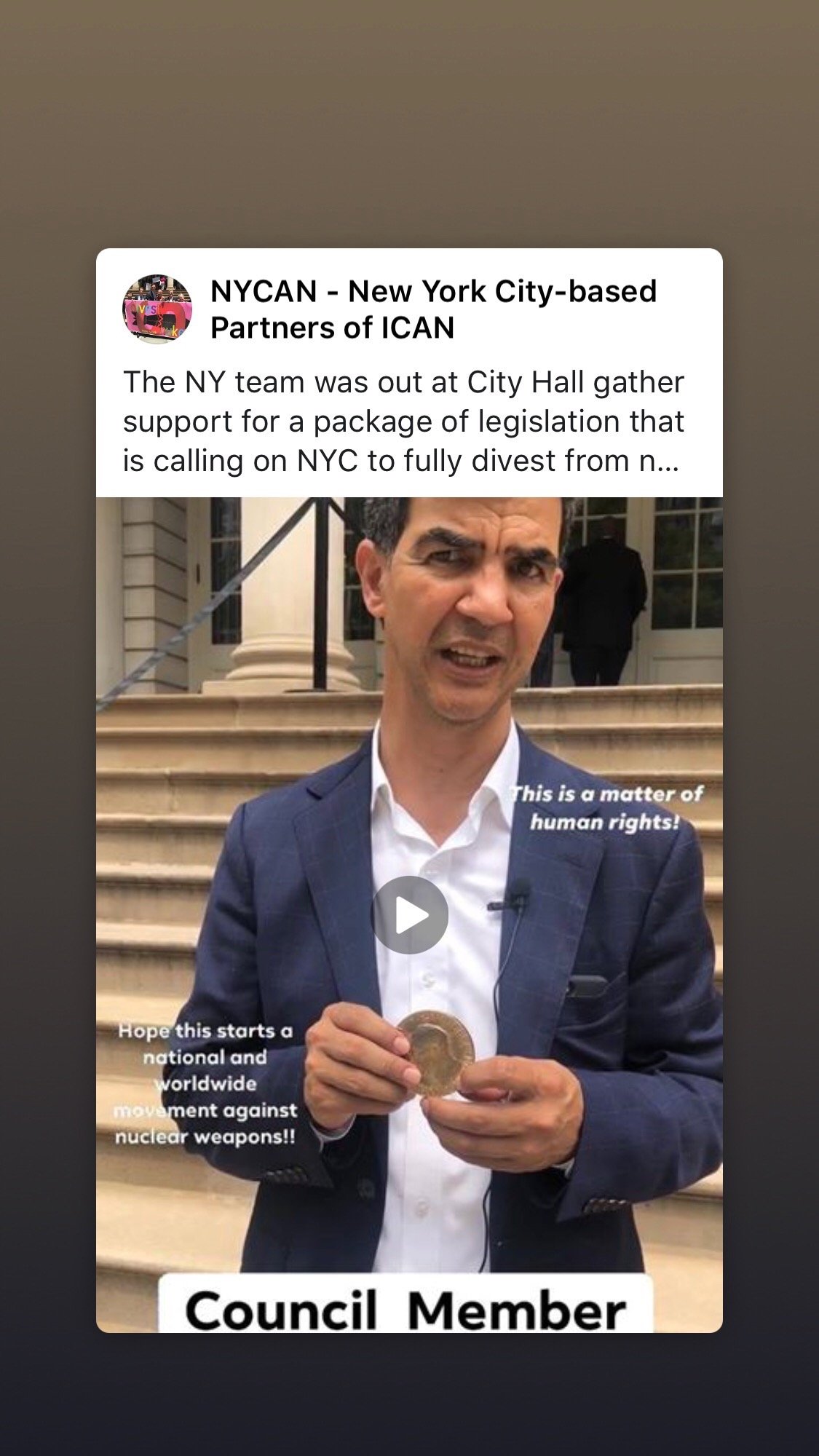
We launched our NYC Divest campaign on May 19, 2018 when Youth Arts New York founder Robert Croonquist organized a Nuclear Guardianship Teach-In with the Hudson River Clearwater Sloop on the Mystic Whaler. Sixty New York City-based artists, educators, and activists learned about the effects of the production of nuclear weapons and nuclear power on the environment, heard testimony from second-generation hibakusha (atomic bomb survivor), and learned about the TPNW.
-
July 18, 2018, Council Member Danny Dromm sent a Dear Colleague letter to all New York City Council Members requesting their signatures on “a letter to NYC Comptroller Scott Stringer urging him to divest New York City’s pension funds and finances from banks, financial institutions, and corporations that profit from nuclear weapons production.” Requesting City Council’s support, he wrote; “I hope you can join me in aligning our city’s financial power with our progressive values.” Thirty-two Council Members co-signed the letter to Comptroller Stringer, including Council Speaker Corey Johnson.
-
Summer/Autumn 2018, NYCAN members lobbied our elected representatives to join CM Dromm’s effort and helped draft the legislation.
-
January 2019, we produced a report for the Comptroller Scott Stringer and over the next 4 months met directly with his staff, who showed a willingness to engage in our divestment campaign. You can find our report here.
In 2019 we helped to finalize CM Dromm’s legislation and achieved the following:
-
Res. 976 advises the New York City Comptroller to instruct the pension funds of public employees in New York City to divest from and avoid any financial exposure to companies involved in the production and maintenance of nuclear weapons, reaffirms New York City as a Nuclear Weapons Free Zone and, in supporting the TPNW, calls on the US Government to sign and ratify the Treaty.
-
Int. 1621 establishes a New York City Nuclear Disarmament and Nuclear Weapons Free Zone Advisory Committee to “examine nuclear disarmament and issues related to recognizing and reaffirming New York City as a nuclear weapons-free zone.” The Committee will “conduct a comprehensive review of New York City’s current stance on nuclear weapons,” submitting an annual report for five years including “findings and conclusions and any recommendations for policy or legislation.” The Committee can also “host discussions, public programs and other educational initiatives.”
-
In the first half of 2019, we lobbied our Council Members to co-sponsor the legislation, achieving a supermajority in support of Res. 976 and Int. 1621.
-
In 2019, our team member Dr. Matthew Bolton of Pace University authored two reports to significantly lift our work and offer compelling arguments for divestment, while acknowledging the role New York City played in developing the world’s first nuclear weapons. We presented this research to all co-sponsors, including Speaker Johnson. They are:
From Manhattan Project to Nuclear Free: New York City’s Policy and Practice on Nuclear Weapons
Nuclear Weapons are Risky Business: Divestment as Financial Prudence
Throughout 2020 we engaged in the following:
-
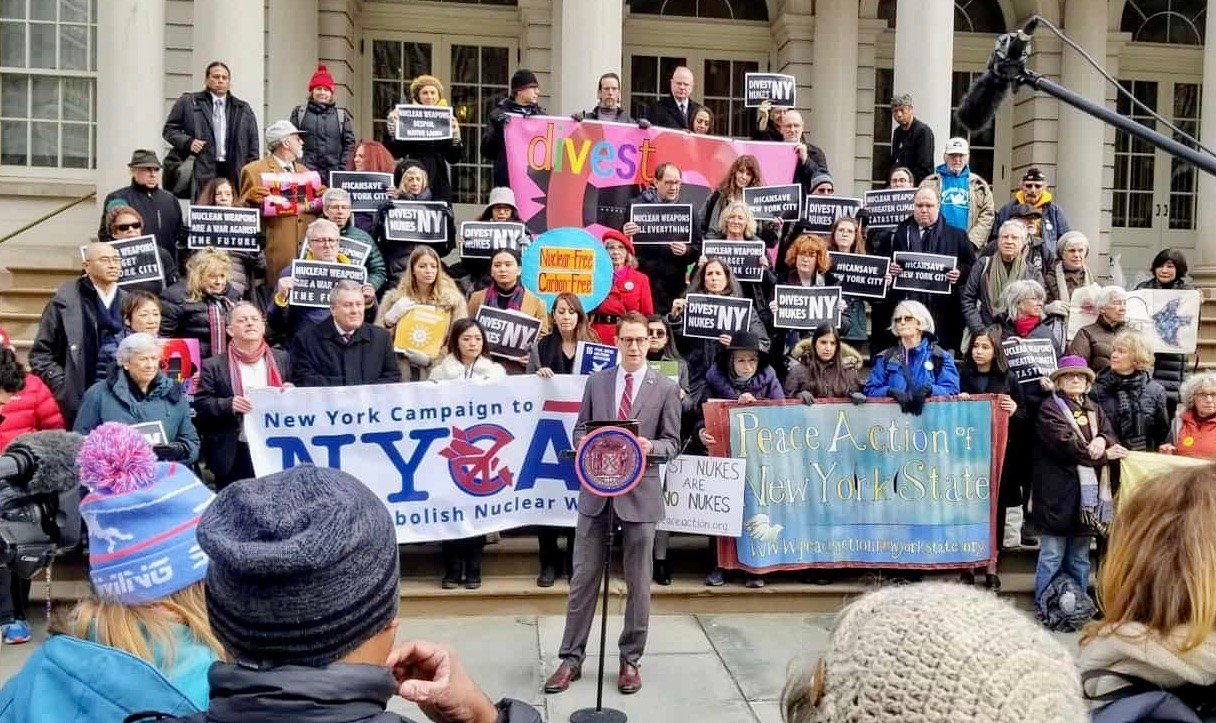
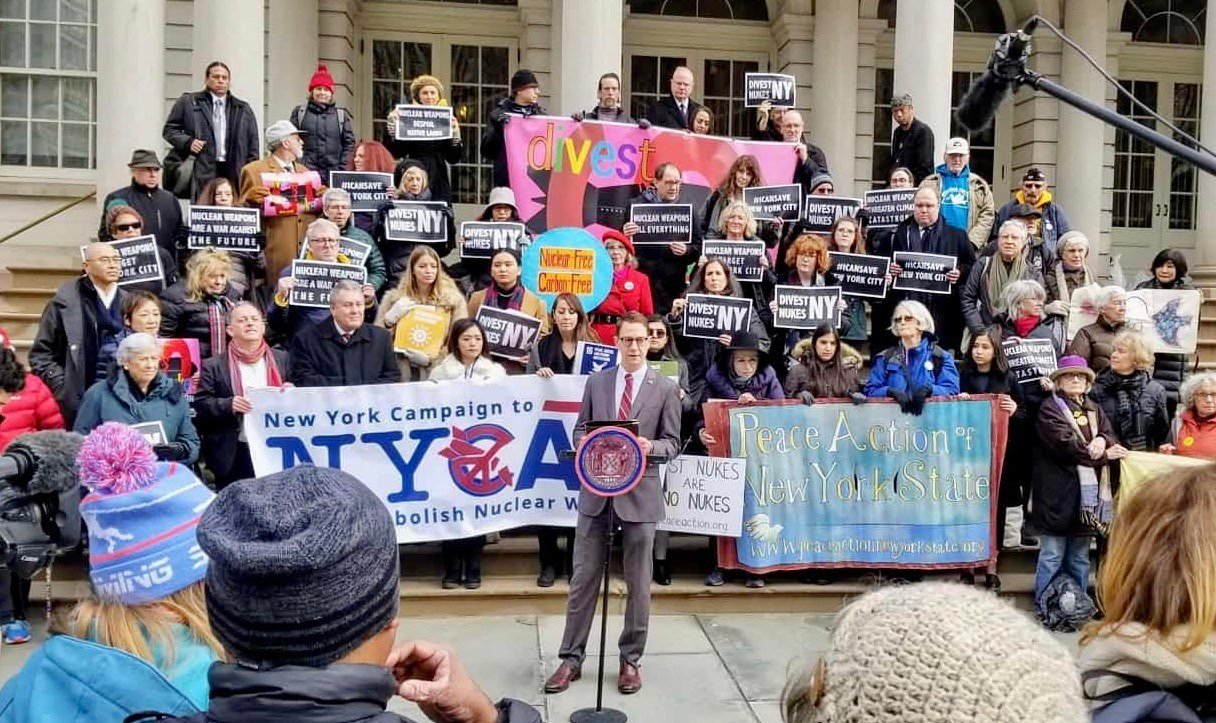
On January 28, 2020, Council Members Danny Dromm and Fernando Cabrera held a hearing for our legislation at City Hall. Well over 400 pages of written testimony were submitted to the public record and more than 60 people spoke in person, in support of the legislation. Our team coordinated testimony, both written and oral, of over 60 community activists, scientists, medical professionals, religious leaders, Indigenous representatives, financial experts, and members of the military, unions and NYC municipal pension holders. Transcripts of the hearing can be found here.
-
Our activities in 2020 focused on bringing the legislation to the floor for a vote. Out of respect for the deep pain and hardship caused by the on-going pandemic, which also tragically affected members of our team who lost family and friends to COVID-19, we waited for City Council to re-group and re-establish online. Understanding that City Council was moving on to non-COVID related legislation, we revved up our advocacy once again.
-
July 30, 2020, we issued a letter to the legislation’s co-sponsors, announcing an action at City Hall on August 6, marking the 75th anniversary of the atomic bombing of Hiroshima — asking for the legislation to be introduced during the stated meeting to honor all those who lost their lives in Hiroshima and Nagasaki massacres and the years that followed due to radiation induced illness.
-
“The time to pass this legislation is now. Today the spectre of nuclear warfare is scarier than ever. The Doomsday Clock now stands at 100 seconds to midnight, the closest the world has ever been to nuclear Armageddon in the 75 years of the atomic age. As the Trump Administration dismantles age-old nuclear arms control agreements and authorizes building new nuclear weapons, it is up to NYC and other local governments to take action. Resolution 976 calls for divestment of the city’s $475 million investment in nuclear weapons. Though this represents just 0.25% of the System’s total assets, such action would go a long way towards the ultimate goal of nuclear disarmament. Introduction 1621 will create a nuclear disarmament advisory committee in NYC, ensuring that lawmakers are guided by leading nuclear disarmament advocates and other experts. Beyond divestment, my legislation will help launch a proactive effort to address the existential threat posed by nuclear weapons. I thank the NYC-based Nobel Peace Prize-winning advocates from the International Campaign to Abolish Nuclear (ICAN) for their steadfast dedication to this timely effort.”
The Treaty on the Prohibition of Nuclear Weapons enters into force
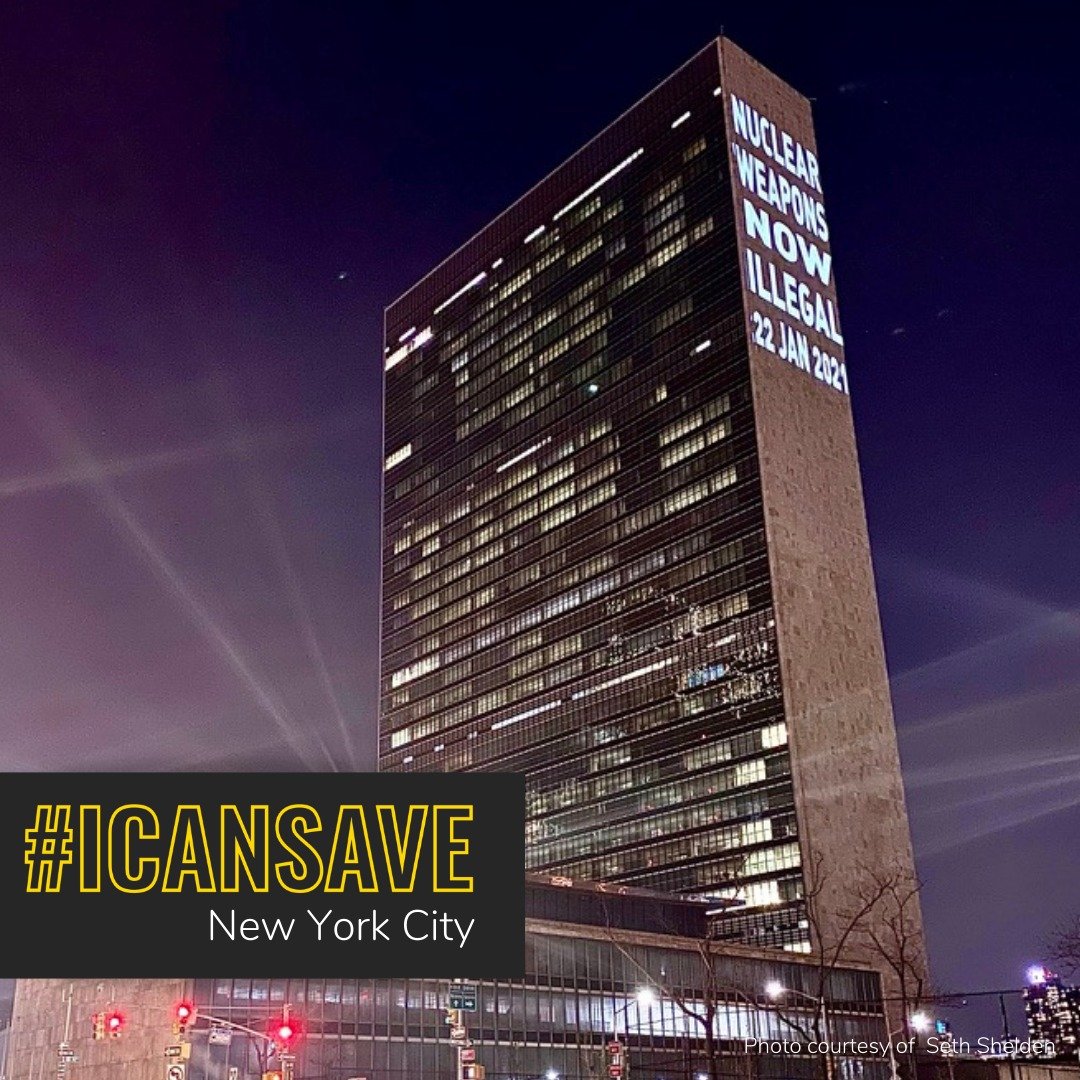
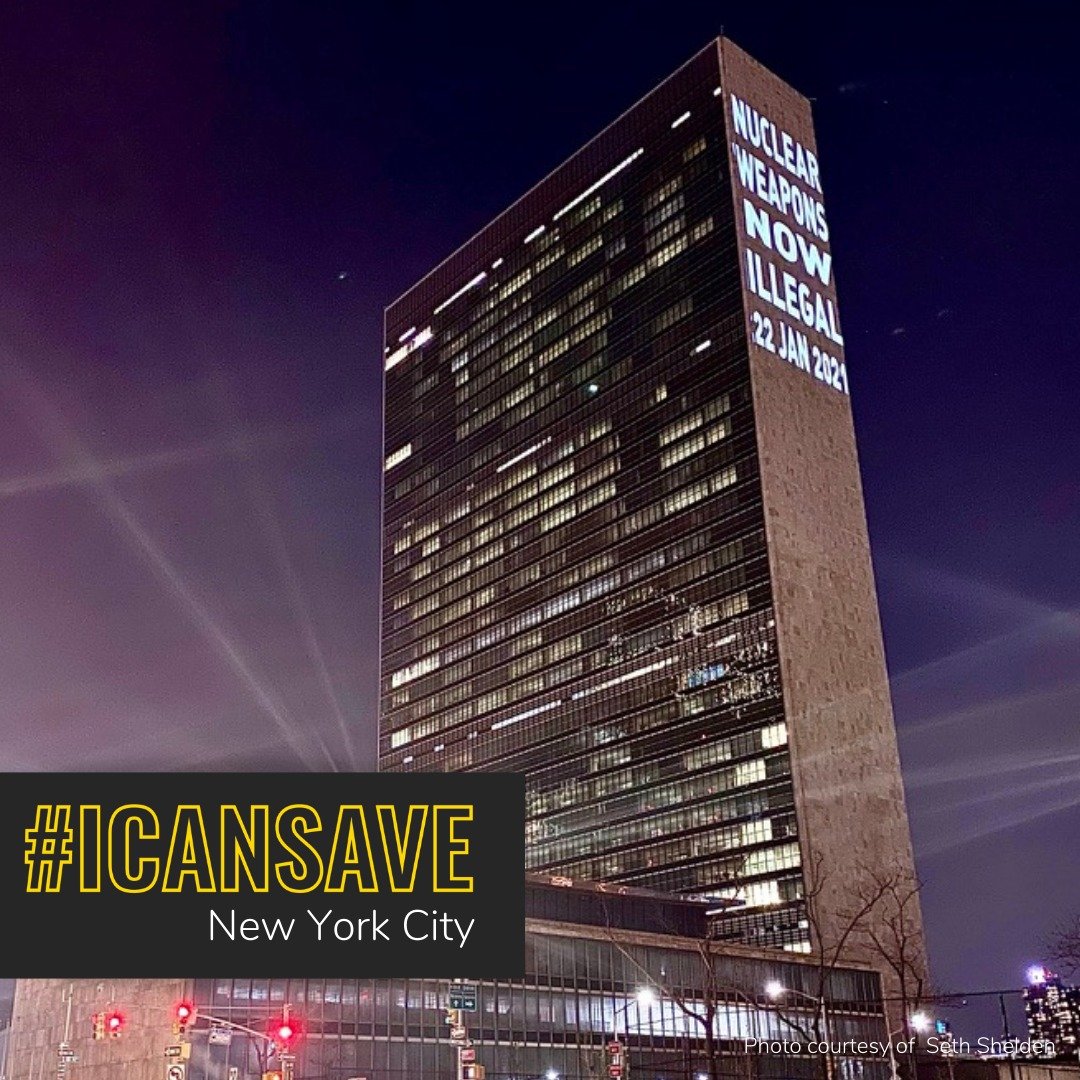
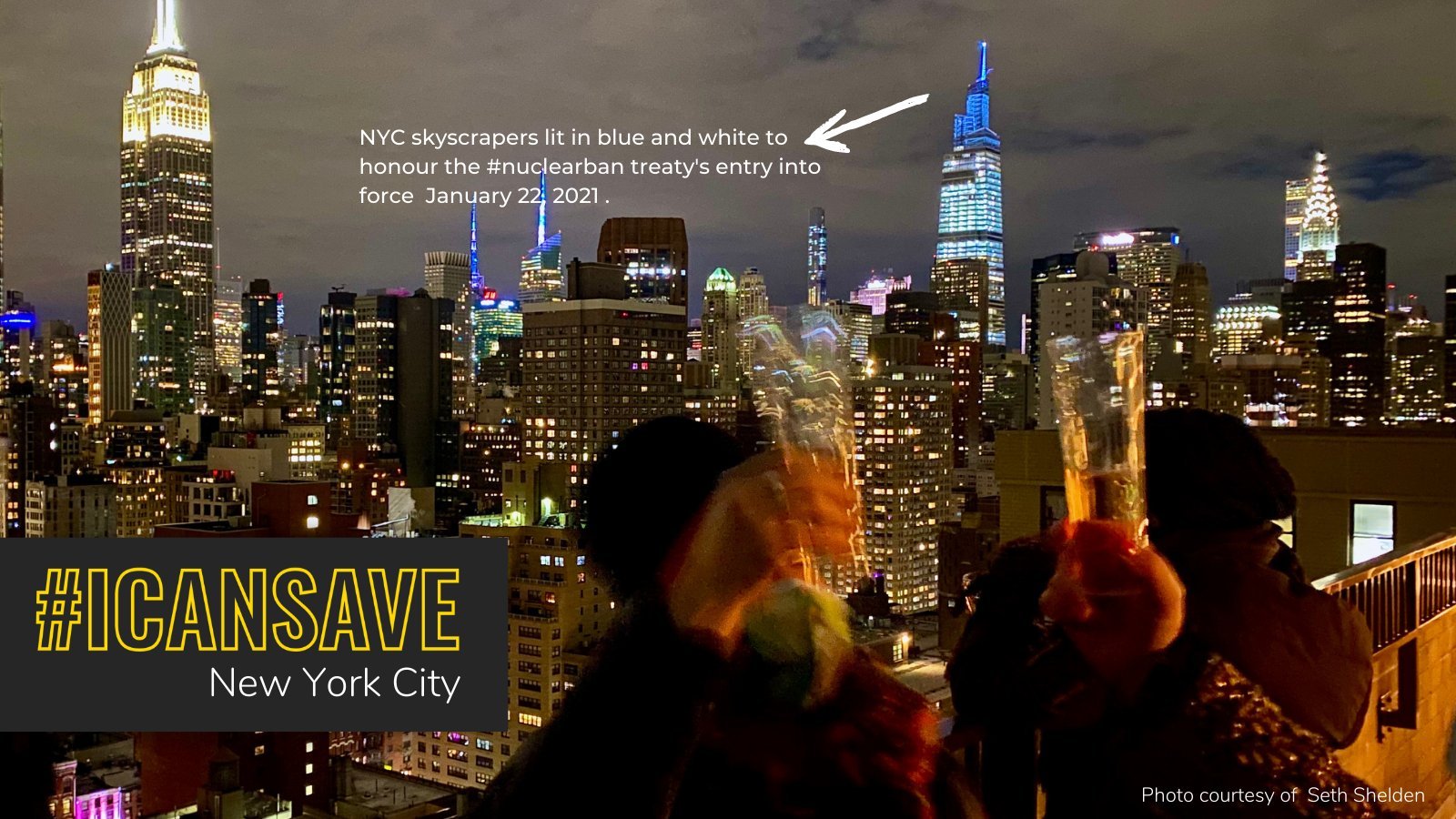
On January 22 2021, the Treaty on the Prohibition of Nuclear Weapons entered into force. NYCAN took to the streets in celebration. Together with Rise and Resist, in collaboration with The Illuminator, NYCAN illuminated the south wall of the iconic United Nations Secretariat Building. The illuminations, displayed in all six official languages of the United Nations and Japanese read, “Nuclear Weapons/Always Immoral/Now Illegal”, referencing a July 7, 2017 speech given by Hiroshima survivor Setsuko Thurlow who said at the UN upon the adoption of the Treaty, “Nuclear Weapons have always been immoral. Now they are also illegal . . .This is the beginning of the end of nuclear weapons.”
The Treaty on the Prohibition of Nuclear Weapons comprehensively and categorically bans nuclear weapons and associated activities, including nuclear weapon use, threat of use, testing, development, production and possession. It establishes positive obligations to assist victims of nuclear weapons use, development and testing and to remediate contaminated environments and recognizes the importance of peace and disarmament education. The TPNW explicitly frames nuclear weapons as “abhorrent to the principles of humanity”, contrary to international humanitarian law, as well as a threat to human rights, the environment and global economy. It also emphasizes the disproportionate impact of nuclear weapon use and testing on women and girls, and Indigenous People.
As the International Campaign to Abolish Nuclear Weapons (ICAN), 2017 Nobel Peace Laureate, works with nations to sign and ratify the Treaty, NYCAN used this historic opportunity to draw attention to our legislation, and remind New Yorkers of the daily risk we live with, as our beloved city is a prime target for nuclear weapon use by accident or by design.
Adoption of our legislation for nuclear disarmament
The legislation languished in Committee throughout 2021, while NYC, like so many cities, struggled to manage the effects of the COVID-19 pandemic. But NYCAN continued to advocate, partnering with ICAN partner organizations and other NYC activists, including local direct action group Rise and Resist.
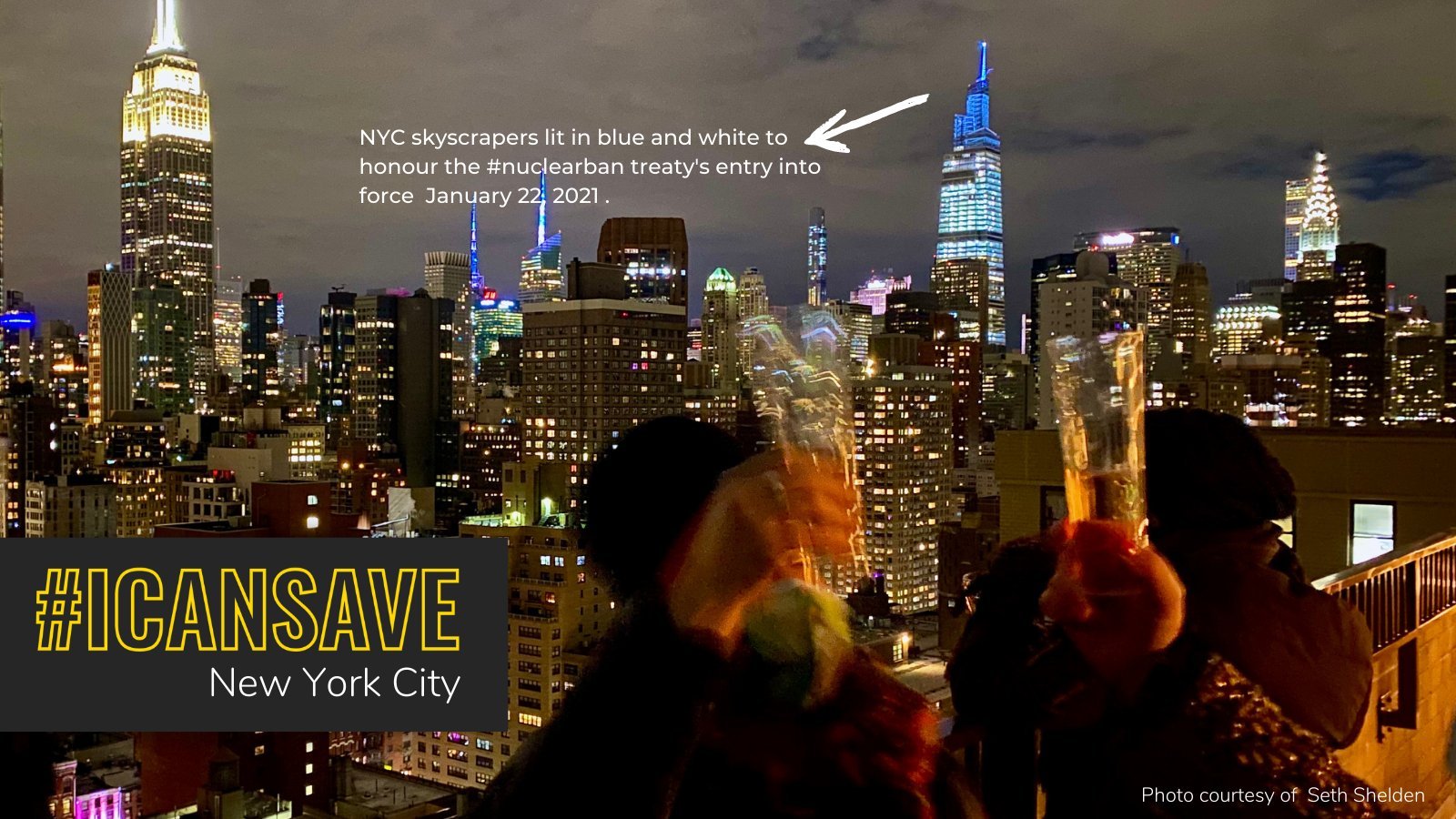
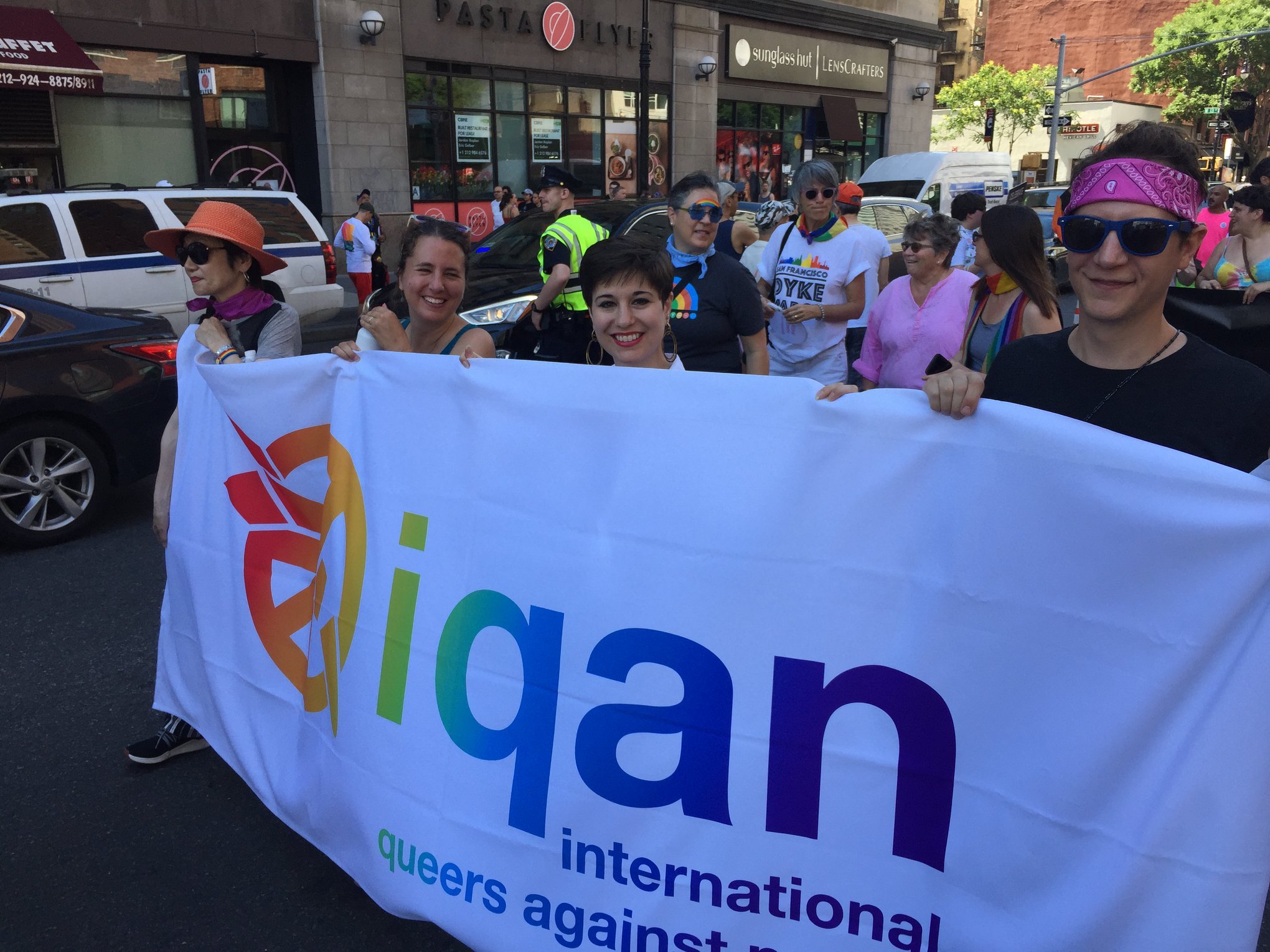
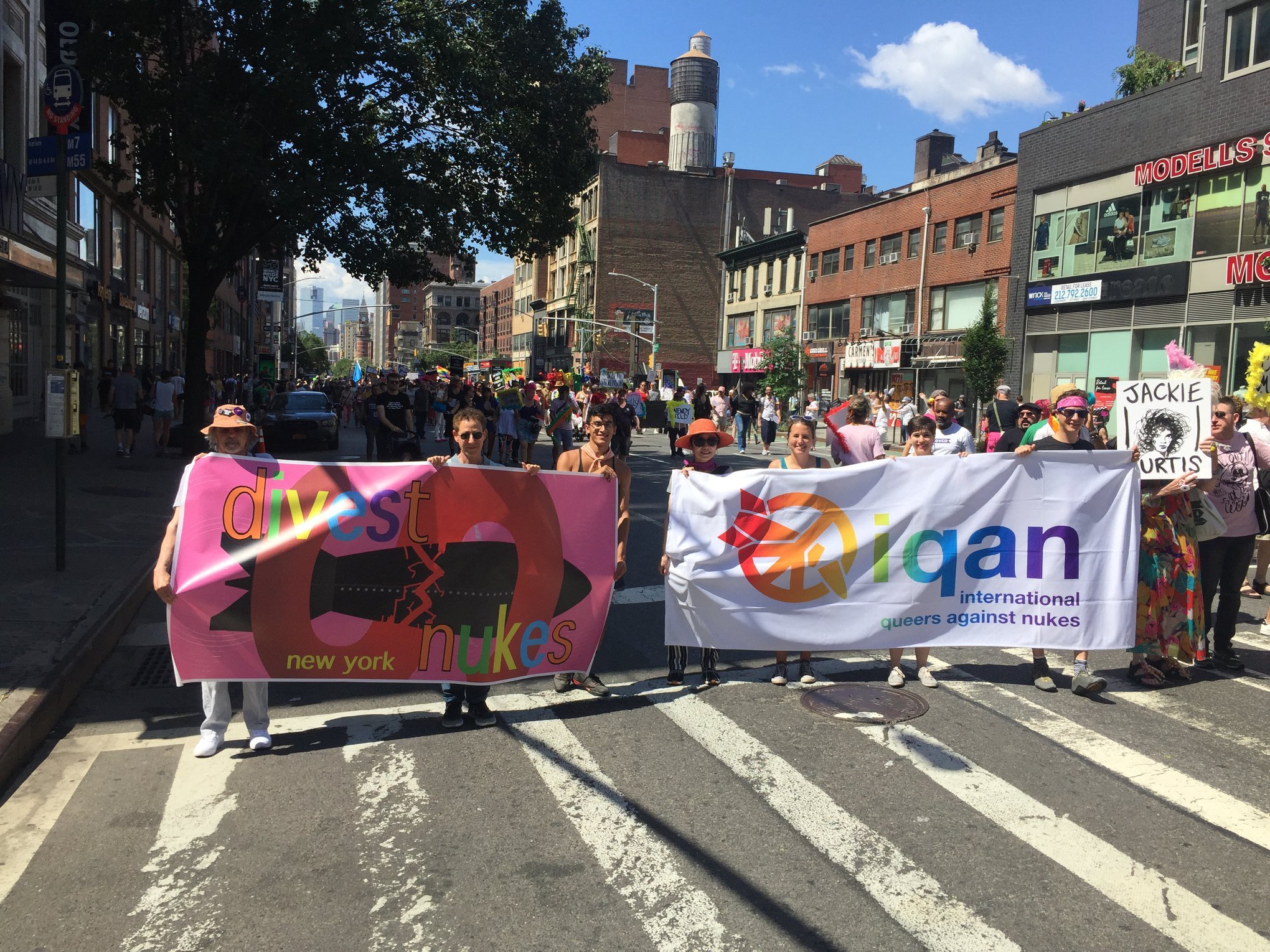
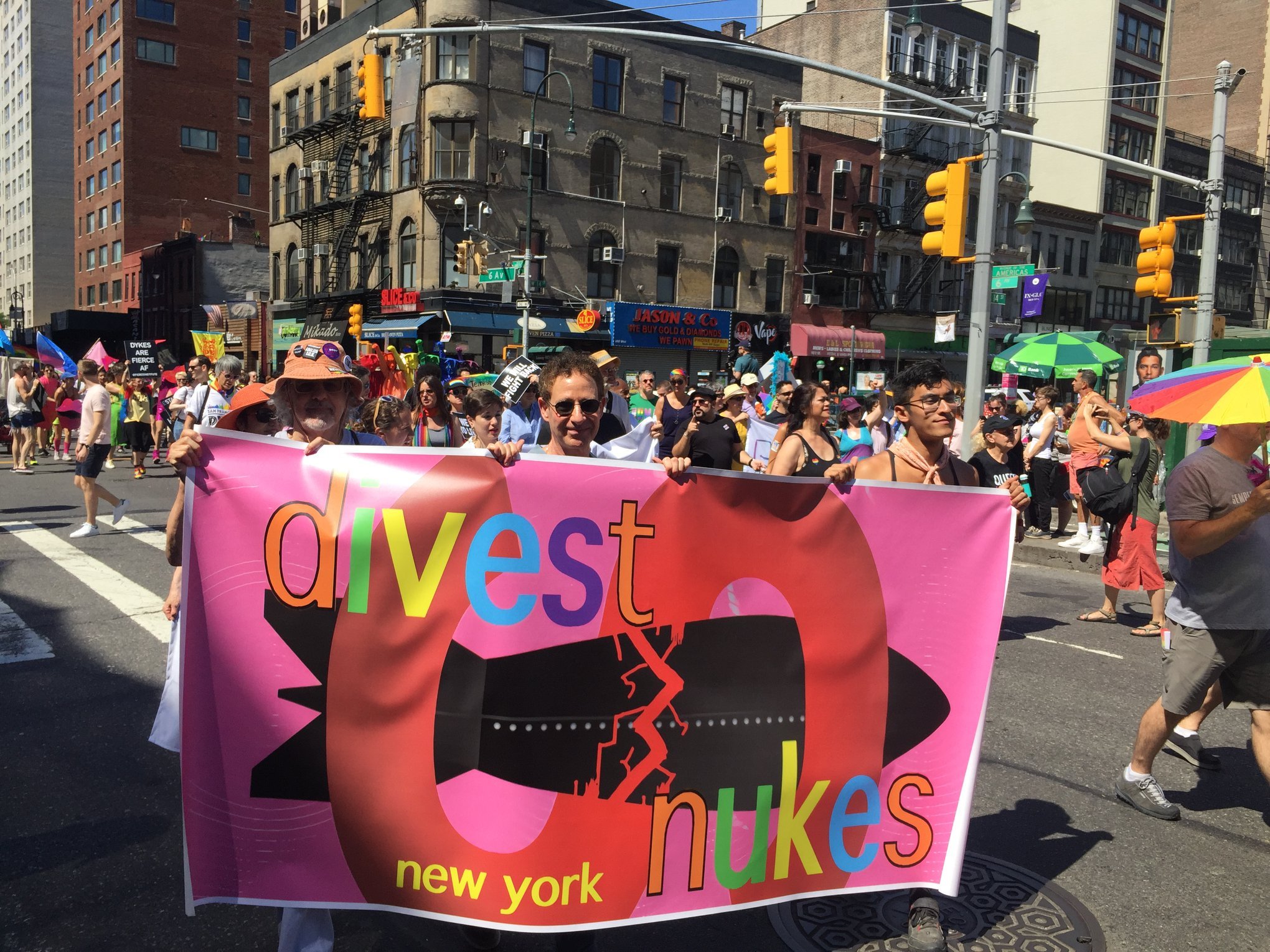
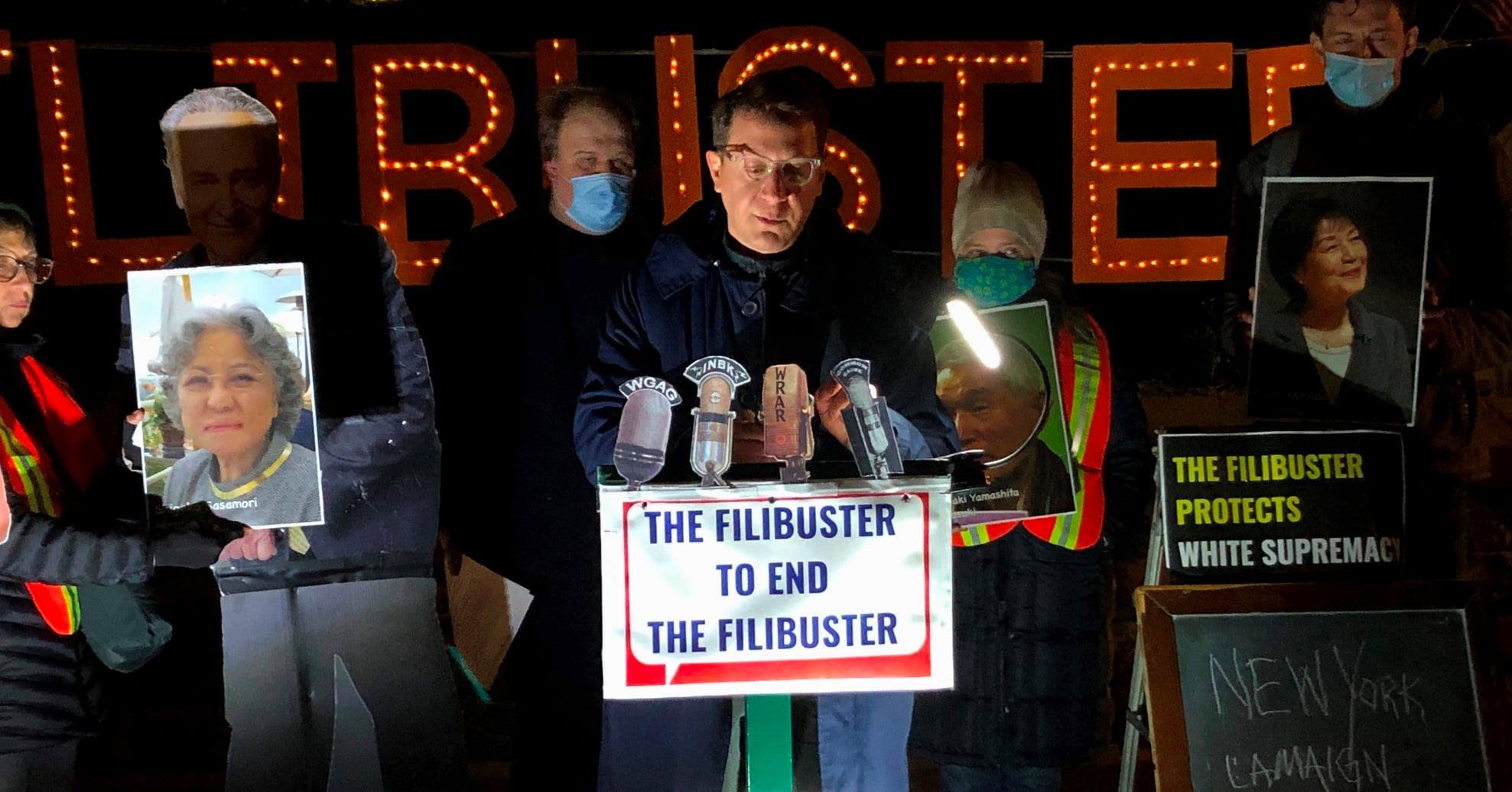
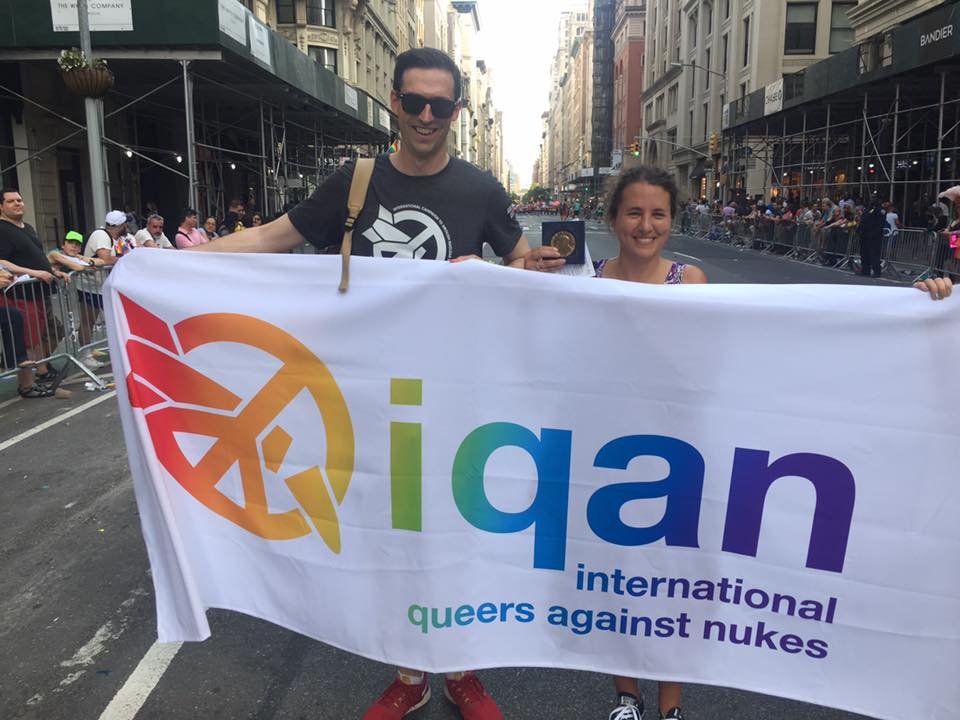
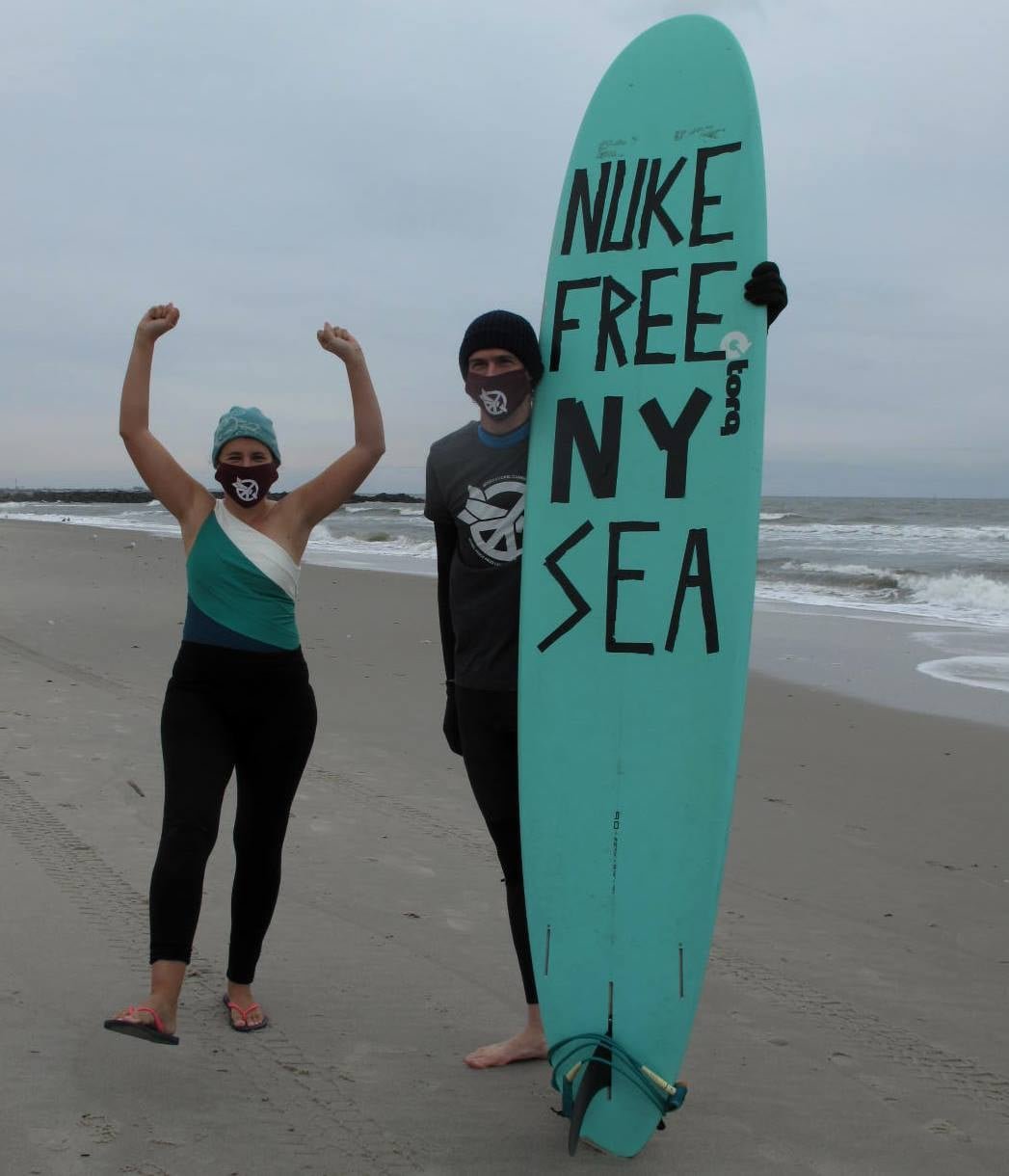
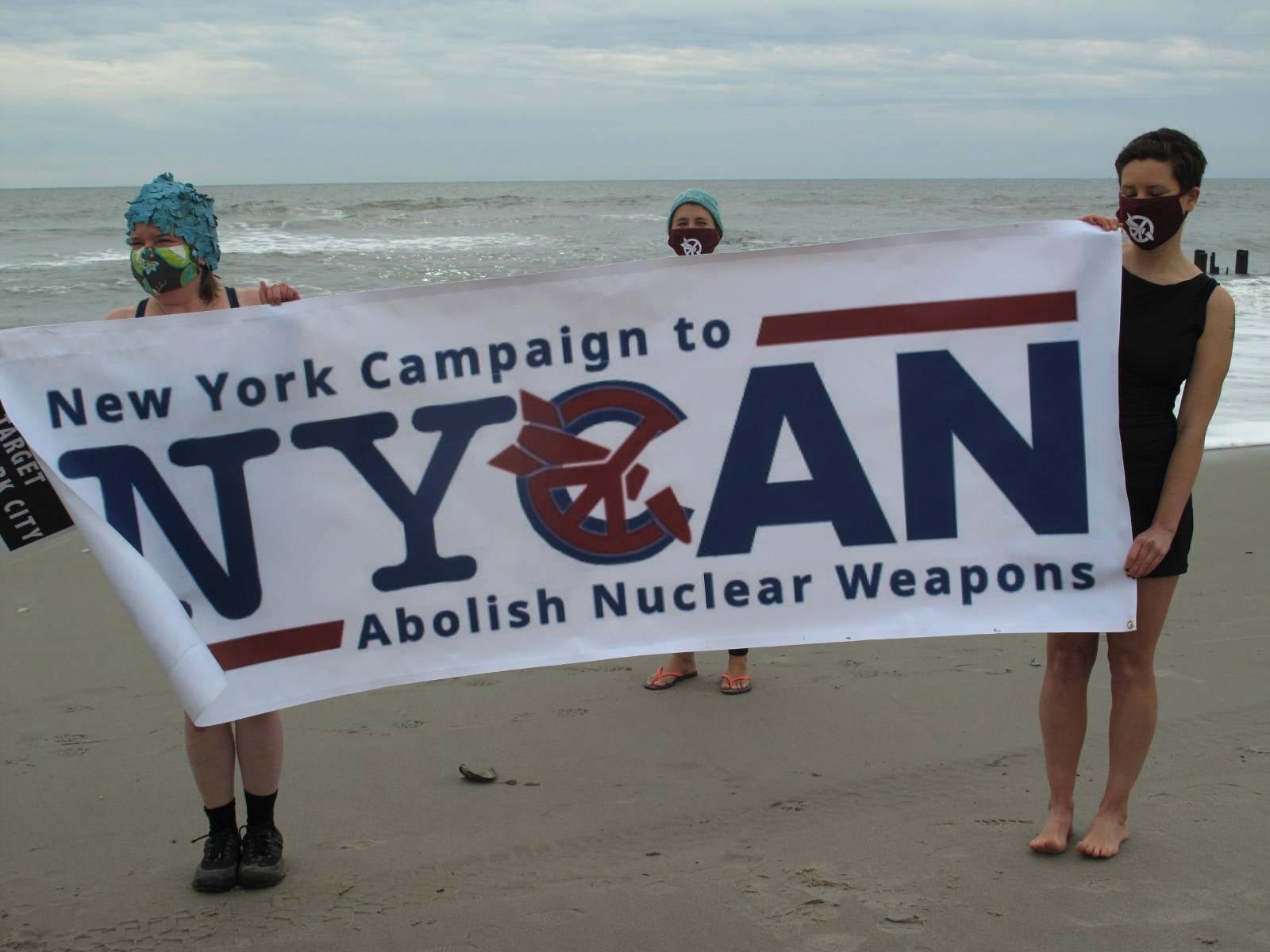
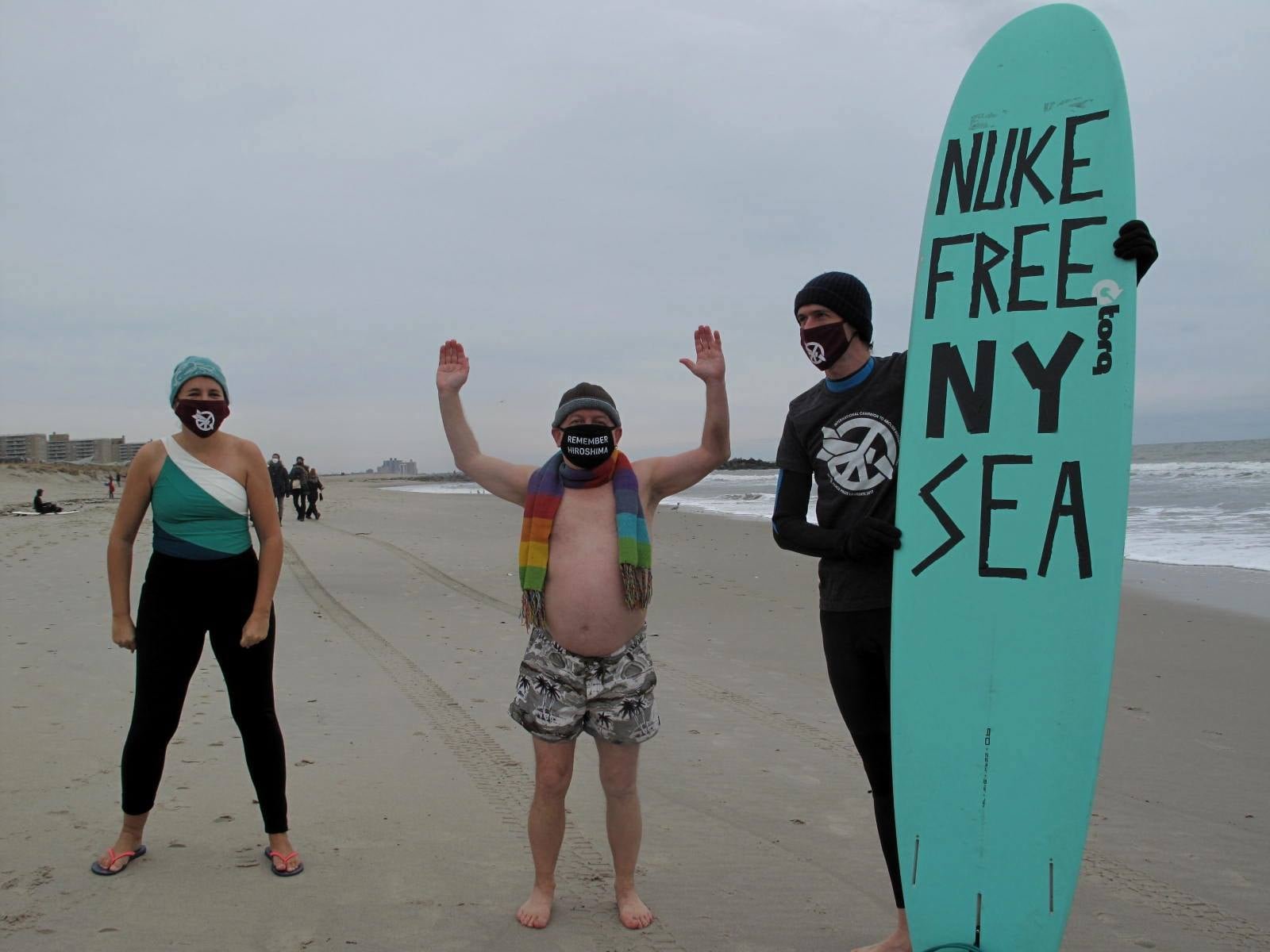
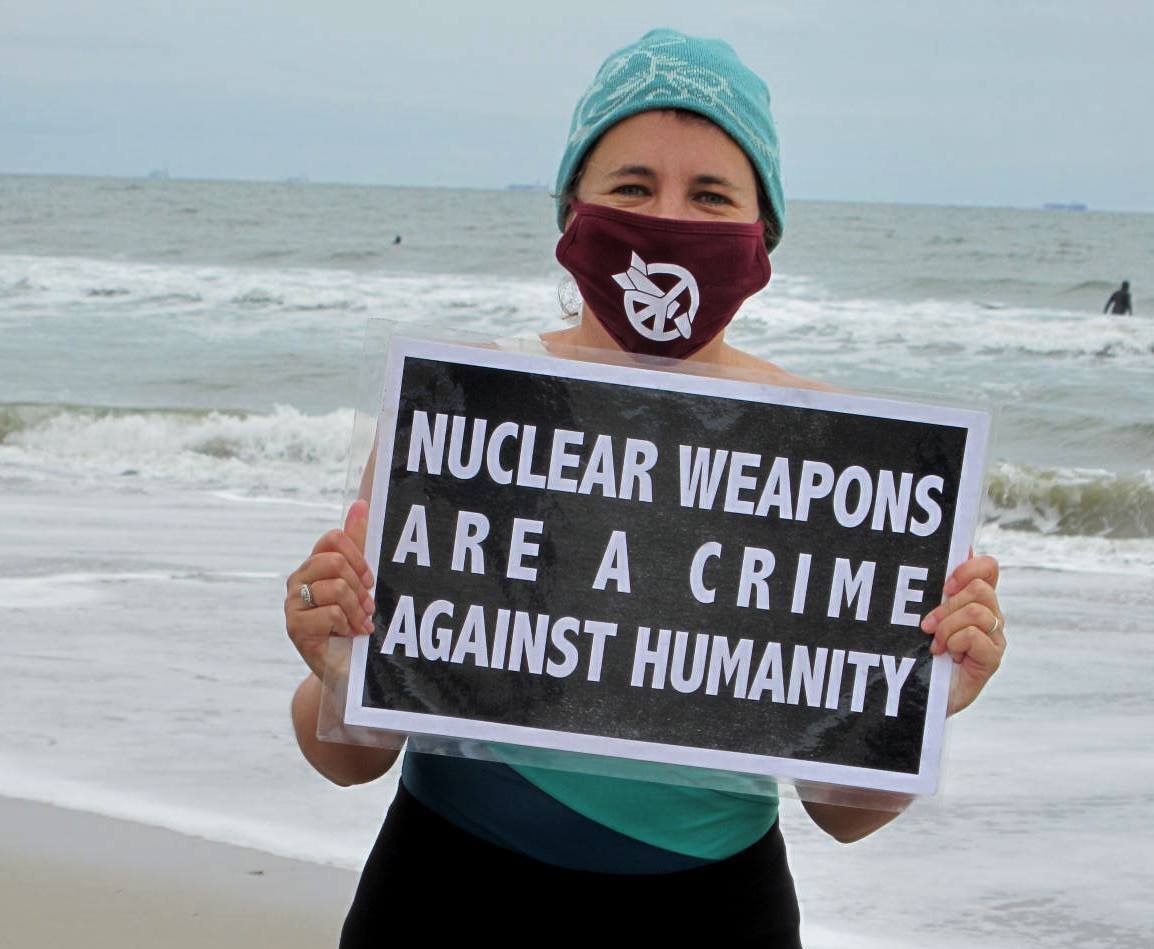
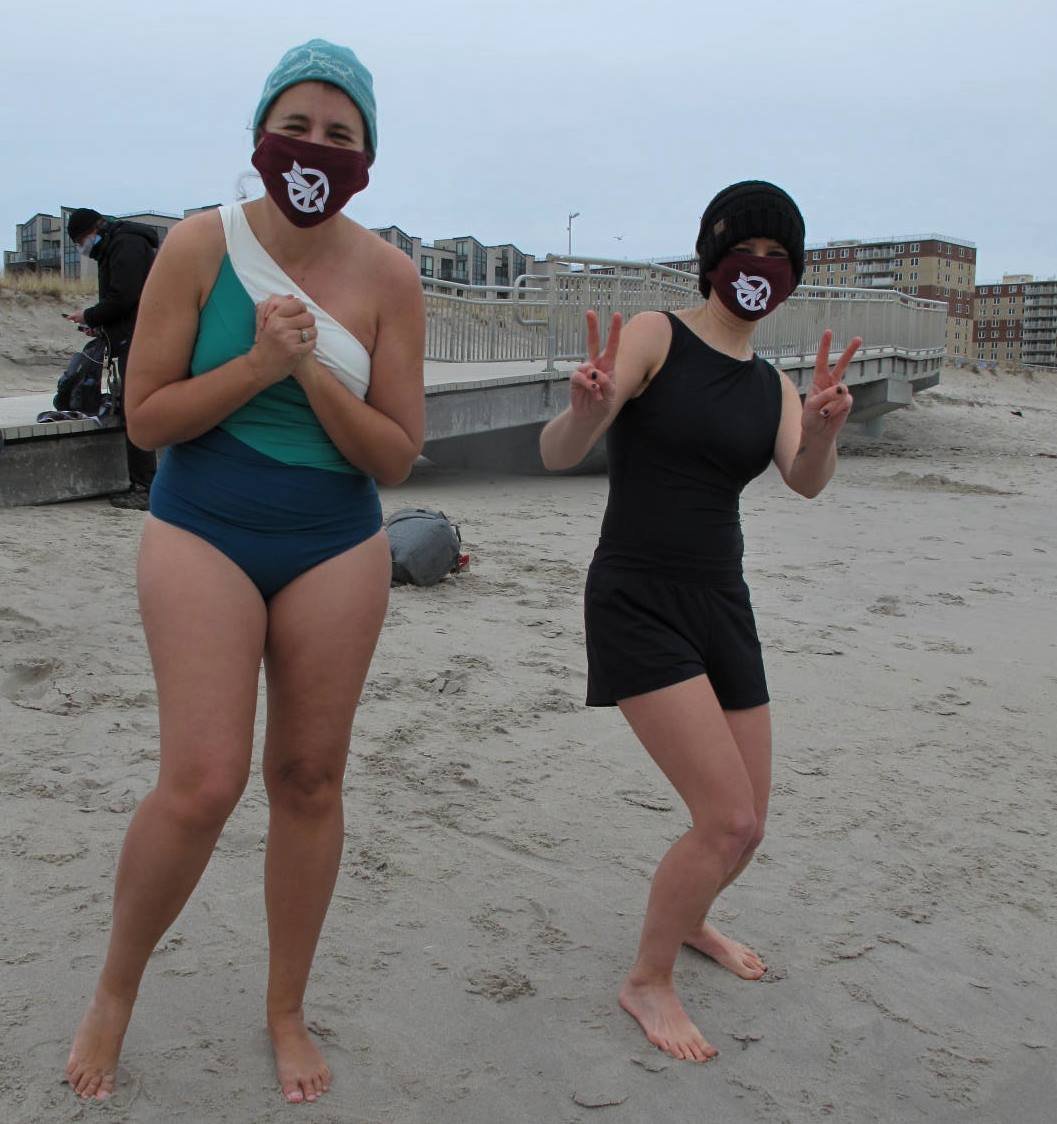
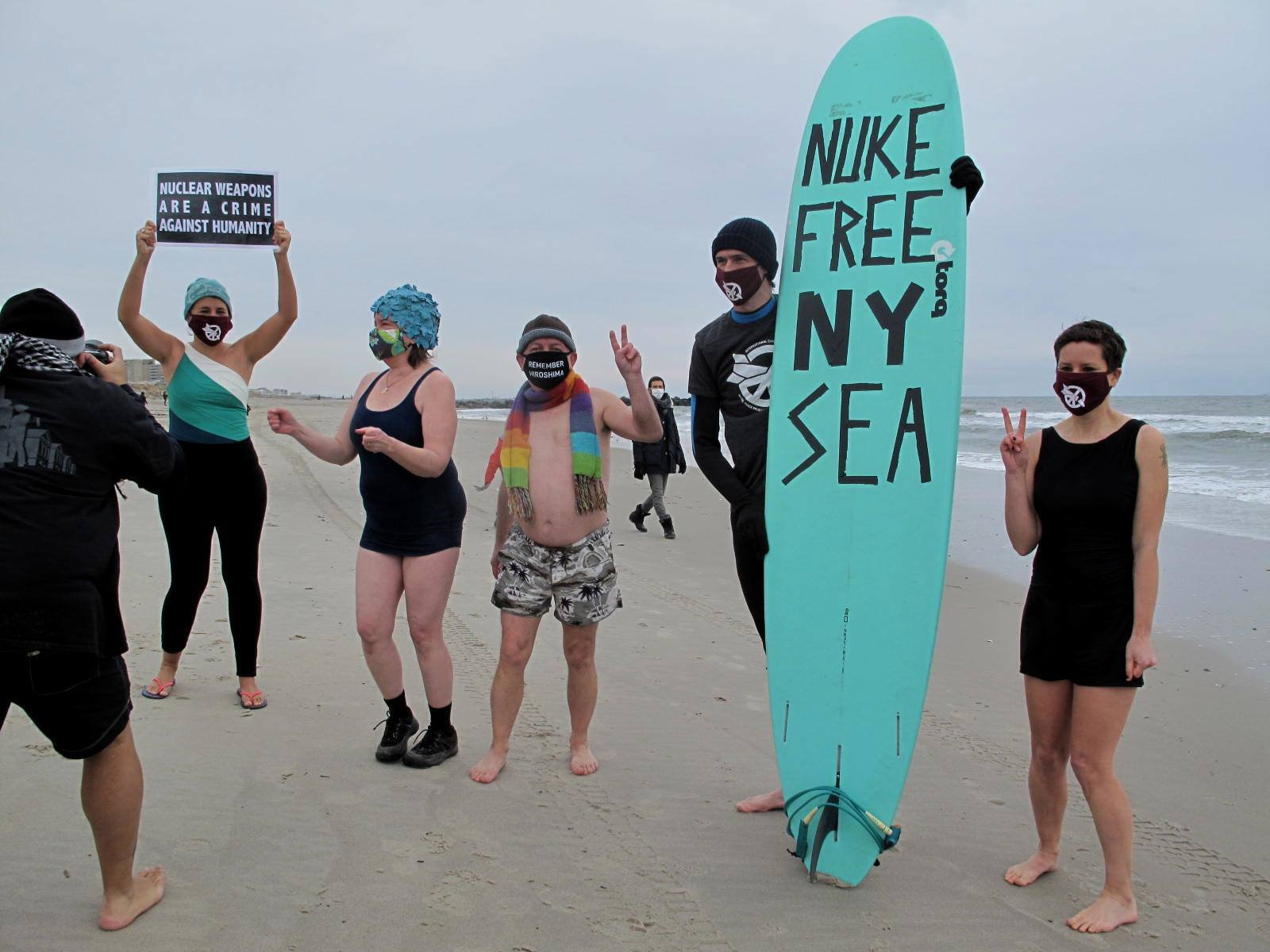
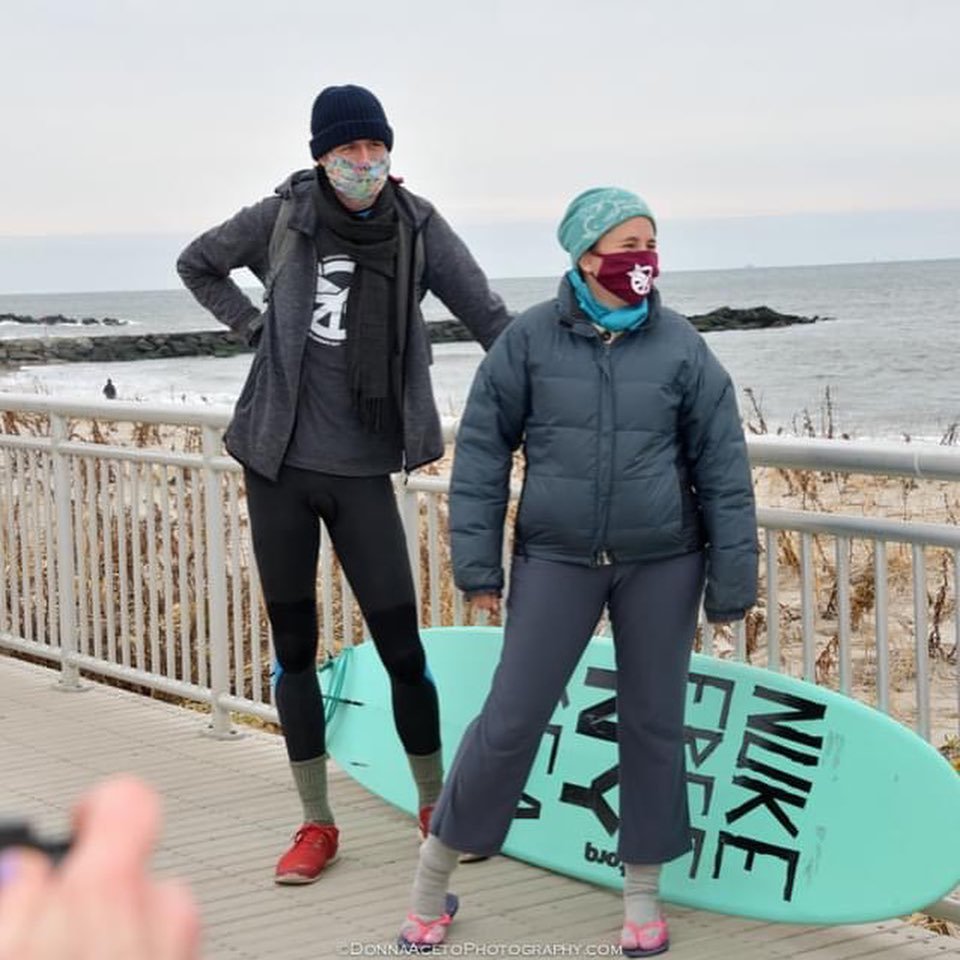
Actions in 2021 included a New Year’s Day polar plunge for nuclear disarmament in the icy cold Atlantic Ocean on Rockaway Beach, coordinating to light up NYC skyscrapers to mark the entry into force of the TPNW (as well as our hugely successful illuminations at the UN, see above), a Valentine’s Day event honoring who we love as our reason to work for nuclear abolition, marking the birthday of Bayard Rustin, an NYC Nuclear-Free Hero, marching in the annual Pride parade, and more.
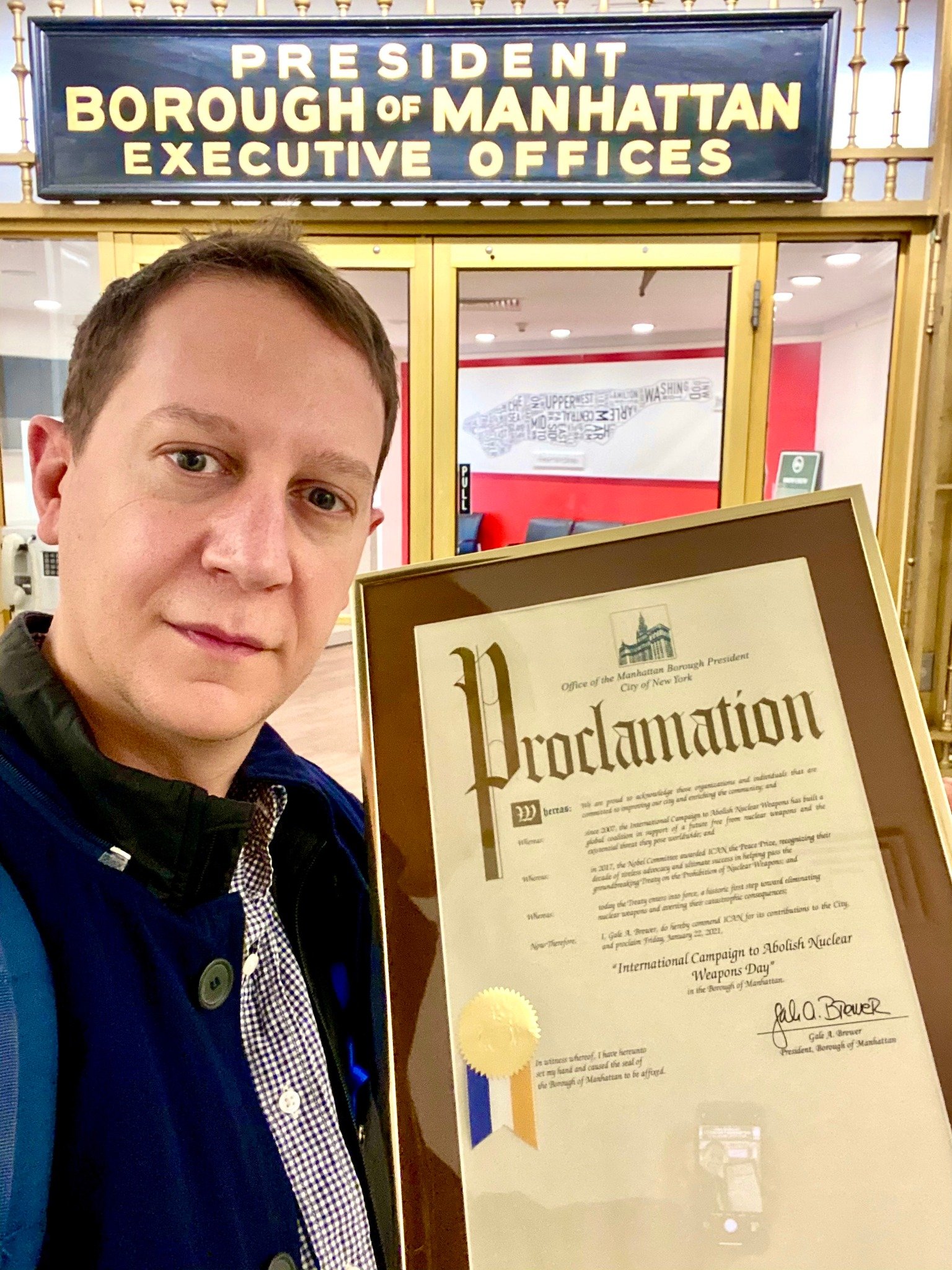
Along the way, NYCAN garnered the support from key New Yorkers, such as Mayor-elect Eric Adams (who as Brooklyn Borough President issued a Citation commending NYCAN for its work to advance this legislation), and Manhattan Borough President Gale Brewer (who issued a Proclamation proclaiming January 22nd as “International Campaign to Abolish Nuclear Weapons Day” in the Borough of Manhattan).
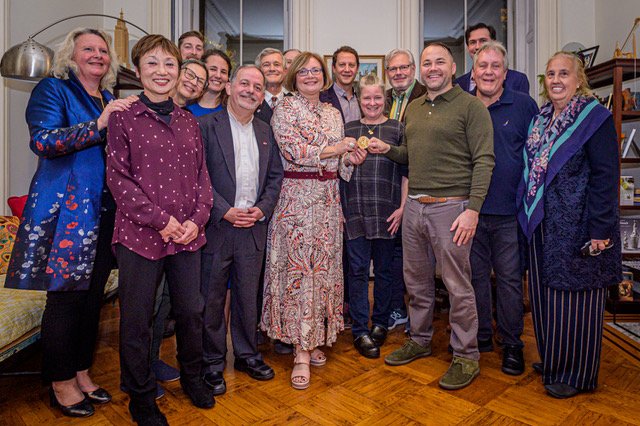
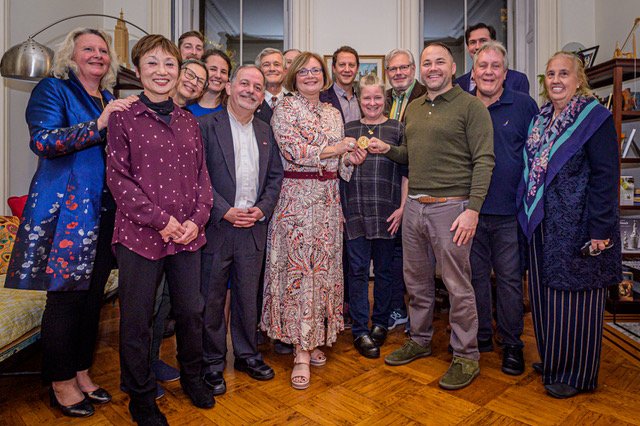
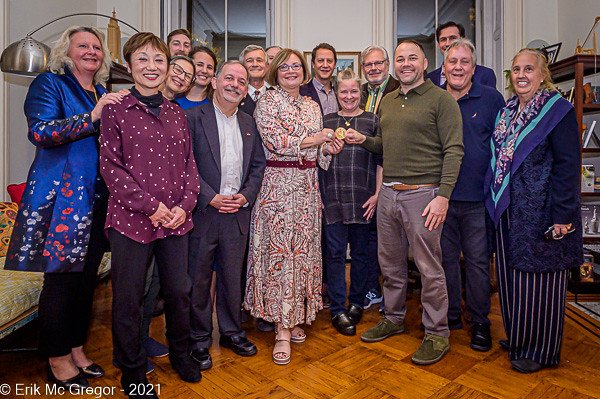
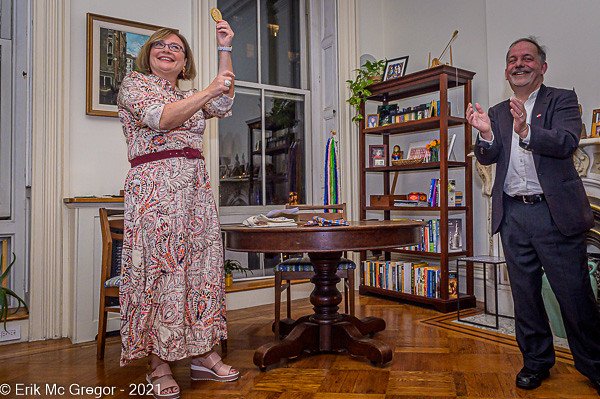
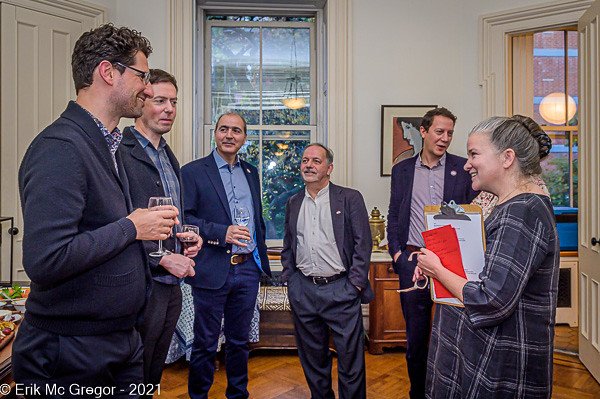
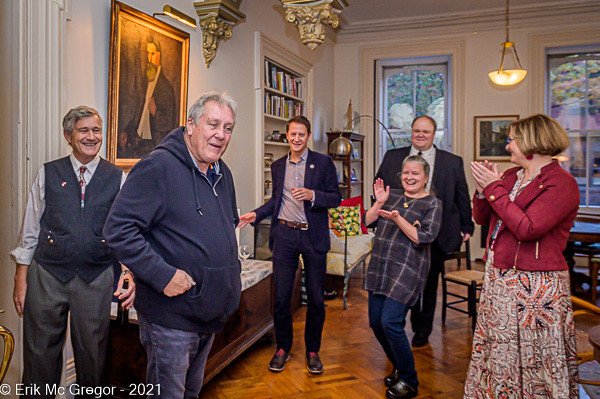
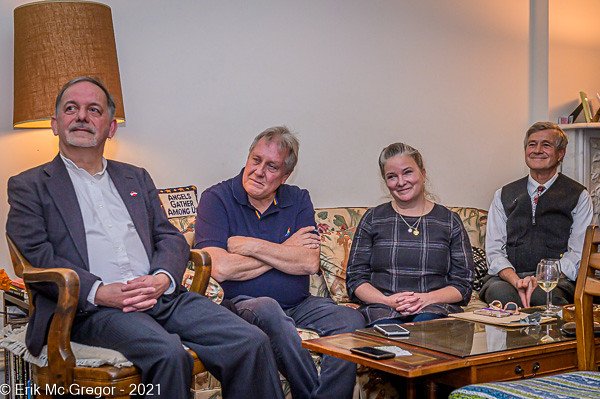
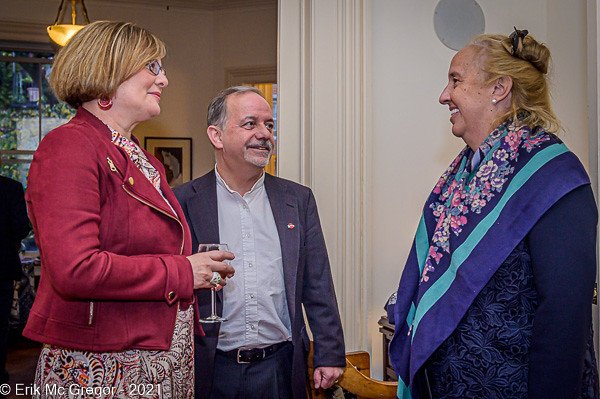
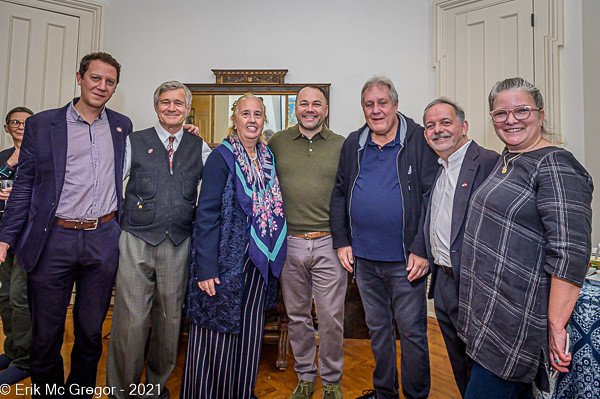
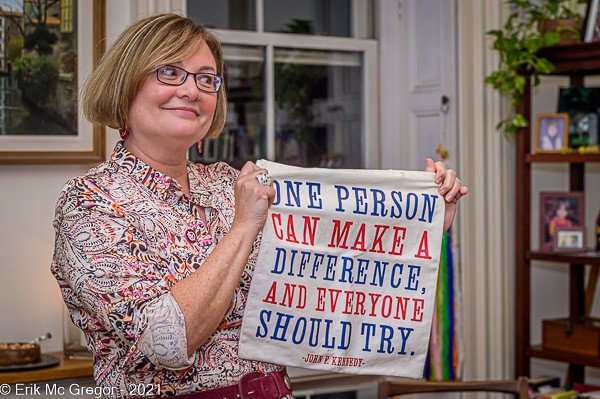
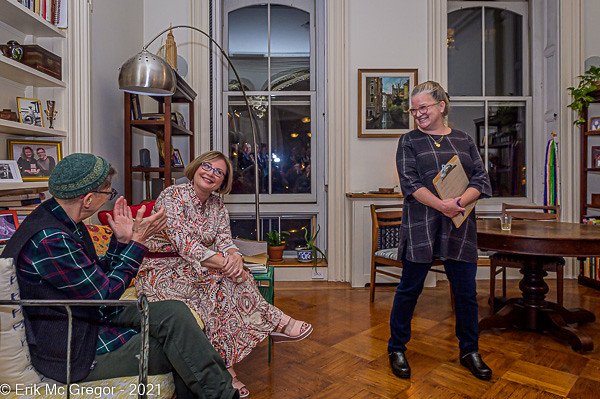
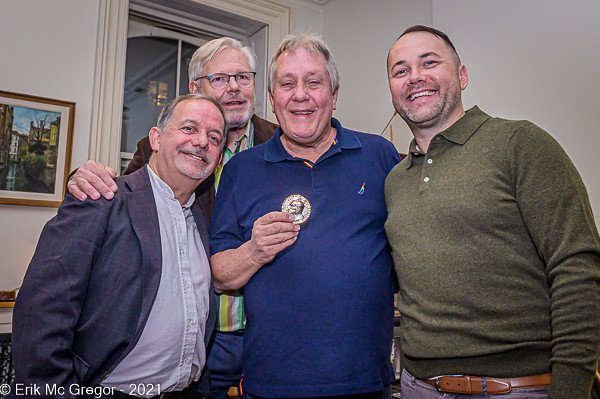
With only weeks remaining in the legislative session, in November 2021, City Council Speaker Corey Johnson agreed to join NYCAN at a small reception hosted by Kathleen Sullivan, Blaise Dupuy, and Brendan Fay, to honor Irish diplomat Helena Nolan, a key leader in the negotiation of the TPNW, for her new appointment as Irish Consul General in NYC. Affected by presentations made by NYCAN that night, including from Dr. Sullivan, Fay, Seth Shelden, and Mitchie Takeuchi, the Speaker stated that he would help ensure that our legislation would be adopted.
On December 9th 2021, Res. 976 and Int. 1621 was finally adopted by a super-majority of the City Council, stating that “New York City has a special responsibility, as a site of Manhattan Project activities and a nexus for financing of nuclear weapons, to express solidarity with all victims and communities harmed by nuclear weapons use, testing and related activities”.
With this meaningful action, NYC has created a powerful legislative model for other local governments. Today, NYC not only offers political support for the U.S. to join the TPNW, but also takes consequential steps to create a city and a world safe from the threat of these life ending instruments of genocide.



Setsuko Thurlow, an atomic bomb survivor who accepted ICAN’s Nobel Peace Prize has met thousands of NYC youth through the Hibakusha Stories initiative of Youth Arts New York. Hearing that Council Member Dromm’s legislation passed, she said:
“Listening to my personal story, as a 13-year-old schoolgirl who survived the indiscriminate massacre that destroyed my beloved Hiroshima, the youth of New York City understand that humanity and nuclear weapons cannot co-exist. I'm therefore thrilled to hear about City Council's comprehensive legislation that divests from nuclear weapon producers and creates community engagement to take action for disarmament. I hope such local laws will be replicated around the world.”